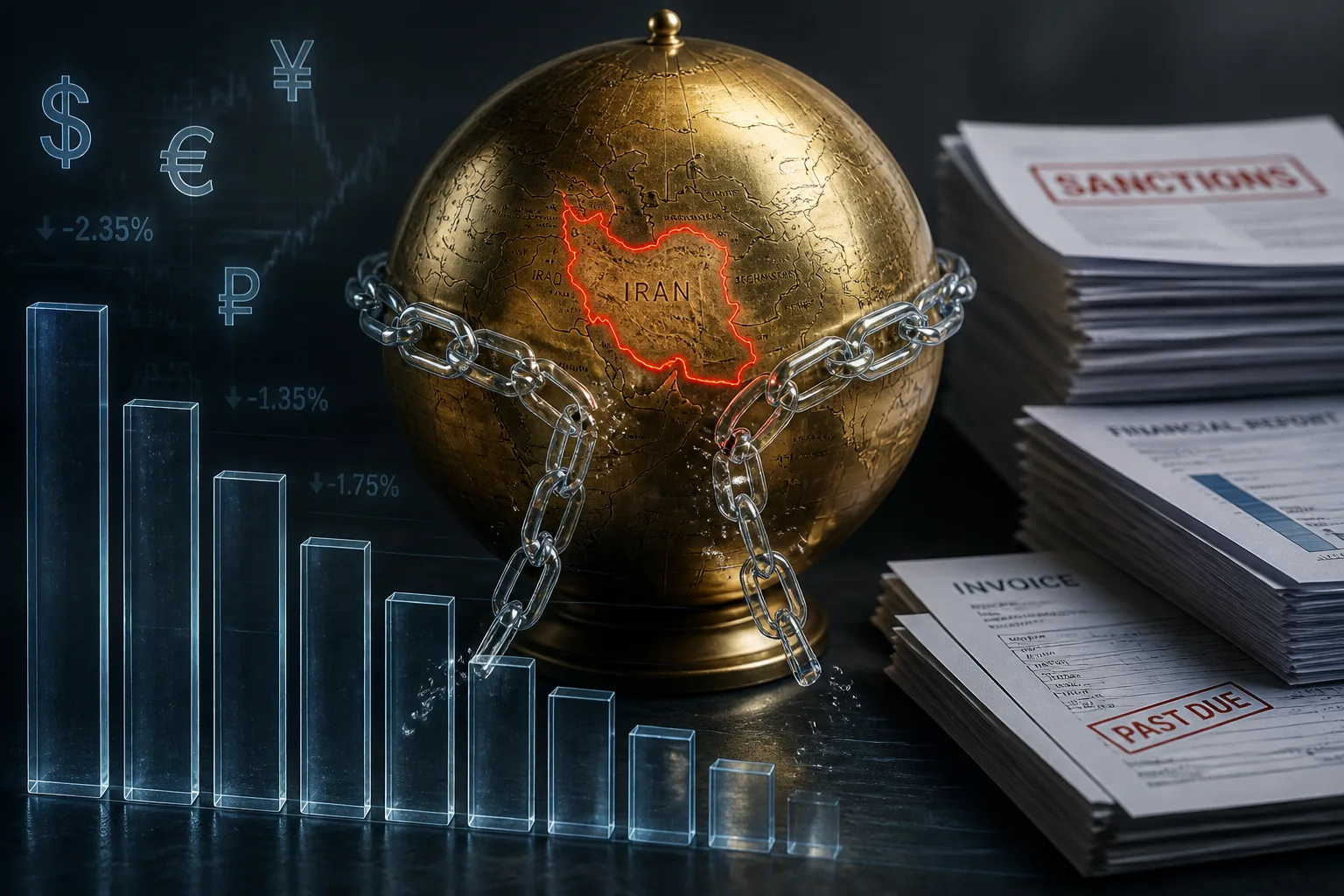
EU and U.S. Intensify Economic Pressure on Iran with Operation Economic Outcast
On 24 August 2026, the United States Treasury unveiled Operation Economic Outcast, a sweeping sanctions package aimed at strangling the Islamic Republic of Iran. The initiative follows a series of U.S. and Israeli strikes that began in February 2026 and the ceasefire that ended hostilities in April. Treasury Secretary Scott Bessent described the move as “the single greatest financial offensive ever marshalled against an adversary” and “the toughest sanctions in history.” The package expands existing U.S. restrictions and introduces secondary sanctions that target any foreign entity providing goods, services or financing to the Iranian regime.
The European Union has joined the effort. On 30 July 2026, the EU Council adopted Regulation (EU) 2026/1867, amending Regulation (EU) No 267/2012. The new measure widens the EU’s sanctions regime to cover additional components and technologies used in Iran’s military and intelligence activities, and bars the export, sale, transfer or supply of such items from the EU to Iran. The regulation, which remains in force until 27 July 2026, also sanctions six individuals linked to serious human‑rights violations in Iran.
The combined U.S.–EU package is part of a broader strategy to pressure Iran after the 2026 Iran war. That conflict erupted when U.S. and Israeli forces struck Iran’s nuclear and ballistic missile infrastructure, including the killing of Supreme Leader Ali Khamenei. Iran retaliated by closing the Strait of Hormuz and launching missile strikes against U.S. and allied interests. A ceasefire, brokered by Oman and Pakistan, took effect on 8 April 2026, and a 60‑day memorandum of understanding signed in Switzerland on 17 June 2026 temporarily waived sanctions on Iranian oil exports.
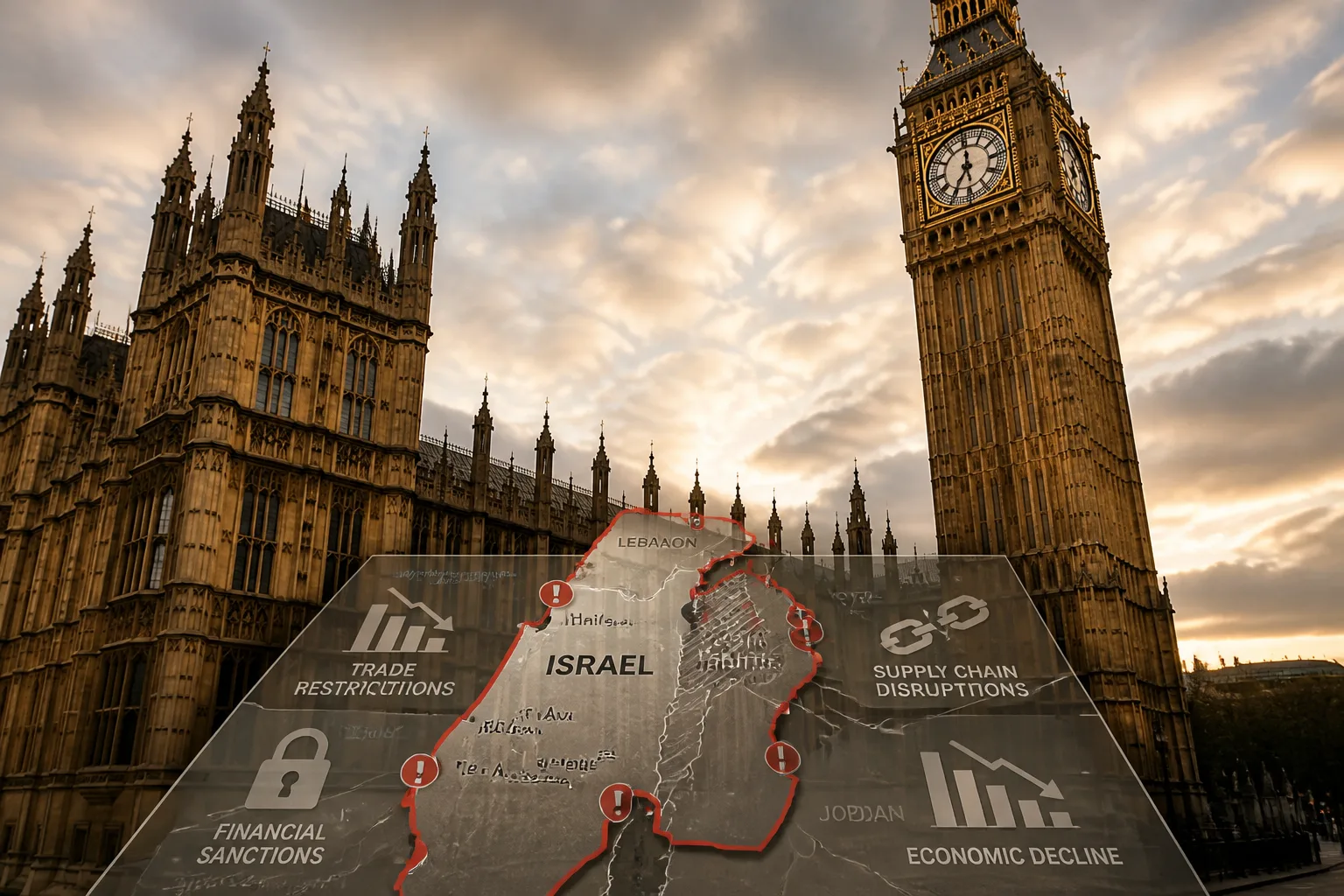
Economic data already show the sanctions’ impact. The Iranian Statistical Center reported year‑on‑year inflation of 84.4 % in August 2026, the highest level recorded since the revolution. The rial fell to a record 2 million against the dollar on 23 August. Analysts note that the sanctions have cut Iran’s oil revenues, limited its access to the international financial system, and created hurdles for humanitarian trade. The sanctions also target Iranian banks and financial institutions, curtailing their ability to process payments in U.S. dollars and forcing foreign banks to sever ties. The decline in oil exports has rippled into the petrochemical sector, causing shortages of essential inputs for domestic manufacturers.
Iran’s officials have countered by outlining a two‑year survival plan, arguing that the regime can withstand the pressure by tightening domestic controls and expanding illicit trade routes. The U.S. Treasury warned that any country that continues to do business with Iran will face “tremendous economic consequences.” Operation Economic Outcast represents the latest phase of the U.S. “maximum pressure” campaign that began in 2018 after the U.S. withdrew from the Joint Comprehensive Plan of Action. Critics describe the campaign as a “non‑starter” that may not topple a determined regime, while humanitarian groups fear collateral damage to civilians. The U.S. and its allies maintain that sanctions are a necessary tool to curb Iran’s nuclear ambitions and regional destabilisation. Iranian officials highlighted that the regime has already shifted a portion of its trade to neighboring Gulf states and increased reliance on cryptocurrency transactions to bypass sanctions. The Treasury’s warning extends to third‑country entities, emphasizing that even indirect support could trigger secondary sanctions.
The EU’s sanctions are coordinated with the U.S. through the Common Foreign and Security Policy. The Council’s decision, originally aimed at Iran’s support for Russia’s war in Ukraine, now also targets armed groups in the Middle East and the Red Sea, and includes provisions that hit individuals and entities that facilitate Iran’s military and intelligence activities. The EU regulation, set to expire on 27 July 2026, will be reviewed by the Council before any potential extension. In summary, the U.S. and EU have launched a coordinated economic offensive against Iran, combining new U.S. sanctions with an EU regulation that expands restrictions on military technology and human‑rights violators. The measures seek to isolate Iran economically, reduce its ability to finance regional proxies, and pressure the regime into a lasting settlement. Whether the campaign will achieve its goals remains uncertain, as Iran’s economy shows signs of resilience and the international community continues to debate the humanitarian implications of the sanctions.