Mossad Director Roman Gofman Fires Two Senior Officials Amid Iran War Failures
On the morning of 6 August 2026, the Mossad’s corridors rattled as its new director, Major General Roman Gofman, announced a sweeping purge. The head of the agency’s intelligence directorate and the chief of its Iran division—known only by the anonymised designations “K” and “Y”—were dismissed in a move that, according to Israeli mainstream outlets, marks the first public firing of senior Mossad officers since the agency’s founding.
Gofman, who took the helm in April 2026 after serving as Prime Minister Benjamin Netanyahu’s military secretary, said the dismissals were necessary to "realign the agency’s priorities." The Mossad’s public statement added that the two officials had overseen a covert operation aimed at toppling the Iranian regime. The plan, launched in 2024, was designed to weaken Iran’s security apparatus, arm Kurdish militias in Iraq, and spark mass protests inside Tehran.
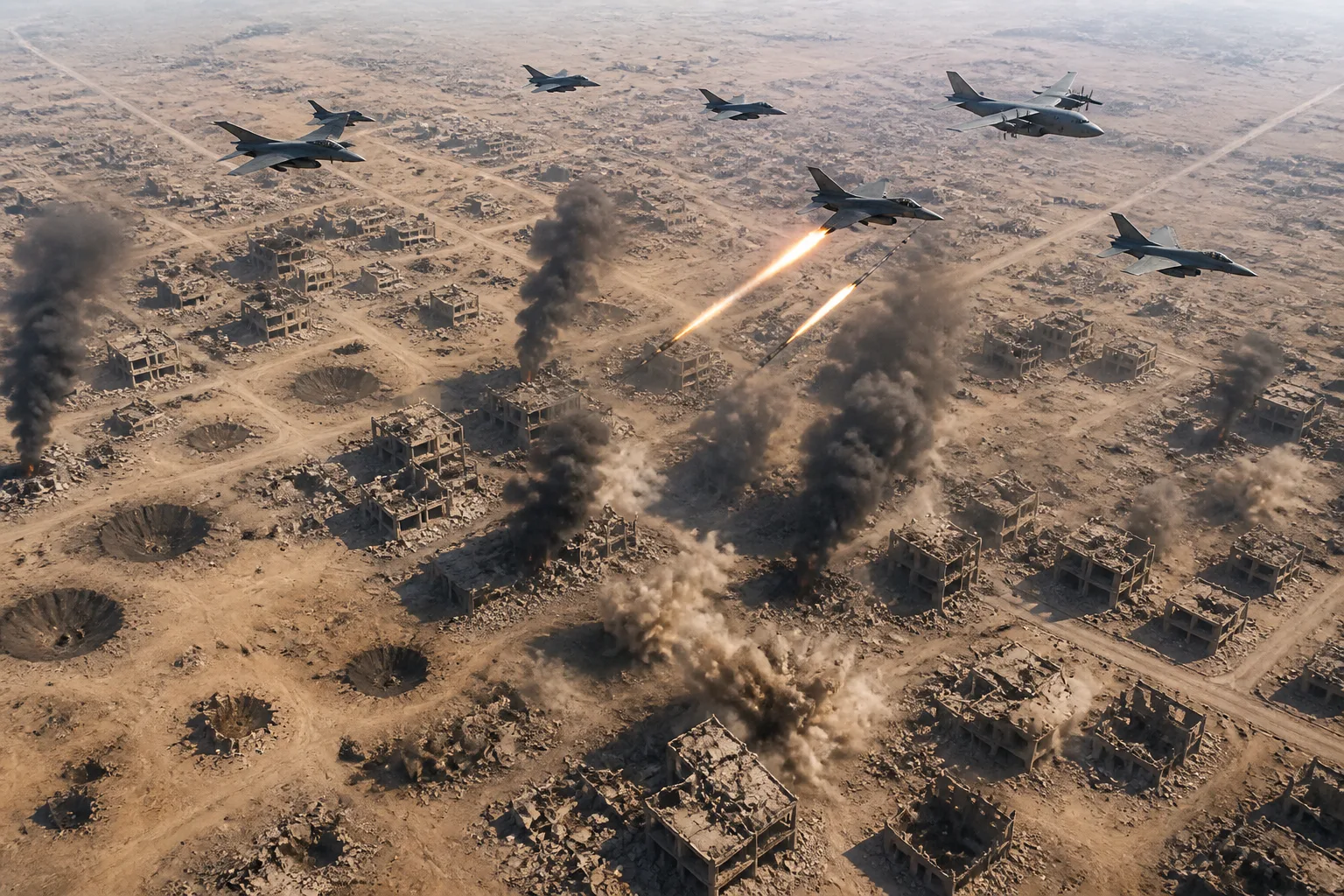
The operation faltered on several fronts. Iranian forces successfully defended key military sites, Kurdish groups were denied weapons, and the Iranian public did not rise as the Mossad had anticipated. The failure of the plan was highlighted by the 12‑day war that erupted in June 2025. During that brief conflict, Israeli aircraft struck Iranian nuclear and military facilities, and a number of Iranian officials were assassinated. The war ended with a ceasefire, but the intended political fallout did not materialise. Mossad’s public outreach during the conflict included social‑media accounts bearing the agency’s seal, AI‑generated videos of Iranian prisons, and offers of remote medical assistance via WhatsApp. According to reports, Iranian officials mocked the campaign and the videos had little effect on public sentiment.
The dismissal of “K” and “Y” has drawn criticism from veterans and security analysts. Some officials said the move was an attempt by Gofman to shield higher‑level decisions from scrutiny. Former Mossad chief of influence operations, known only as “O,” told a national newspaper that he had to persuade colleagues that the Iran plan was viable, but that no one could guarantee success.
Prime Minister Netanyahu’s government has continued to push for a larger campaign against Iran. A May report from Israel Hayom said the government instructed both the Israeli military and Mossad to prepare for an expanded operation, with a possible return to open war in the autumn. Netanyahu has said that the fall of the Islamic Republic may not happen in a single day. The United States, a key partner in the 2026 air‑strike campaign, has faced logistical challenges. Reports indicate that U.S. bases in the Middle East are struggling to resupply missile interceptors, and that the U.S. may be unable to provide full protection for Israel should a new conflict erupt.
The broader context of the Israel‑Iran conflict is long‑standing. Since the 1979 Islamic Revolution, Iran has viewed Israel as an existential threat and has supported militant groups across the region. Israel has repeatedly carried out covert operations against Iranian nuclear scientists and military leaders. The recent dismissals underscore the difficulties the Mossad has faced in achieving its strategic objectives. While the agency remains a key component of Israel’s intelligence community, the failure of the Iran plan has prompted a reassessment of its approach.
The current situation remains fluid. The Israeli government and the Mossad are reportedly preparing for a more extensive campaign, while the United States continues to grapple with operational constraints in the region. The dismissal of the two senior officials marks a significant shift in the Mossad’s leadership and signals a potential change in strategy as Israel confronts the ongoing challenges posed by Iran.