IMO Launches Evacuation of 11,000 Seafarers Stuck in Persian Gulf After US-Iran Ceasefire
The International Maritime Organization (IMO) began a coordinated evacuation of 11,000 seafarers stranded in the Persian Gulf on 24 June 2026, following the United States‑Iran memorandum of understanding that ended hostilities and reopened the Strait of Hormuz.
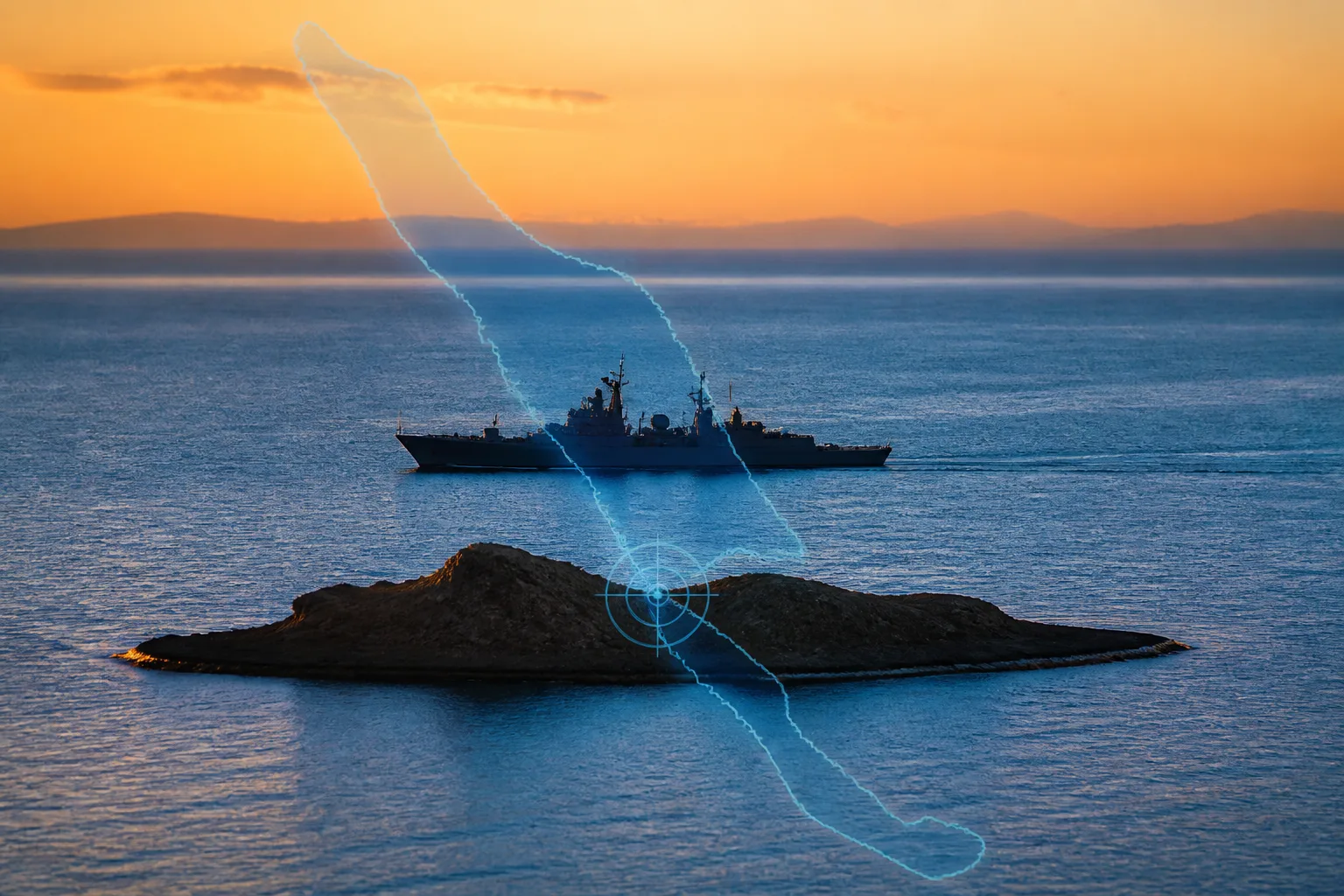
The war that began on 28 February 2026, when Israel and the United States launched a joint strike on Iranian targets, had closed the Strait of Hormuz for months. The strait, a narrow 2‑mile channel that connects the Gulf of Oman to the Persian Gulf, is a critical artery for global oil shipments. During the conflict, the Iranian navy blocked the channel, mined nearby waters, and prevented merchant vessels from leaving the Gulf. As a result, an estimated 20,000 seafarers were trapped on ships west of the strait.
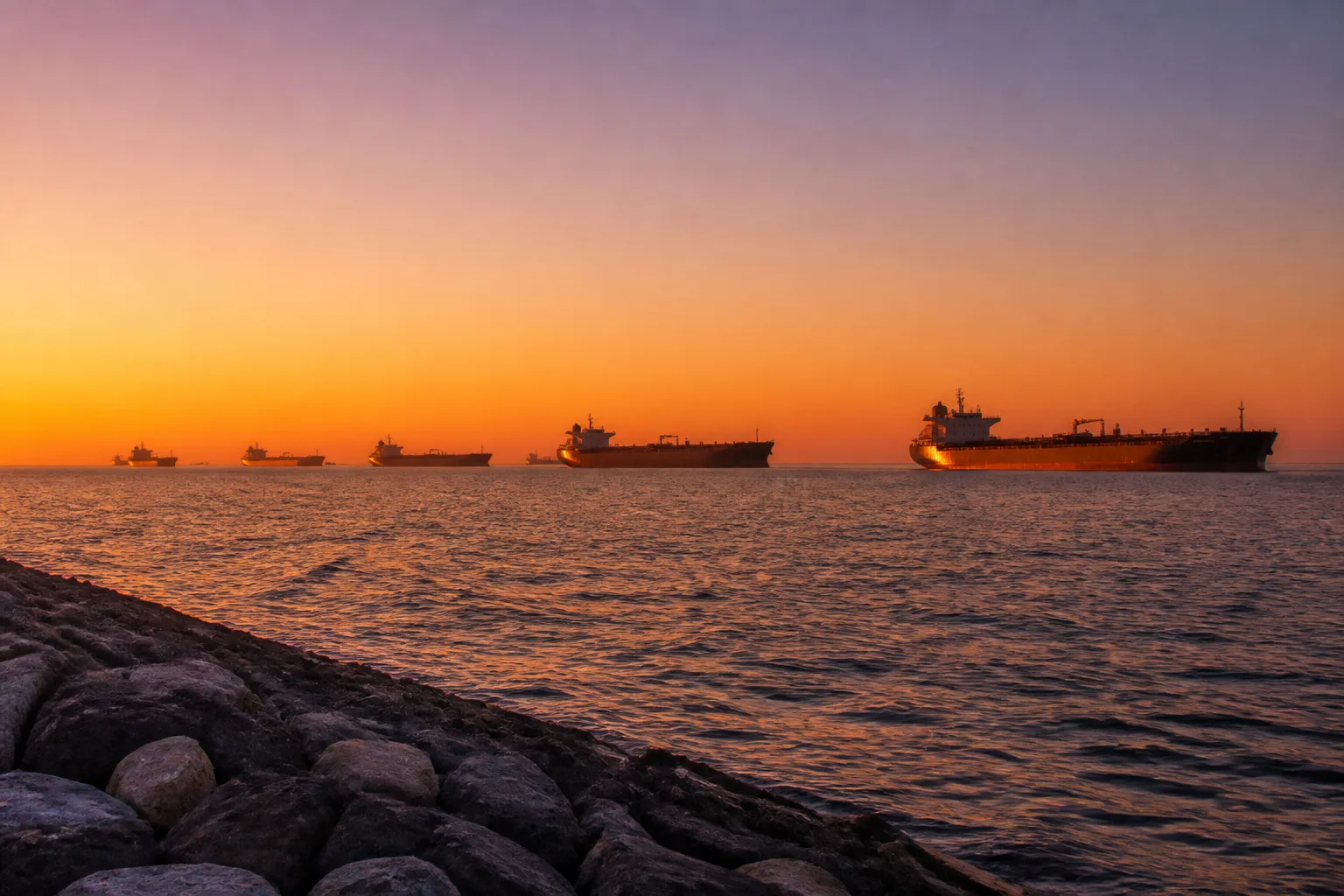
The IMO’s evacuation plan, announced on 23 June 2026, calls for vessels to exit the Gulf through the reopened strait. According to the International Chamber of Shipping (ICS), the priority is the safe departure of the 11,000 seafarers who have been stranded since the end of February. The plan involves an “armada of vessels” that will leave the Gulf in a coordinated effort, with the IMO coordinating with shipping companies, port authorities, and naval forces to ensure a smooth flow.
The United States‑Iran ceasefire, signed on 14 June 2026, was mediated by Pakistan and Qatar and is set to last 60 days. Under its terms, the United States lifted its naval blockade of the Strait of Hormuz, agreed to clear mines, and reopened the channel for commercial traffic. The agreement also lays out a timetable for further negotiations on Iran’s nuclear program, sanctions relief, and the release of frozen assets.
The evacuation is part of a broader effort to restore shipping activity in the region. The International Maritime Organization, a United Nations specialized agency headquartered in London, has long been responsible for developing and maintaining a comprehensive regulatory framework for maritime transport. Its work includes ensuring maritime safety, protecting the marine environment, and promoting international cooperation.
Oman, which shares a coastline with the Persian Gulf, has warned that while the strait is officially open, shipping lanes remain unsafe due to residual mine threats and the need for continued monitoring. The IMO spokesperson said that the evacuation will proceed only once the channel is confirmed clear and secure.
The plan is expected to free the remaining seafarers, many of whom have been on board for months without the possibility of returning to their home ports. The stranded crews have faced shortages of supplies, limited communication, and the psychological strain of being trapped in a conflict zone.
The evacuation is also significant for the global economy. The Strait of Hormuz handles roughly 20 % of the world’s crude oil exports. Disruptions in the channel have historically led to spikes in oil prices and supply chain delays. By clearing the strait and enabling the departure of stranded vessels, the IMO aims to reduce the risk of further disruptions.
The International Chamber of Shipping has expressed support for the initiative, noting that the safety of seafarers is paramount. The plan is being implemented in coordination with the United Nations, regional governments, and private shipping companies.
As the 60‑day ceasefire window closes, the evacuation will continue to be monitored closely. The IMO has stated that it will keep shipping operators informed of any changes in the status of the strait and will adjust the evacuation schedule accordingly.
In summary, the IMO’s evacuation of 11,000 stranded seafarers is a direct consequence of the US‑Iran ceasefire that reopened the Strait of Hormuz. The operation represents a critical step toward restoring normal shipping operations in the Persian Gulf and mitigating the economic impact of the recent conflict.