Iraq Threatens OPEC Exit Over Production Quota, Calls for Significant Increase
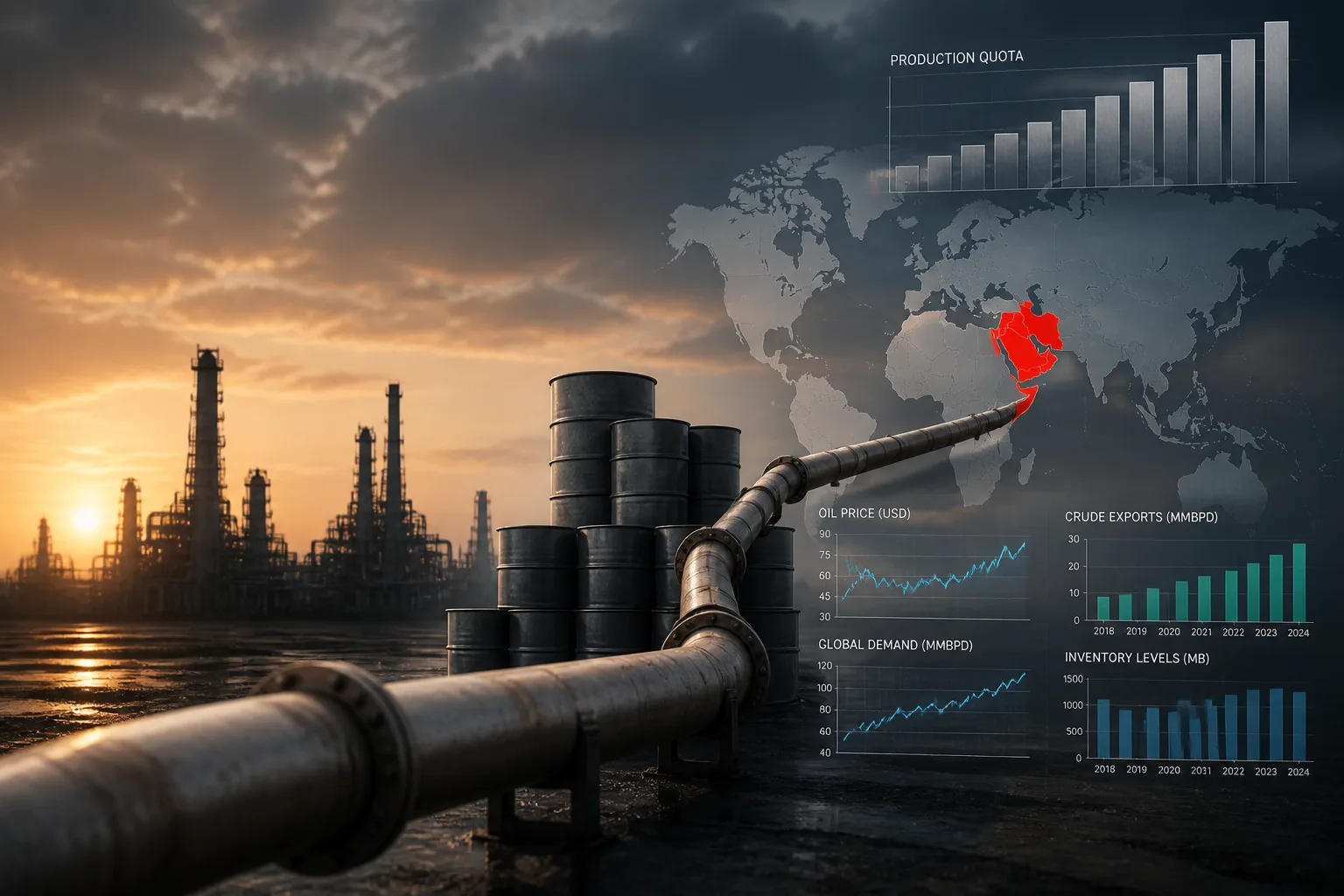
Iraq has warned that it may withdraw from the Organization of the Petroleum Exporting Countries (OPEC) if the cartel does not raise its production quota to reflect the country’s output capacity. The announcement comes after Iraq’s oil ministry said the nation’s current quota of 4.378 million barrels per day (bpd) for July is far below the amount the country can produce, a gap widened by disruptions in the Strait of Hormuz.
The threat follows a brief statement from the Iraqi government that it was not seeking to leave OPEC, but that it was exploring all options if the quota issue was not resolved. The ministry’s spokesperson said the remarks were made in response to reports that the country was considering an exit, but that no formal decision had been taken.
OPEC, founded in Baghdad in 1960, coordinates production among its members to stabilize global oil markets. Iraq, the cartel’s second‑largest producer, has repeatedly argued that its post‑war reconstruction needs justify a higher quota. The country’s oil sector has suffered from decades of conflict and sanctions, and the government says it requires additional revenue to fund rebuilding and public services.
In early June, OPEC+ – the alliance of OPEC members and other producers such as Russia – agreed to raise Iraq’s quota by 26,000 bpd effective July. The increase is part of a broader 188,000 bpd production hike across several member countries. The Iraqi ministry said the bump is “symbolic” and does not meet the level the country needs.
The dispute comes on the back of the United Arab Emirates’ exit from OPEC in May, which left Saudi Arabia as the only Gulf member remaining in the cartel. The UAE’s departure has already altered the dynamics of OPEC’s production discipline, and Iraq’s threat to leave could further weaken the group’s influence.
Iraq’s oil output has fluctuated in recent years. While the country’s official quota for July is 4.378 million bpd, actual production has been lower due to the Hormuz disruption and other operational challenges. The oil ministry said the country’s infrastructure requires modernization and investment to reach its full potential.
The Iraqi government’s call for a higher quota is rooted in the country’s economic context. Iraq’s economy is dominated by oil, which accounts for the majority of its export earnings. The government estimates that additional investment is needed to maintain current production levels and to fund reconstruction projects that could cost upwards of $100 billion.
OPEC’s role in setting quotas is a key tool for managing global supply. The cartel’s decisions influence oil prices, which in turn affect inflation, energy security, and economic stability worldwide. A reduction in Iraq’s quota limits the country’s ability to generate revenue, while an increase could shift global supply dynamics.
The Iraqi threat to exit OPEC has drawn attention from market analysts and policymakers. Some observers note that a departure would remove the world’s sixth‑largest crude producer from the cartel’s output discipline framework, potentially leading to higher global supply and lower prices.
The Iraqi oil ministry has reiterated that it remains committed to OPEC membership, but that it will pursue a higher quota to meet its economic needs. The ministry said it would continue to engage with OPEC officials and other members to negotiate a revised quota.
The situation remains fluid. OPEC’s next meeting is scheduled for early July, where the group will review the impact of the recent quota adjustments and discuss the implications of Iraq’s position. The outcome of those discussions will determine whether Iraq’s threat translates into a formal exit or a revised quota agreement.
In summary, Iraq’s call for a substantial increase in its OPEC production quota reflects the country’s need for additional oil revenue to support reconstruction and economic stability. The dispute highlights the challenges OPEC faces in balancing member interests with global market dynamics, especially after the UAE’s recent exit and the ongoing adjustments to production quotas.