Saudi Aramco Restarts Crude Loadings at Ras Tanura Amid Rising Oil Exports and Strait of Hormuz Tensions
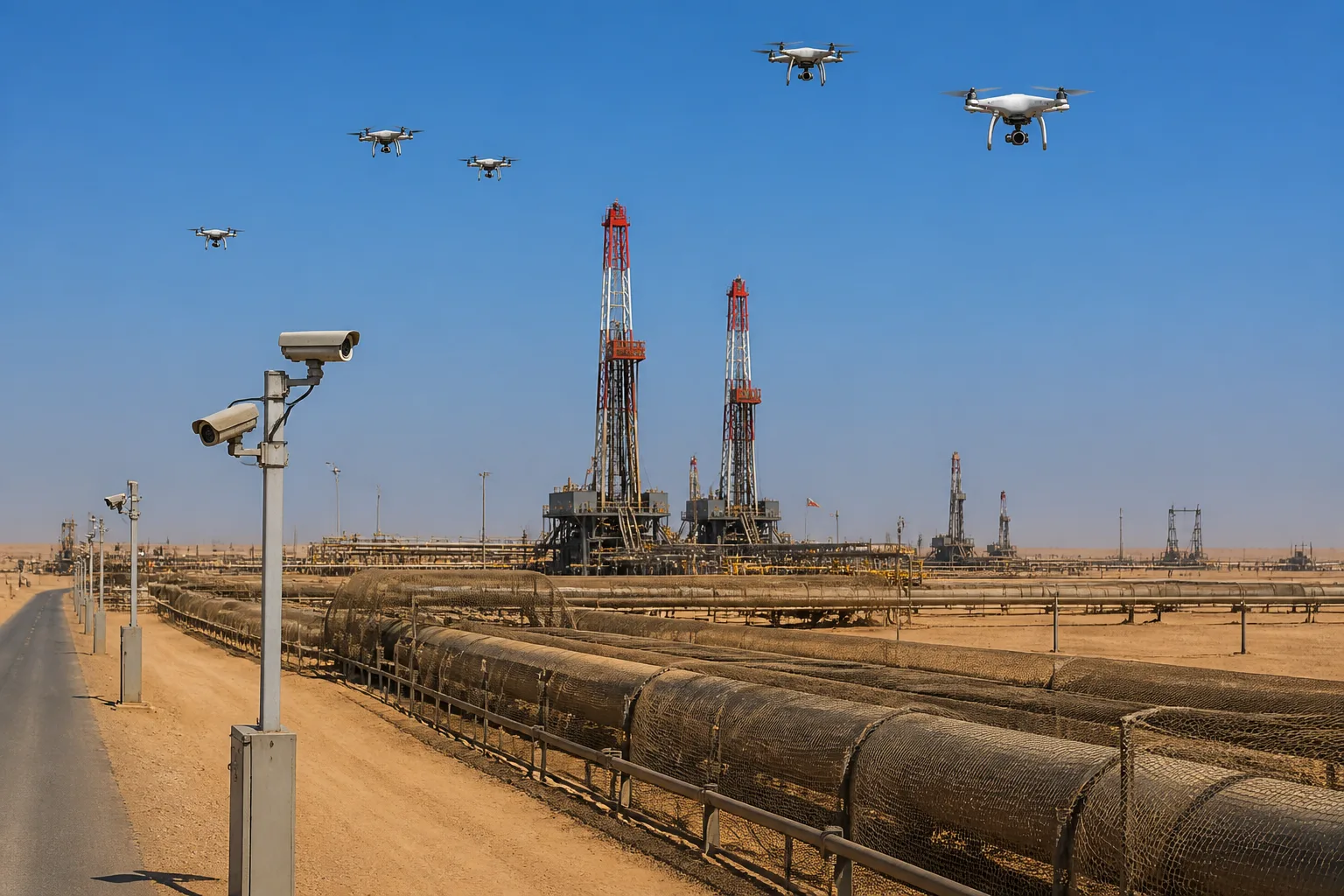
On Friday, Saudi Aramco lifted the lid on its Ras Tanura terminal, beginning to load crude oil after a pause that had stretched nearly four months. Shipping data from the London Stock Exchange Group shows two Very Large Crude Carriers (VLCCs) were actively taking on cargo, while a third vessel waited nearby for its turn. The move signals a return to routine operations in a region that has been on edge since Iran shut the Strait of Hormuz in late February amid the 2026 Iran‑U.S. conflict.
The resumption comes at a time when Gulf oil exporters are mobilising a wave of shipments. Analysts note that the opening of the strait following a U.S.–Iran interim agreement has freed Saudi Arabia to ramp up its export capacity. The timing is also significant because it follows a sharp spike in tensions after the Taiwan‑owned tanker Ever Lovely was struck by a missile or drone in the Strait of Hormuz on Thursday. The incident, reported by ship‑tracking services, occurred 7.5 nautical miles southeast of Dahit, Oman, and has raised alarm over the safety of shipping lanes that carry roughly a quarter of the world’s seaborne oil.
Despite the attack, Aramco’s decision to load crude at Ras Tanura demonstrates confidence that the region’s supply chain can operate normally. The terminal, situated on a peninsula that juts into the Gulf, is a key node in Saudi Arabia’s export network and has been central to the kingdom’s effort to keep output steady.
Oil markets reacted differently. On Friday, Brent crude fell by more than $1 a barrel, the first decline in several days, as Middle Eastern producers increased output to compete for buyers. The price drop is attributed to heightened supply dynamics, with Saudi Arabia and other Gulf producers issuing tenders to attract shipping companies and boost exports.
The restart is part of a broader regional strategy. Saudi Arabia, Kuwait, and other Gulf Cooperation Council members have been raising production levels in anticipation of a permanent resolution to the U.S.–Iran dispute. The increased output is intended to reassure markets that the region can meet global demand even if shipping routes remain sensitive.
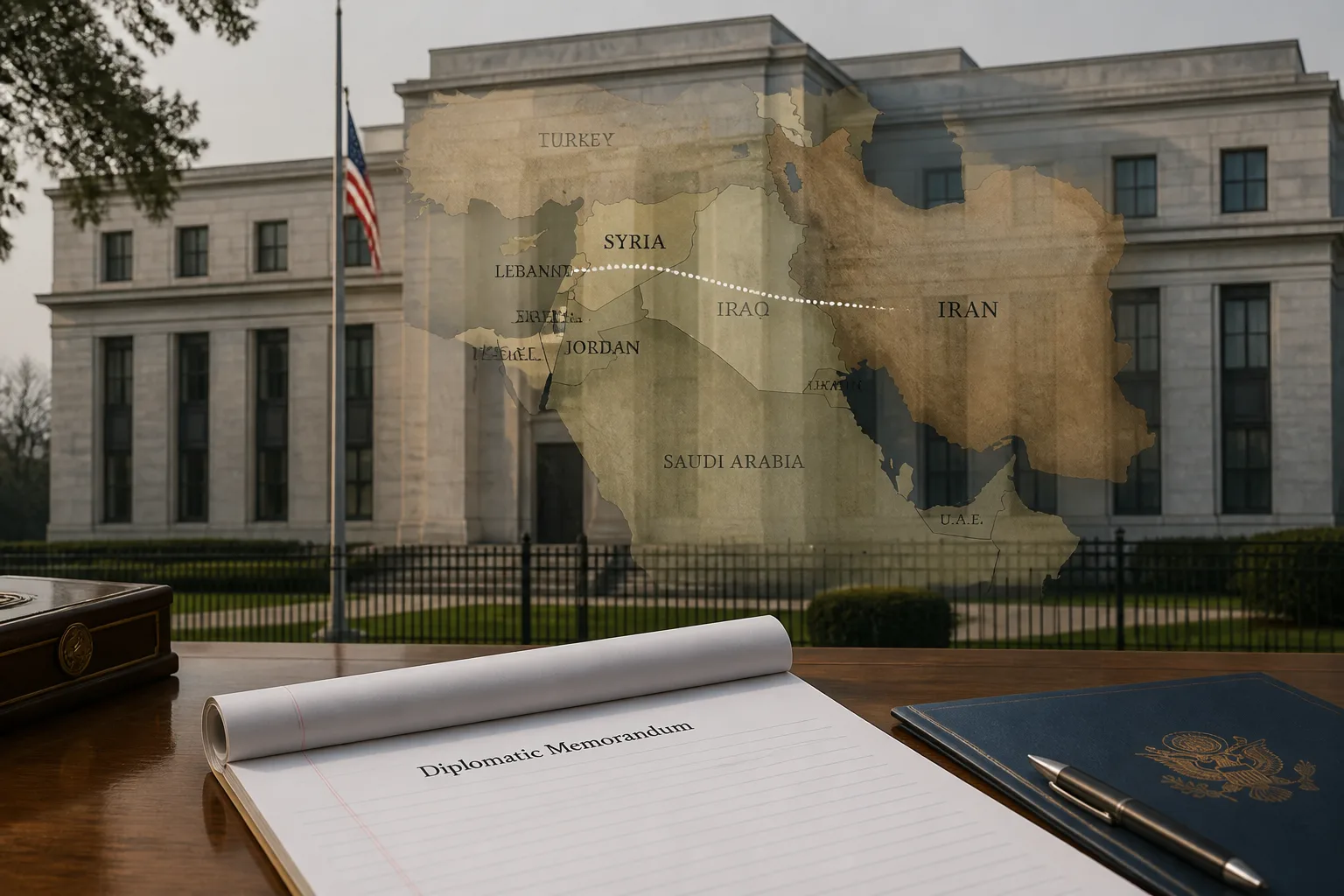
The incident in the Strait of Hormuz has not halted the flow of oil from the Gulf. According to reports, the U.S. and Iran signed an interim agreement that reopened the strait and restarted nuclear negotiations. While the deal has not fully resolved all security concerns, it has allowed oil shipments to resume, albeit with heightened vigilance.
Aramco’s move also signals a shift in the competitive landscape. The company’s decision to load two VLCCs simultaneously demonstrates its capacity to respond quickly to market conditions, and it is expected to prompt other producers to follow suit. A temporary oversupply could keep prices lower, but it also underscores the delicate balance between supply and demand.
In the weeks ahead, analysts will monitor whether the surge in Gulf output continues to support the reopening of shipping lanes and whether the Ever Lovely incident leads to new security protocols. The equilibrium between supply and demand will remain a key factor in shaping global oil prices.
For now, Saudi Aramco’s restart at Ras Tanura marks a concrete step toward normalising the region’s oil export operations, even as geopolitical tensions in the Strait of Hormuz persist.