Kenya Airways Faces 72% Fuel Cost Surge Amid Middle East Conflict
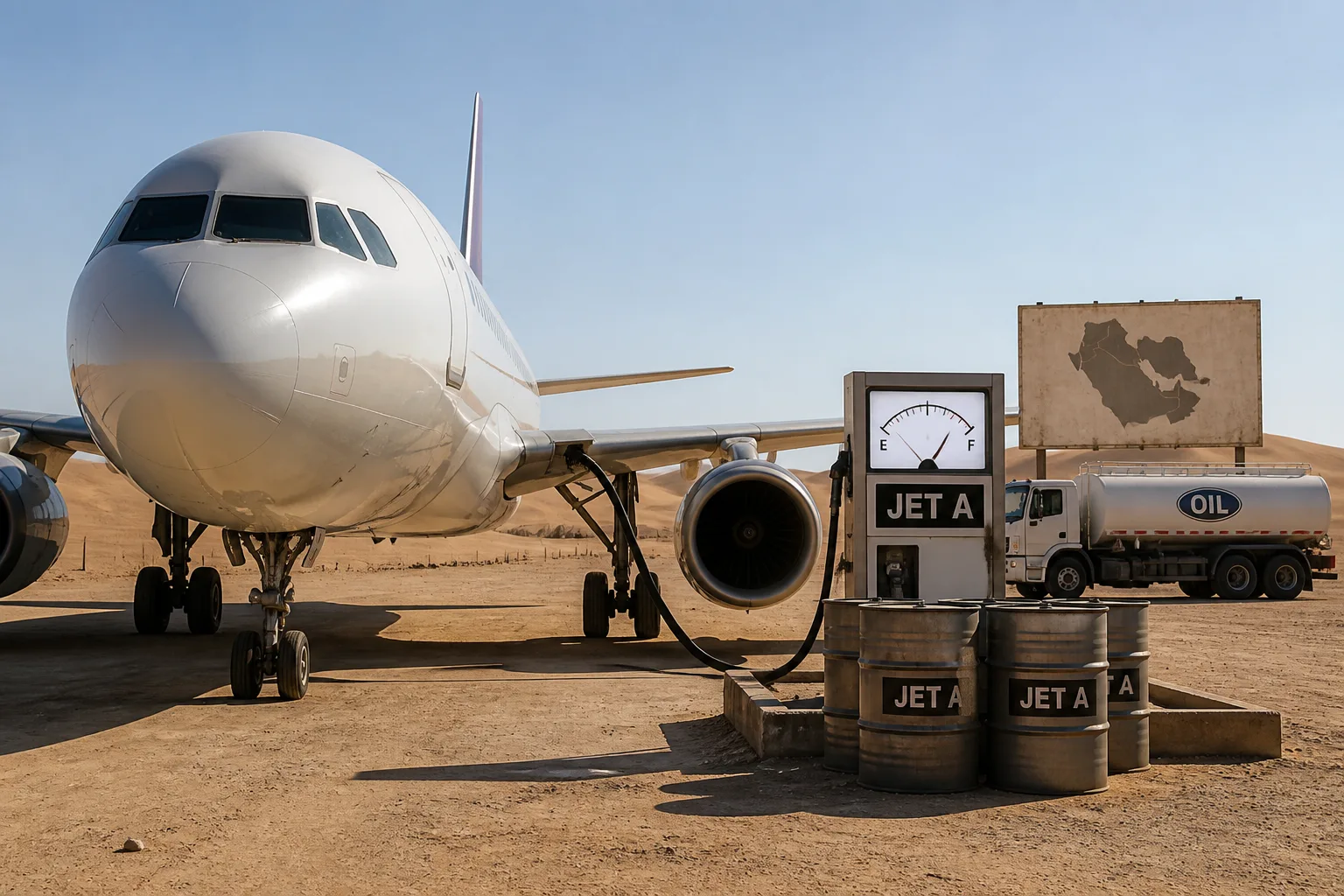
On 19 August 2026, Kenya Airways disclosed that its fuel costs had jumped 72 % in the first half of the year—a rise it links directly to the conflict in the Middle East. The spike has already delayed spare‑parts deliveries and maintenance work on the national carrier’s fleet, tightening operating costs and clouding its financial outlook.
The airline’s statement explained that jet‑fuel prices surged after the 2026 Iran war and the temporary closure of the Strait of Hormuz. The conflict triggered a global oil‑price surge that pushed jet‑fuel prices to levels not seen since the 1970s. In turn, delays in spare‑parts shipments and maintenance schedules were tied to disruptions in aviation supply chains that have grown more fragile since the war began.
Ken Gichinga, chief economist at Mentoria Economics, warned that the fuel shock would pose a significant challenge for Kenya Airways, especially given the country’s fragile economic environment. He noted that higher fuel costs translate into higher airfares—a problem when competitors offer more competitive pricing. Gichinga added that the airline is seeking a strategic investor to inject between US$1 billion and US$1.5 billion to shore up its balance sheet.
Dr Patric Muide of ChannelAfrica explained that jet fuel can account for 40 % to 55 % of an airline’s operating costs. He said that for many African carriers, which already operate on thin margins, any escalation in fuel prices can push them into loss‑making territory. Muide’s analysis highlights the vulnerability of the continent’s aviation sector to external shocks.
The fuel price surge is part of a broader pattern affecting African airlines. Those that operate long‑haul routes to Europe and Asia have had to reroute flights to avoid airspace closures over Libya, Sudan and the Gulf, adding fuel consumption and operational complexity. The cost pressure is compounded by competition from low‑cost carriers that can absorb higher fuel expenses more easily.
Kenya Airways’ situation also reflects wider economic pressures on Kenya. The government’s shareholding of 48.9 % and the airline’s debt‑laden history mean that any additional cost burden could threaten its path to profitability. The search for a strategic investor is seen as a rescue mission, with the Treasury and the airline’s board reportedly exploring options.
In conclusion, Kenya Airways’ 72 % fuel cost increase underscores how a conflict thousands of kilometres away can ripple through Africa’s aviation industry. The airline faces immediate operational challenges—delayed maintenance and higher operating expenses—while also confronting longer‑term financial risks. The search for a strategic investor and the monitoring of global fuel prices will be critical next steps as the carrier seeks to stabilize its finances and maintain service levels.