Israel Warns Turkey After Airstrikes on Syrian Base Near Aleppo
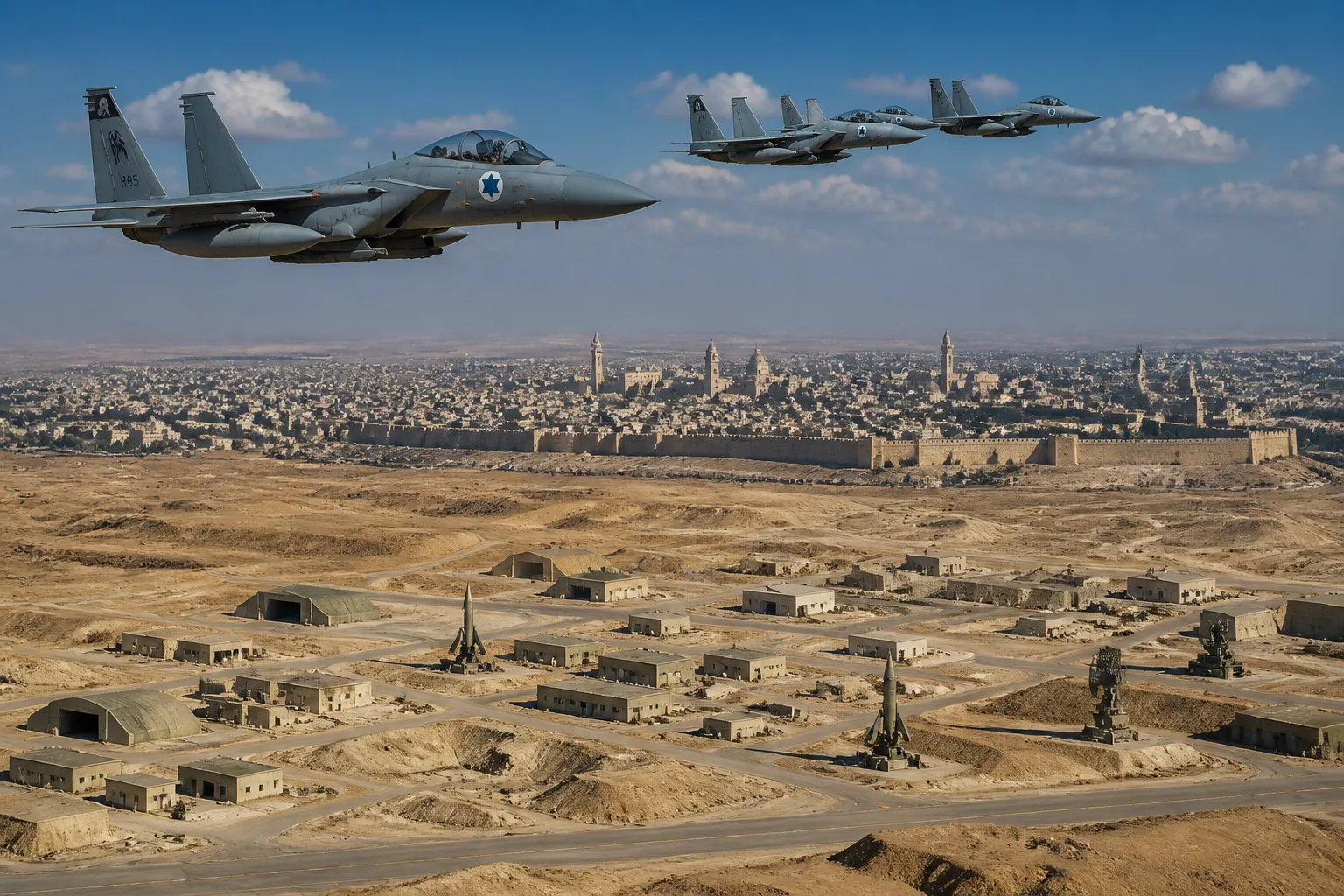
On 18 August 2026, Israeli jets struck the Abu al‑Duhur military airbase in north‑western Syria, a move that prompted Prime Minister Benjamin Netanyahu to warn Turkey that it could not deploy forces to the site.
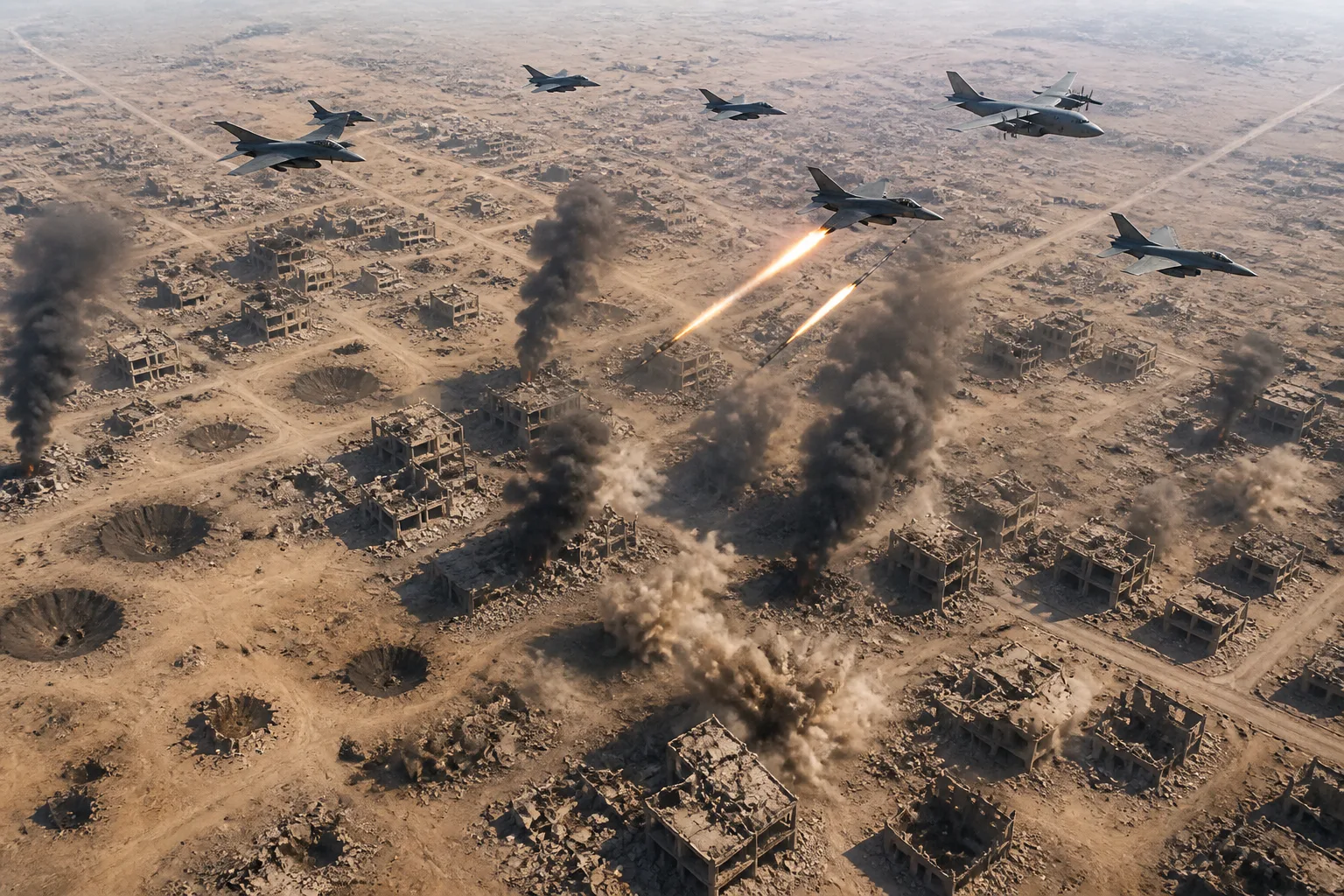
The airstrikes, carried out early in the morning, hit the runway and storage facilities of the base, which is located about 45 kilometres east of Idlib city and roughly 70 kilometres from the Turkish border. Syrian state television reported that eight strikes caused material damage but did not result in any casualties.
In a podcast interview with an army radio station on Wednesday, Netanyahu said Israel had "sent a message in general terms" opposing a Turkish military presence at the airbase. He added that the message had not been understood, so Israel had made sure Turkey "understood it more clearly". The Prime Minister warned that Israel would not allow a Turkish deployment that extended southwards, describing it as a threat.
Netanyahu’s statement came after Turkish forces had inspected the base earlier in the week. Israel’s office declined to confirm that the Israeli military carried out the strikes, but said the Turkish inspection had prompted Israel to issue a warning about a potential threat from a Turkish presence.
The United States reacted swiftly. Tom Barrack, the U.S. ambassador to Turkey and special presidential envoy for Syria and Iraq, condemned the airstrikes as an "unnecessary escalation". In a post on X, Barrack called the operation a dangerous step that could destabilise the region and urged both sides to prioritise dialogue.
Turkey’s response was equally sharp. Ankara condemned the strikes and accused Israel of violating international law. Turkish officials said the attack was a direct threat to Turkish troops that had been stationed near the base for months.
The incident follows a long‑standing rivalry between Israel and Turkey over influence in Syria. Since the fall of the Assad regime in December 2024, Israel has occupied the former Syrian‑Israeli disengagement zone and has carried out a sustained campaign of airstrikes against Syrian military targets. Turkey, meanwhile, has maintained a military presence in the Idlib region, citing security concerns and support for opposition groups.
The Abu al‑Duhur airbase has been a flashpoint in the Syrian civil war. Captured by opposition forces in 2015, it was later retaken by the Syrian army in 2018. The base’s proximity to the Turkish border makes it strategically significant for both countries.
The Israeli warning to Turkey is part of a broader policy to prevent the establishment of a Turkish military foothold in the area. Israeli officials have repeatedly stated that any Turkish deployment that extends southwards would pose a threat to Israeli security.
The U.S. condemnation underscores Washington’s concern that the escalating military activity could trigger a wider conflict. The U.S. has been urging restraint from all parties while continuing diplomatic efforts to de‑escalate tensions.
The airstrikes and subsequent diplomatic exchanges highlight the fragile security environment in north‑western Syria. With Israel’s occupation of the former disengagement zone and Turkey’s continued presence near the border, the region remains a potential flashpoint for renewed hostilities.
The current situation is that Israel has carried out the strikes, Turkey has condemned them, and the United States has called the operation an unnecessary escalation. No further military actions have been announced by either side, and diplomatic channels remain open for dialogue.
The incident is a reminder of the complex interplay between Israel, Turkey, and Syria in the post‑Assad era, where competing security interests continue to shape the region’s stability.