Yemens Government Launches Air Strikes on Houthi Positions in Taiz, Declares Kill Zone
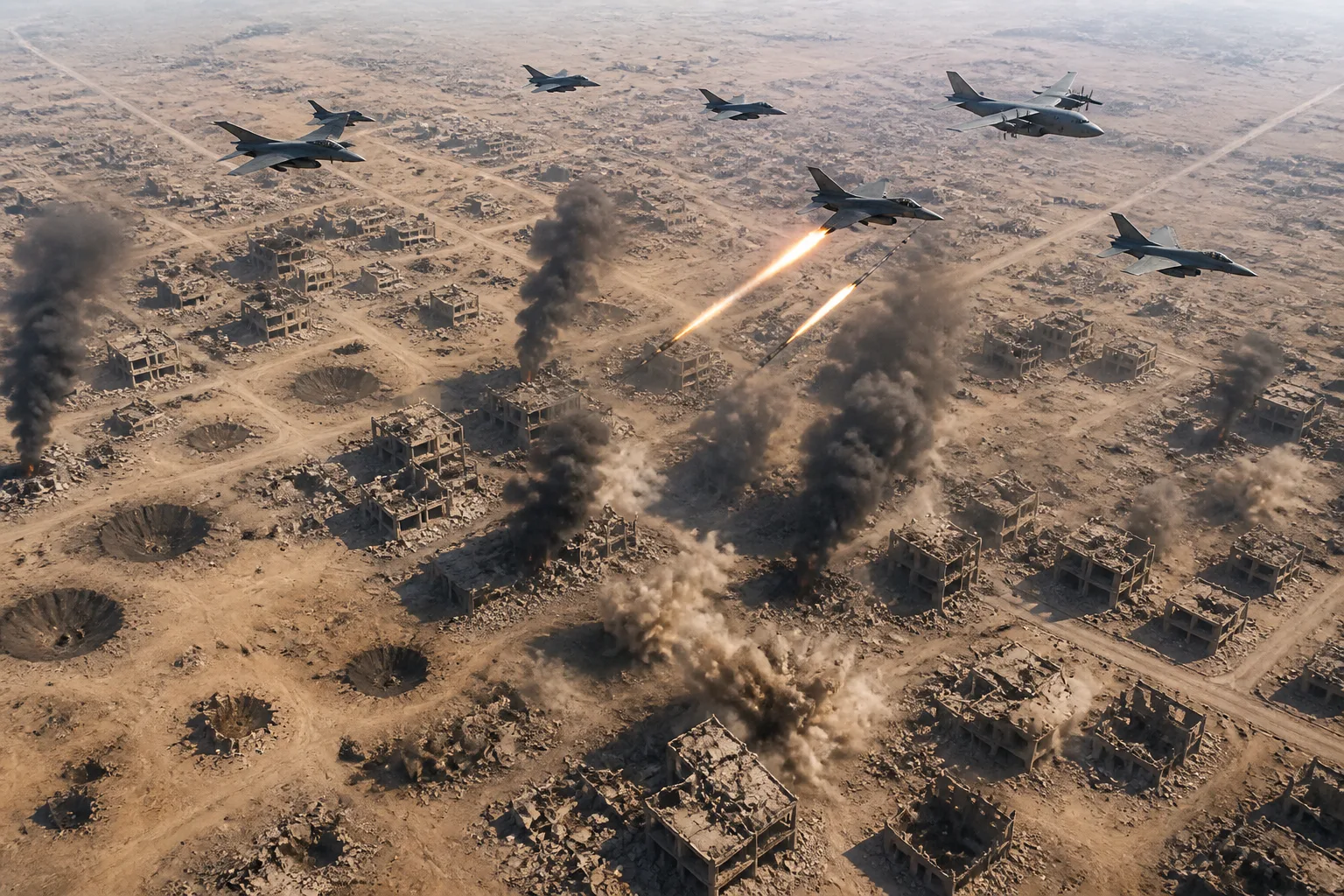
On the morning of September 11 2026, Yemen’s internationally recognized government activated its air force for a concentrated strike campaign against Houthi positions in western Taiz. The attacks were aimed at a zone the military called a “kill zone,” covering the vicinity of the Red Sea port of Mokha and stretching eastward along the Taiz‑Mokha road.
Colonel Majed Al‑Nuzaily, the armed forces spokesperson, issued an urgent warning to civilians: stay off the Taiz‑Mokha and Mokha‑Dhubab roads until further notice. The advisory followed a Thursday announcement that government aircraft and other weaponry would be deployed against Houthi military assets within the declared zone, which also encompassed Jabal Al‑Nar and surrounding Mokha areas.
The National Defense Council, on Thursday, said forces were stepping up operations against the Houthis on several fronts—Taiz, Marib, Al‑Jawf, Al‑Bayda and Al‑Dhale. It stressed that any temporary Houthi advance would not become a permanent territorial or political reality and urged civilians in combat zones to heed military instructions and keep clear of Houthi positions, movements and weapons depots.
These latest strikes arrive amid a surge of fighting across Yemen, following weeks of Houthi attacks on government‑held territory and on civilian and economic infrastructure. The council reported gains in Marib, Al‑Jawf and Al‑Bayda, noting that clashes on Yemen’s western coast form part of a wider battle to restore state control.
Earlier this week, the Houthis targeted civilian and energy infrastructure in Saudi Arabia’s Abha, Khamis Mushait, Jazan and Najran. The attacks sparked several fires at oil facilities in the southern region, temporarily halting some operations, the Saudi Energy Ministry said. The Coalition to Restore Legitimacy in Yemen declared it would respond in accordance with international law to protect Saudi sovereignty, civilians and national infrastructure.
The escalation mirrors a broader pattern of Houthi missile and drone strikes on Saudi territory, prompting Saudi air defenses to intercept many of the attacks. In recent months, the Houthis have also targeted ports and shipping lanes in the Red Sea, heightening concerns about maritime security.
By designating a kill zone in Taiz, the Yemeni government signals a shift from defensive posturing to a focused offensive. Concentrating fire on a defined area aims to contain and neutralise Houthi forces before they can consolidate control. The military’s warning to civilians underscores the danger of collateral damage in densely populated zones.
The situation remains fluid. The government has not disclosed the number of sorties or the extent of damage. The National Defense Council has called for continued vigilance and cooperation from local authorities to safeguard civilian safety.
In the coming days, officials are expected to assess the strikes’ effectiveness and adjust tactics accordingly. The broader conflict—spanning multiple fronts and involving external actors—continues to threaten regional stability and humanitarian conditions.
This development marks a notable escalation in Yemen’s civil war, with potential implications for the Saudi‑led coalition’s operations and the security of the Red Sea corridor.