Xi Urges BRICS to Act as Peacemaker in Middle East Conflict at New Delhi Summit
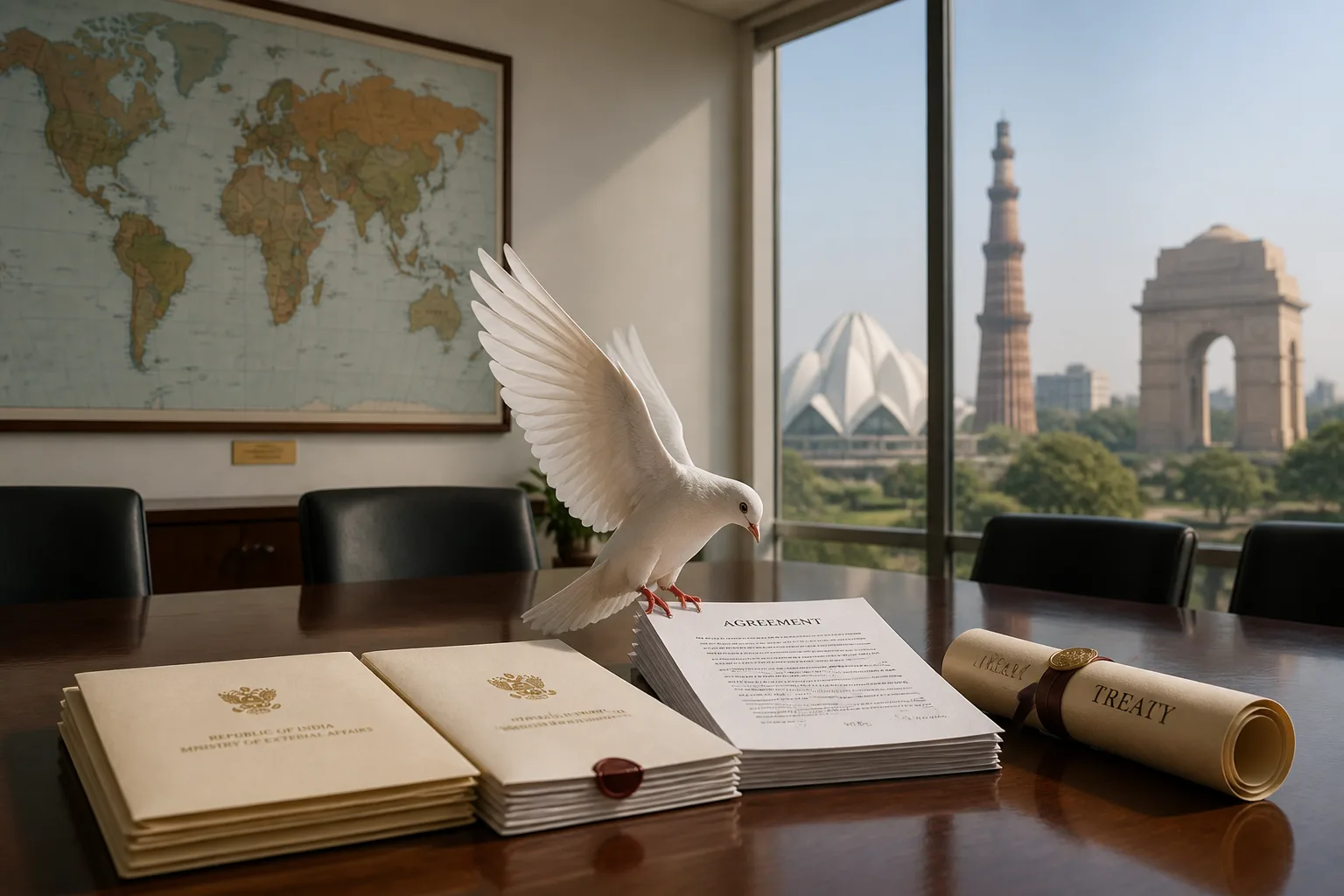
On Saturday, 12 September 2026, Chinese President Xi Jinping stepped onto the stage of the 18th BRICS summit in New Delhi and issued a call that could reshape the bloc’s diplomatic profile. In a televised address captured by state‑run CCTV, Xi declared that the Gaza‑Israel war “does not serve the common interests of the international community” and urged BRICS members to become a mediator in the Middle East conflict.
The summit, held over two days, convened leaders from the ten BRICS states—Brazil, Russia, India, China, South Africa, Egypt, Ethiopia, Indonesia, Iran, and the United Arab Emirates—alongside a host of partner and outreach invitee countries. The group, which began as an informal forum in 2009 and formalised with South Africa’s 2010 accession, has grown in both membership and influence. In 2024, Egypt, Ethiopia, the UAE and Iran attended their first summit as full members, while Indonesia joined in early 2025, extending BRICS’ reach into Southeast Asia.
Collectively, the bloc represents over 40 % of the world’s population and almost a quarter of global GDP. BRICS has established its own financial mechanisms, such as the New Development Bank and the BRICS Contingent Reserve Arrangement, and has pushed for trade settlement in national currencies.
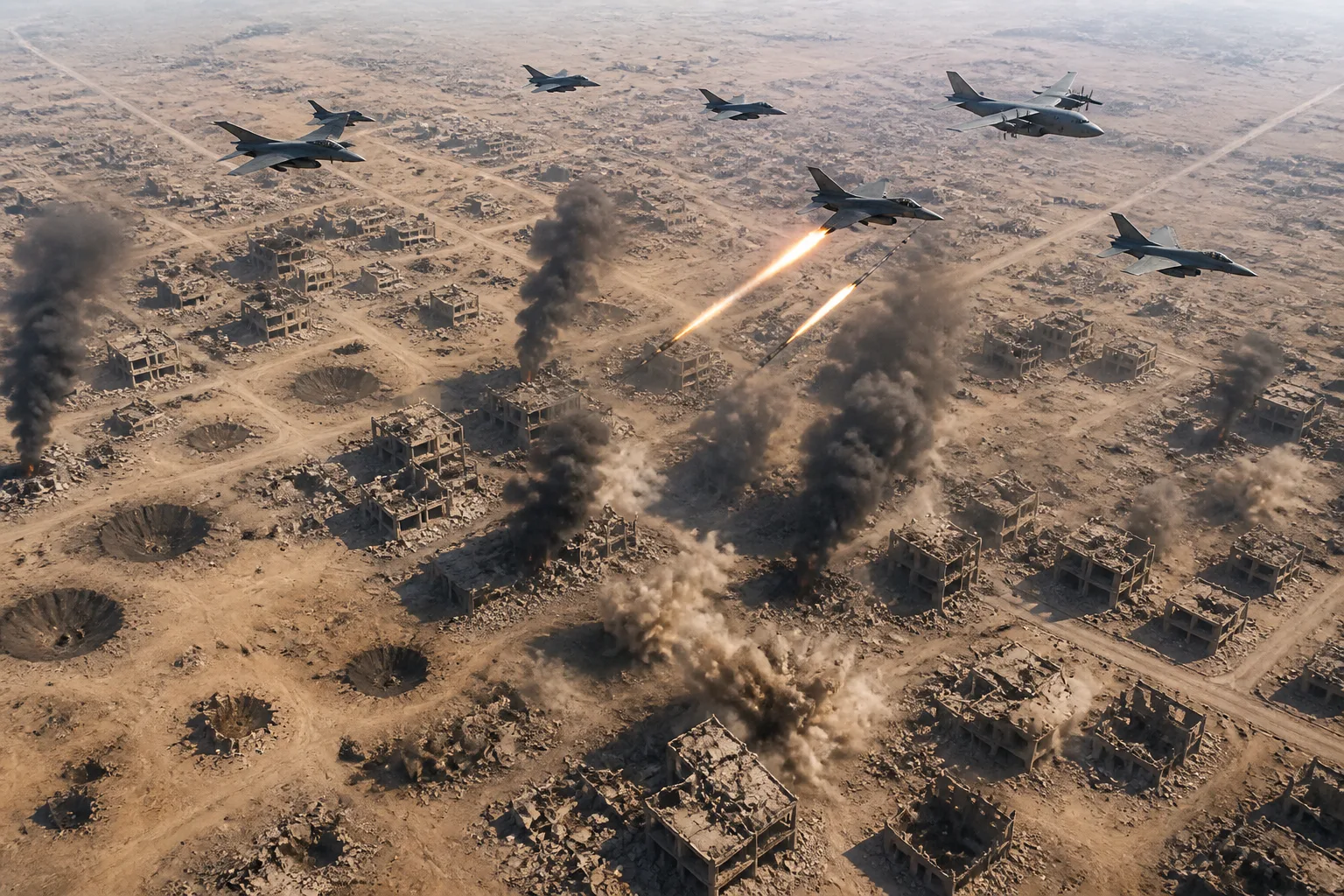
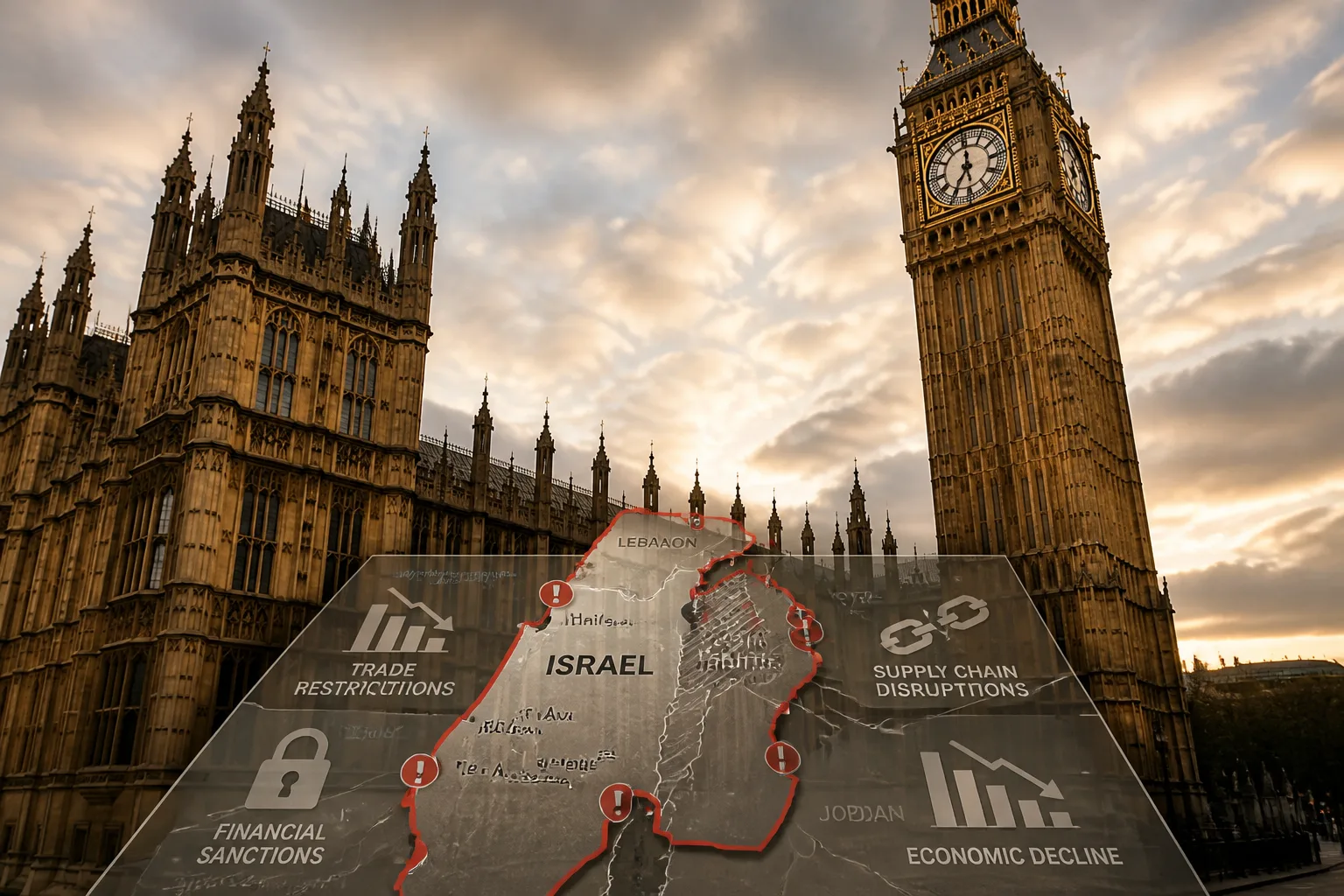
Xi’s plea came amid the ongoing Gaza‑Israel war, which began in October 2023 and has continued to inflict widespread destruction and humanitarian suffering. By positioning BRICS as a potential counterweight to Western‑led diplomatic initiatives, China signalled its readiness to play a larger role on the world stage.
Beyond the peace appeal, Xi highlighted BRICS’ status as a “leading group” in the Global South and a model of self‑reliance and innovation‑driven development. He announced that China would assume the BRICS chairmanship in 2027 and host the 19th summit, following India’s hosting of the 18th.
The New Delhi meeting also tackled broader themes of inclusive global governance, multilateralism, and economic cooperation. Leaders discussed trade facilitation, investment flows, and the need to strengthen intra‑BRICS collaboration. While the agenda was wide‑ranging, Xi’s focus on the Middle East conflict underscored the bloc’s willingness to engage in regional security matters.
China’s call for mediation aligns with its broader foreign‑policy strategy of expanding influence in regions traditionally dominated by Western powers. By offering to work with Russia, India, Iran and other members, China aims to present a united front that could shape negotiations and potentially influence the outcome of the Gaza‑Israel war.
The international community has responded with cautious optimism. BRICS leaders have not yet issued a joint statement on the conflict, but the summit’s discussions suggest that the bloc is considering a more active diplomatic role. Analysts note that any BRICS‑led mediation would need to navigate the complex interests of its diverse members, many of whom hold differing positions on the Middle East.
As the 2026 summit concluded, the next steps for BRICS remain to be clarified. China’s pledge to host the 19th summit in 2027 signals a continued commitment to expanding the bloc’s influence, while the call for peace in the Middle East may set a precedent for future BRICS engagement in global security matters.
The situation in the Middle East remains fluid, and the effectiveness of a BRICS‑led peacemaking effort will depend on the bloc’s ability to coordinate its members’ diplomatic positions and to gain the trust of parties involved in the conflict.