India Hosts BRICS Security Advisers Meeting Ahead of September Summit
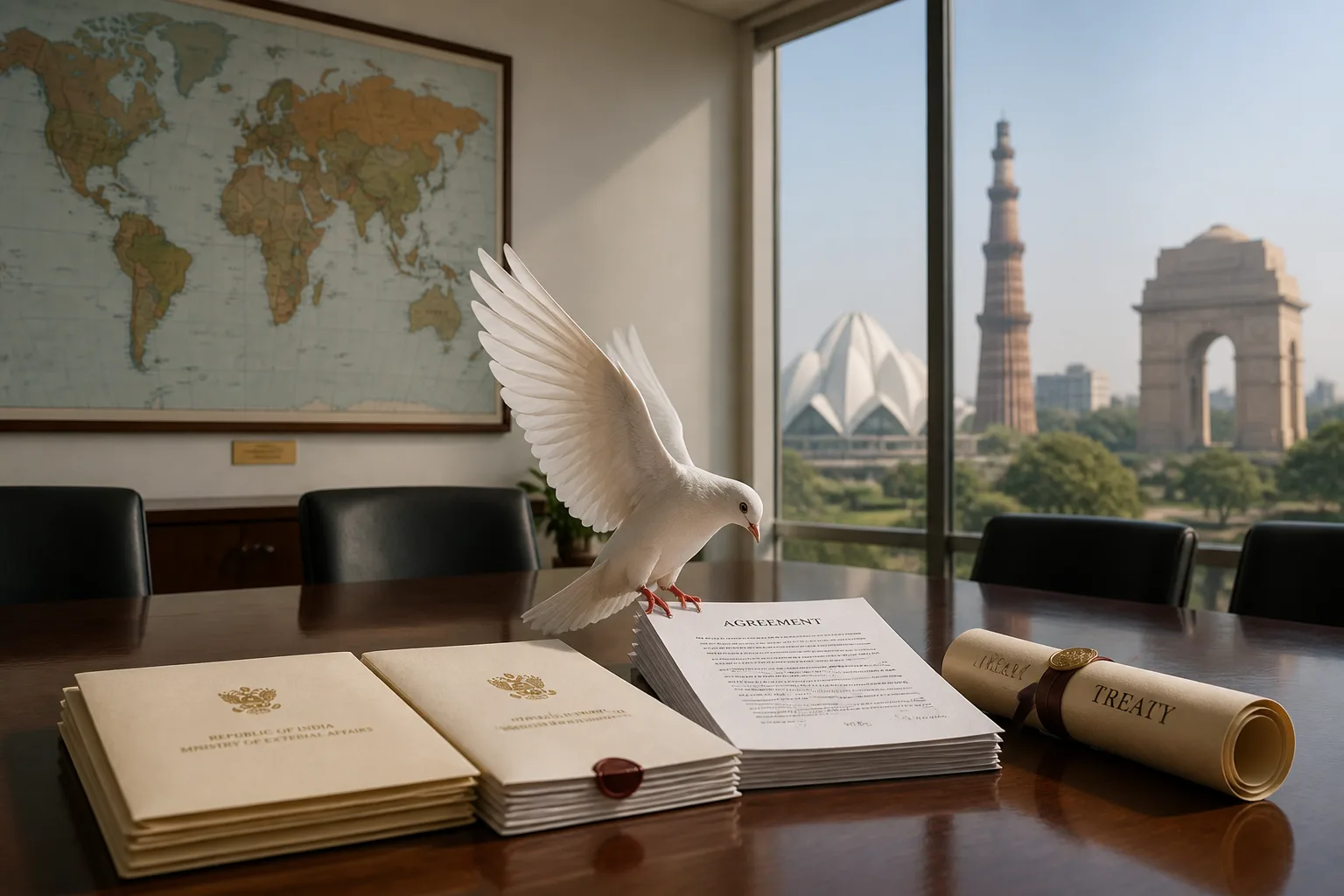
On 22‑23 June 2026, New Delhi’s National Security Council (NSC) became the stage for a pivotal two‑day gathering of the National Security Advisers (NSAs) from the BRICS bloc, with India’s NSA Ajit Doval presiding. The meeting, held in the NSC’s headquarters, marked the first major security‑focused event under India’s 2026 chairmanship and set the tone for the leaders’ summit slated for 12‑13 September in the same city.
The agenda was dominated by the lingering crises in Ukraine and the Middle East, particularly the high‑stakes tensions involving Iran. According to reports, the war in Ukraine—triggered by Russia’s full‑scale invasion in February 2022—remained the top priority, followed by the situation in Iran and its regional reverberations. Other pressing topics included the rapid rise of artificial intelligence, the evolving nature of non‑traditional warfare, cyber‑threats, and cross‑border terrorism. The NSAs also examined the security landscape in West Asia, the safeguarding of critical infrastructure against state‑sponsored cyberattacks, and preparations for the upcoming leaders’ summit.
Representatives from all ten full members of the expanded BRICS bloc—Brazil, China, India, Russia, South Africa, Egypt, Ethiopia, Indonesia, Iran, and the United Arab Emirates—joined the discussion. The meeting reflected BRICS’ broader shift from an initial economic partnership to a forum that tackles security, digital cooperation, and geopolitical challenges.
India’s role as chair has been to facilitate dialogue on these issues. The NSA’s leadership follows the country’s historic hosting of the 4th BRICS summit in 2012 and its current 2026 chairship, which places renewed emphasis on digital and security cooperation.
A key focus was the weaponization of information and the deployment of autonomous systems in conflict. Officials said the NSAs reviewed existing frameworks for cyber‑defence cooperation and discussed potential joint exercises to counter hybrid threats. Cross‑border terrorism and the protection of critical infrastructure were also highlighted. The advisers examined recent cyber‑attacks attributed to state actors and explored mechanisms for information sharing and rapid response.
In the Middle East, the bloc’s collective stance on Iran‑related tensions was framed within the wider West Asian security environment. The NSAs noted that coordination on this issue remains a priority.
The meeting also served as a preparatory step for the September leaders’ summit. The advisers agreed to draft a joint statement on security cooperation that will be presented at the summit. The statement is expected to outline common positions on the Ukraine conflict, cyber‑security, and the use of emerging technologies.
India’s hosting aligns with its vision for BRICS 2026, which includes initiatives such as the BRICS Pay payment system, the BRICS Contingent Reserve Arrangement, and the New Development Bank. These mechanisms aim to strengthen economic and financial resilience among member states.
The two‑day session was conducted in a closed‑door format, with no public press briefings. Nevertheless, the NSC released official statements summarising the agenda and key discussion points.
The security meeting underscores the bloc’s evolving role as a platform for multilateral dialogue on complex geopolitical issues and highlights the increasing importance of technology and cyber‑security in the region’s strategic calculations.
The upcoming leaders’ summit will bring together heads of state and government from the ten member countries and several partner states. While the summit is expected to address a range of topics from economic cooperation to global governance reforms, security issues are likely to remain a central theme.
The outcomes of the security advisers’ meeting will shape the agenda and potential agreements at the leaders’ summit, influencing BRICS’ collective stance on the Ukraine war, Middle East tensions, and emerging security challenges.
In the coming weeks, the bloc is expected to issue a joint statement on security cooperation, and the leaders’ summit will provide a forum for formalising its positions on these critical issues.