Keir Starmer Resigns Amid Fallout From Gaza War, British Muslim Support for Labour Plunges
On a quiet morning on 22 June 2026, Sir Keir Starmer announced that he would step down as Prime Minister and Leader of the Labour Party. His departure follows a two‑year premiership that began with a landslide victory in the 2024 general election, but was marred by a growing rift between the government and a key segment of its traditional base – British Muslims.
Starmer took the reins in 2020 after Jeremy Corbyn, moving the party toward the centre and pledging to tackle antisemitism. Yet his tenure also saw the removal of left‑wing and pro‑Palestinian voices from the party’s ranks. Under Corbyn, many Muslim voters felt hopeful about Labour’s stance on Palestine; under Starmer, that hope was replaced by a perception that the party was increasingly pro‑Israel.
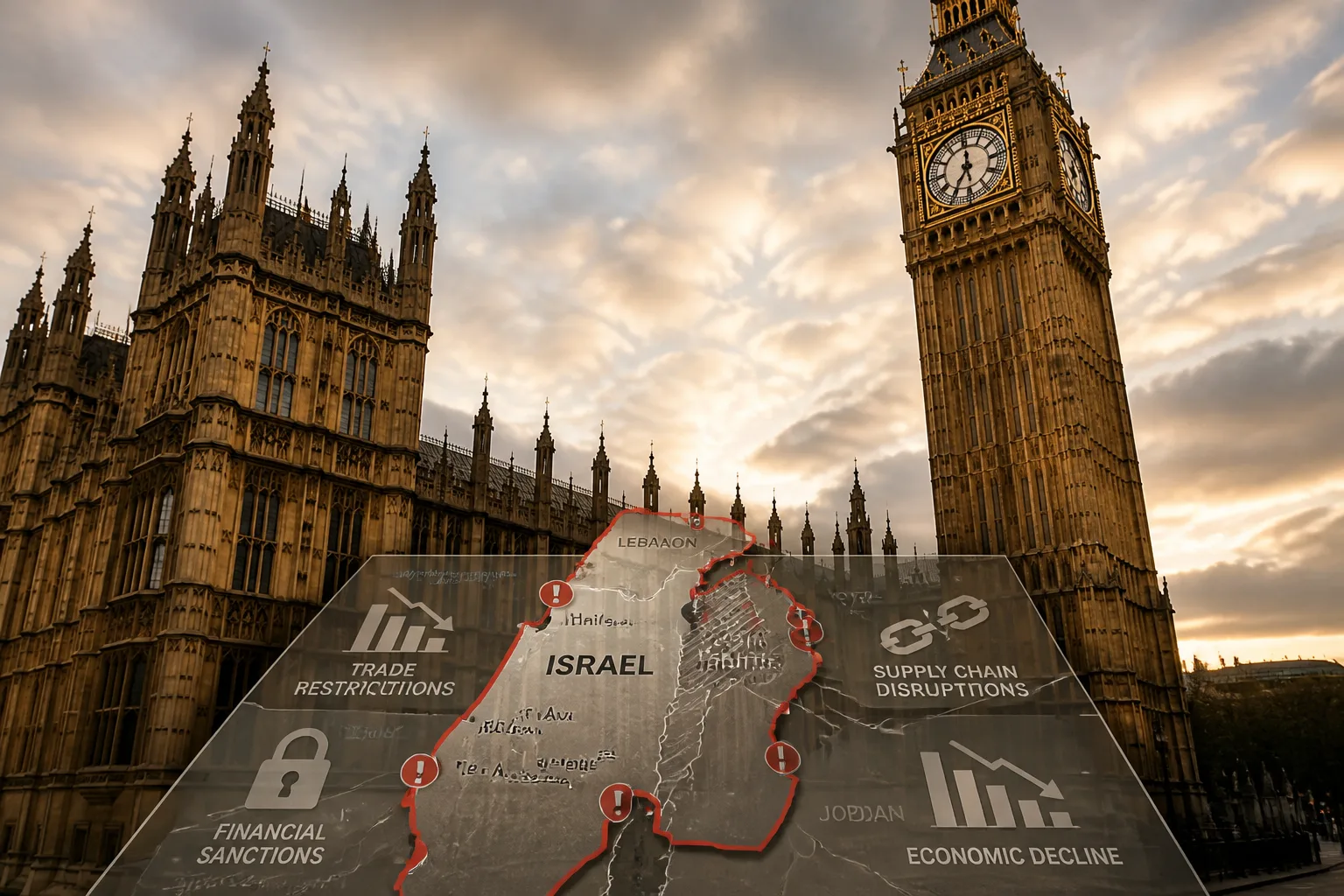
The Gaza war erupted in October 2023 when Israel launched a large‑scale assault on the Gaza Strip. In a radio interview with LBC, Starmer said he supported Israel’s right to cut power and water to Gaza as part of its siege and opposed an immediate ceasefire. Those remarks were widely interpreted by British Muslims as a justification of war crimes. According to reports, the government did not impose sanctions on Israel, did not expel the Israeli ambassador, and continued arms sales – actions that many saw as Britain’s complicity in the conflict.
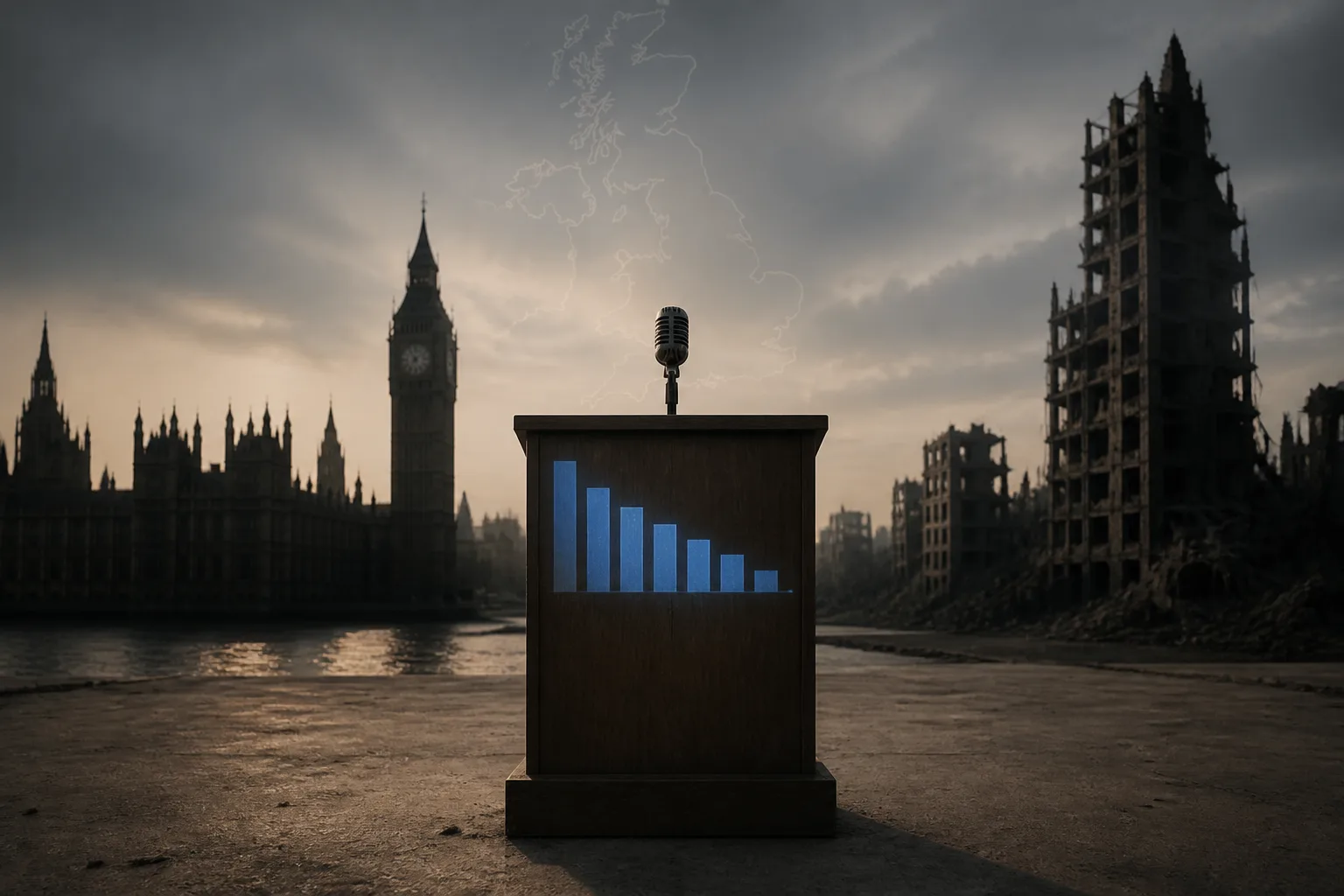
Polling data illustrate the political fallout. A Survation/Labour Muslim Network poll released in February 2024 found that support for Labour among Muslim voters fell from 86 % at the start of Parliament to 43 %. Another poll published in January 2024 reported a decline from 86 % to 60 %. The drop was most pronounced in high‑Muslim constituencies where Labour had previously enjoyed support levels approaching 80 %. Campaigns urging Muslims to abandon Labour gained momentum ahead of the 2024 election, and independent candidates and the Green Party attracted disillusioned voters.
Despite the loss of Muslim support, Labour won the 2024 general election. Analysts attribute the victory to the Conservative Party’s collapse after years of scandal and economic decline, rather than to enthusiasm for Starmer. However, the erosion of the Muslim‑Labour bond has had lasting effects. Local elections in 2025 and 2026 saw a surge in anti‑Labour sentiment, and in some constituencies support for Labour fell to around 30 %.
The Labour Party’s new leadership – expected to be Andy Burnham – faces the daunting task of rebuilding trust with British Muslims. According to the party’s own statements, restoring confidence will require more than rhetoric; it will need concrete measures such as halting arms sales to Israel, imposing sanctions, and taking a firm stance against the Zionist lobby. Without such actions, the exodus of Muslim voters is likely to continue.
Starmer’s legacy will therefore be defined not by the 2024 electoral victory but by his record on the Gaza war and his treatment of pro‑Palestinian voices within Labour. His resignation marks the end of a controversial premiership that saw Britain’s relationship with Israel and its Muslim population come under intense scrutiny.
The current situation is that Labour is in a transition period, with a new leader yet to be confirmed. The party must decide how to address the alienated Muslim electorate if it wishes to remain competitive in future elections.