Palestinian Health Ministry Reports 73,032 Deaths and 173,357 Injuries in Gaza Since October 2023 Conflict
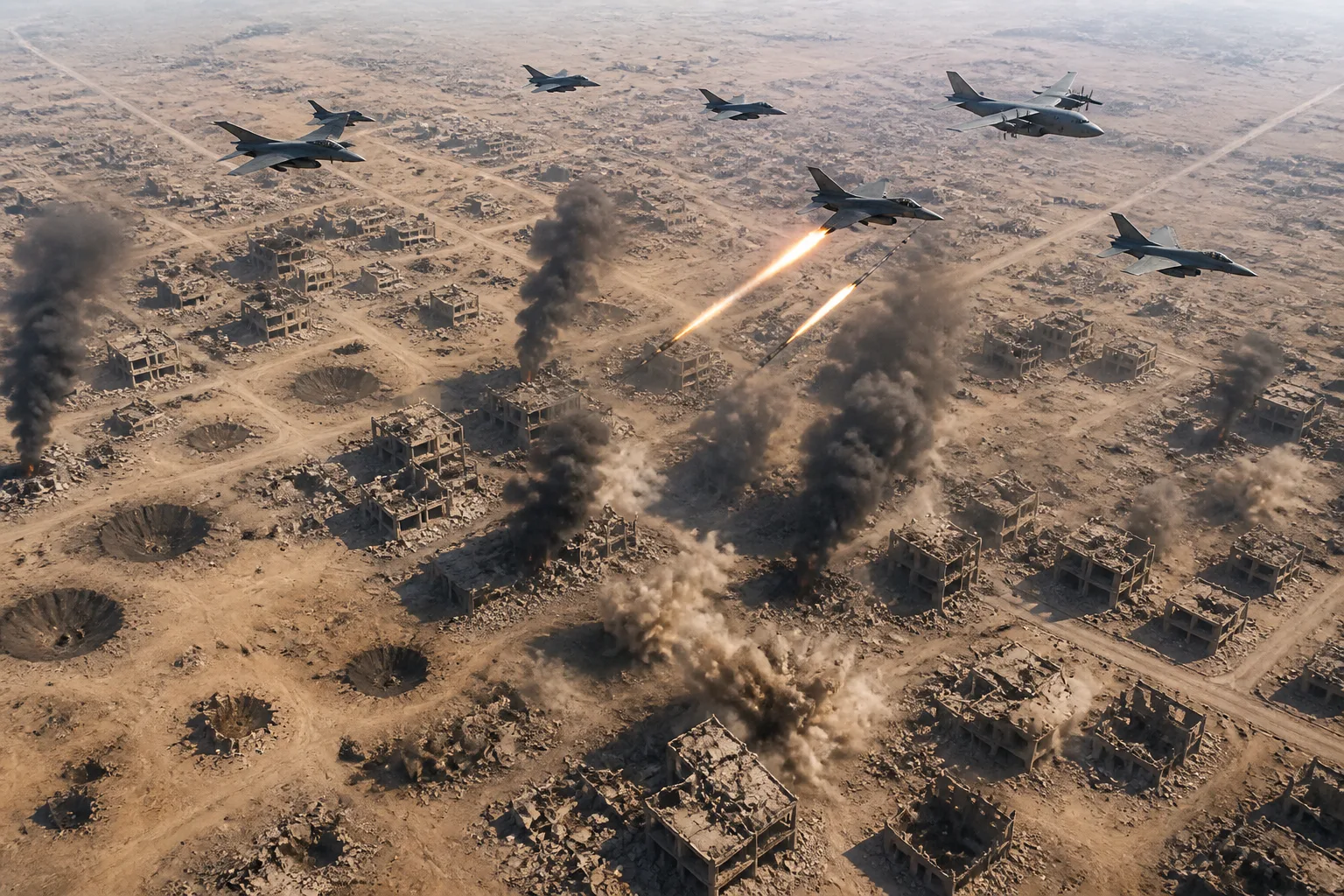
On Monday, the Palestinian Health Ministry in Gaza announced that the death toll from Israel’s military campaign has climbed to 73,032, with more than 173,000 wounded. In the last 24 hours alone, hospitals received nine new bodies and 41 injured patients.
The ministry also noted that 1,021 Palestinians have been killed and 3,249 wounded since the ceasefire agreement reached last year, underscoring that attacks and military operations persist in parts of the territory.
The hostilities began on 7 October 2023 when Hamas launched a surprise assault on Israel, killing 1,195 Israelis and foreign nationals and taking 251 hostages. Israel’s subsequent large‑scale offensive has devastated Gaza’s infrastructure, displaced its population, and caused widespread destruction.
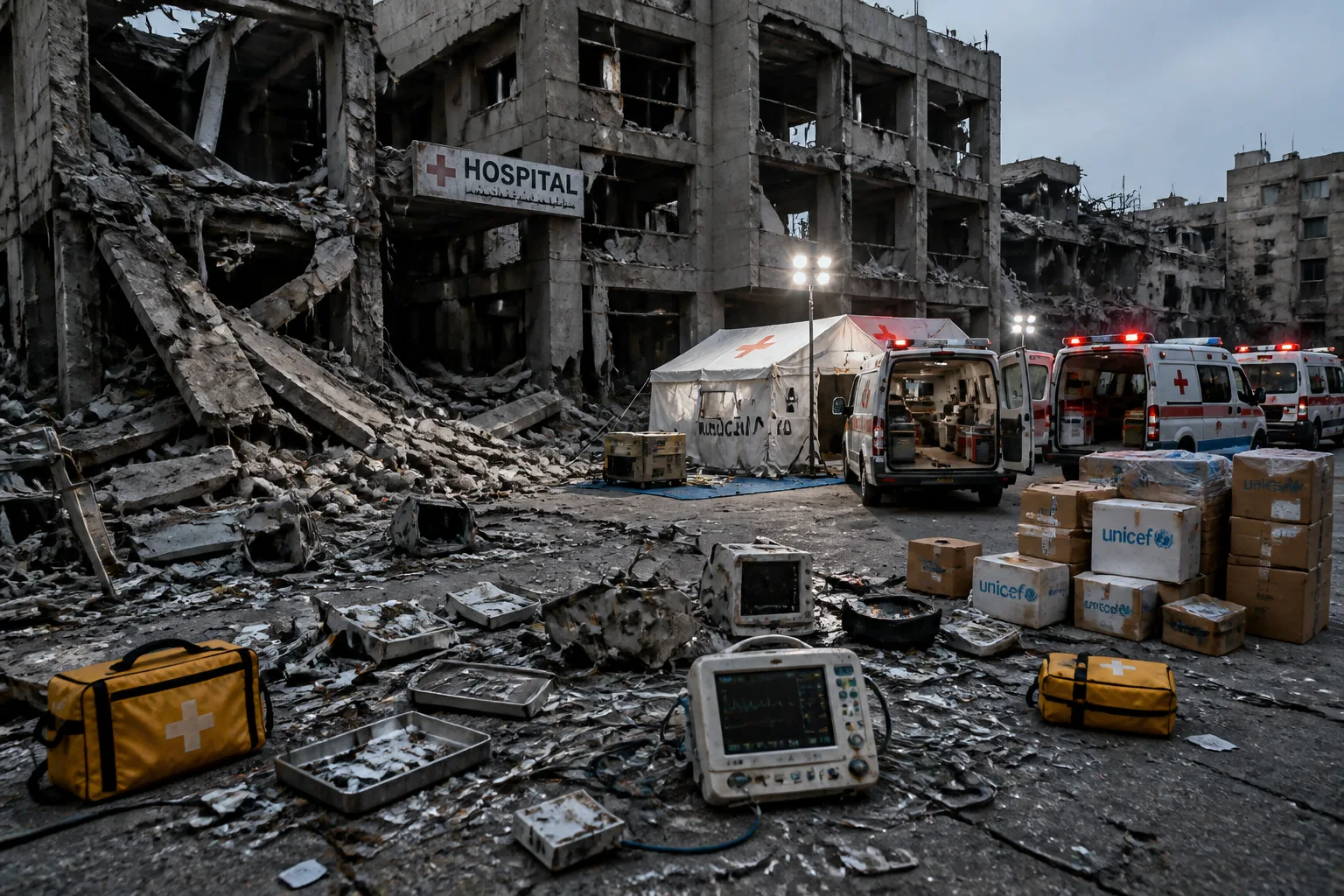
International humanitarian organisations and United Nations agencies have repeatedly warned that Gaza’s humanitarian crisis is worsening. They cite acute shortages of food, medicine, fuel, and clean water, and alarm over the collapse of healthcare services and the growing number of civilians in need of emergency assistance.
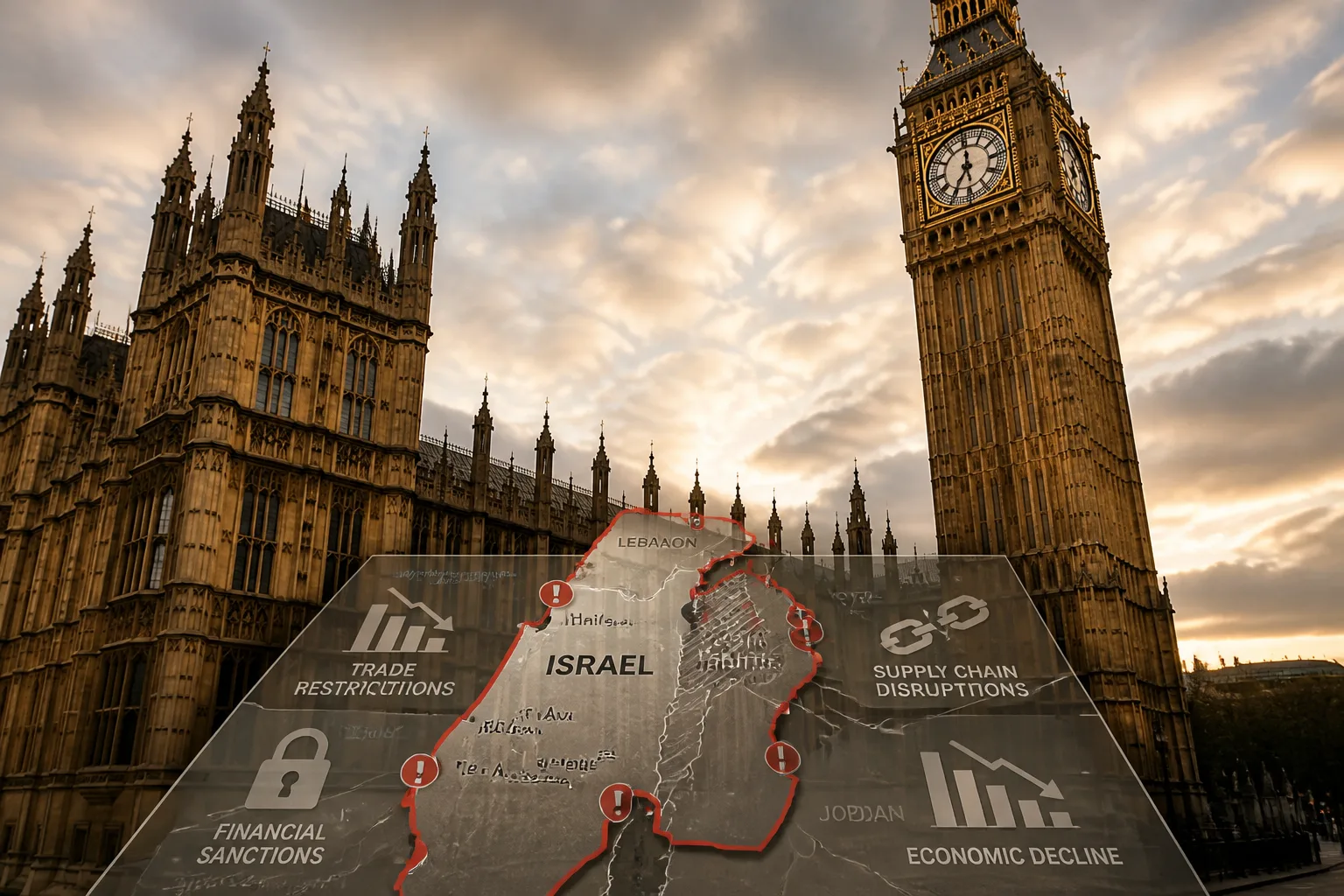
The war remains a central source of instability in the Middle East. Diplomatic efforts involving regional and international mediators continue, but recent discussions—linked to broader regional negotiations, including U.S.–Iran contacts—highlight concerns that ongoing violence in Gaza could further destabilise the region.
Palestinian authorities have stated that many victims remain trapped beneath rubble from destroyed buildings, suggesting that the actual number of casualties may be higher than the official figures. Israel has disputed some of the casualty statistics published by Gaza authorities, while international organisations note that independent verification remains difficult under current conditions.
These figures are the most recent official data available and reflect the cumulative toll of the conflict, which has already caused significant loss of life and injury. They also illustrate the ongoing nature of hostilities, as new casualties continue to be reported even after the ceasefire.
The humanitarian situation in Gaza is dire. Hospitals are operating under severe strain, with limited supplies of medicine and electricity. The United Nations Office for the Coordination of Humanitarian Affairs (OCHA) has documented that fuel reserves for generators at hospitals are nearly exhausted, putting patients and newborns at grave risk.
Aid agencies have called for an unrestricted humanitarian ceasefire and immediate, safe, and unhindered delivery of assistance throughout Gaza. They argue that sustained, large‑scale aid flows are essential to prevent further loss of life.
The conflict’s impact extends beyond Gaza’s borders. It has heightened tensions across the Middle East, affecting diplomatic relations and security calculations in neighboring countries. The continued violence raises the risk of spill‑over into other regions, prompting international actors to seek mechanisms to contain the escalation.
At present, no new ceasefire or peace agreement has been announced. The Palestinian Health Ministry continues to update casualty figures as new cases arrive at hospitals. The international community remains engaged in monitoring the situation and advocating for humanitarian access and protection of civilians.
The current situation underscores the urgent need for a comprehensive resolution to the conflict, the protection of civilian lives, and the restoration of essential services in Gaza.