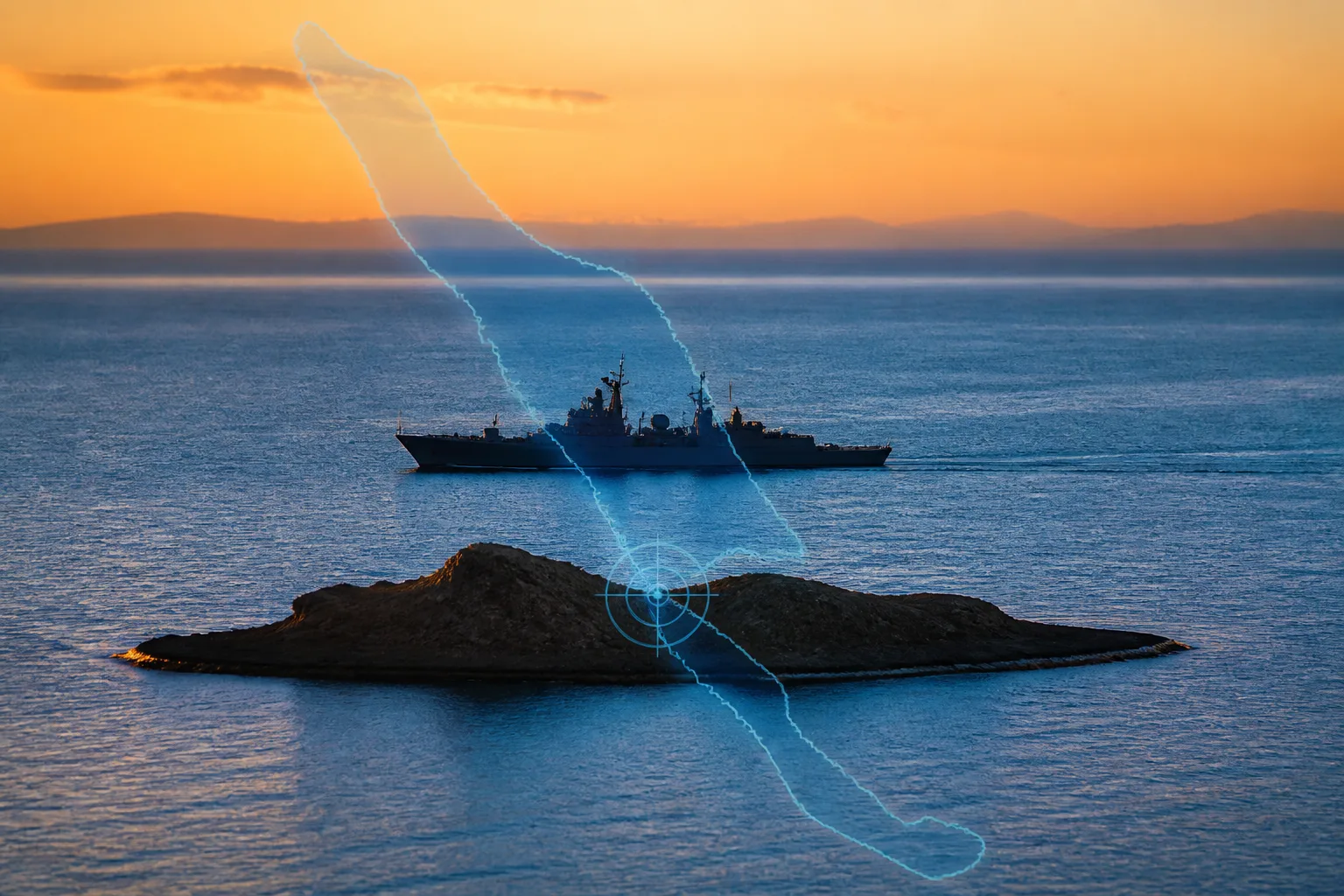
U.S.-Iran Memorandum of Understanding Signed in Switzerland, Lifting Naval Blockade and Reopening Strait of Hormuz
On 17 June 2026, a historic dinner at the Palace of Versailles brought together President Donald Trump and Iranian President Masoud Pezeshkian, French President Emmanuel Macron, and a delegation of U.S. and Iranian officials. In front of the gilded halls of the former royal residence, the two leaders signed the Islamabad Memorandum of Understanding, formally ending the hostilities that had erupted on 28 February 2026 after a joint U.S.–Israeli strike on Iranian targets. The agreement was mediated by Pakistan and Qatar and, once signed, was immediately confirmed by both governments.
The Islamabad Memorandum extends the ceasefire that had been in effect since 12 June 2026 for an additional 60 days and contains four key provisions:
1. Reopening of the Strait of Hormuz – The U.S. naval blockade imposed on 13 April 2026 is lifted. The strait, which had been closed by Iran in retaliation for the U.S. and Israeli attacks, will be open to commercial shipping on a toll‑free basis for 60 days. 2. Release of frozen Iranian assets – The accord calls for the unfreezing of Iranian assets held under U.S. sanctions, providing a potential source of revenue for the Iranian economy. 3. Private investment fund – A proposed $300 billion private reconstruction fund is included. Its final structure and governance remain to be negotiated. 4. Sanctions relief – The MoU temporarily waives, but does not eliminate, sanctions on Iranian oil exports, allowing Iran to resume selling crude on the world market and restoring a revenue stream worth hundreds of billions of dollars.
While the memorandum lays the groundwork for a comprehensive settlement, it leaves unresolved several critical issues. The status of Iran’s nuclear program, the disposal of its highly enriched uranium, its ballistic missile programme, and its network of non‑state allies in the region are deferred to future talks scheduled during the ceasefire extension.
The conflict that led to the MoU began with a coordinated U.S.–Israeli operation, codenamed Roaring Lion and Operation Epic Fury, which targeted key Iranian military and political leaders. The operation included the assassination of Supreme Leader Ali Khamenei and the destruction of a number of Iranian military facilities. Airstrikes on Iranian territory, including university buildings and other civilian infrastructure, escalated the war into a broader confrontation.
During the hostilities, the U.S. imposed a naval blockade on Iranian ports on 13 April 2026 to prevent the transfer of weapons to non‑state actors. The blockade was lifted on 14 June 2026 following the signing of the MoU. International shipping companies, which had faced delays and higher insurance costs, welcomed the reopening of the Strait of Hormuz.
Vice President James David Vance, who served as the U.S. negotiator, has been a central figure in the diplomatic effort. According to a report by Al Jazeera, Vance urged Israeli officials to consider the broader implications of continued military operations in the region and emphasized the need for a diplomatic solution that balances U.S. security interests with regional stability.
Analysts describe the MoU as a framework agreement rather than a final peace treaty. It aims to lay the groundwork for a comprehensive settlement that would address the unresolved issues of Iran’s nuclear program, missile development, and regional influence. Both sides have agreed to continue negotiations during the 60‑day ceasefire period.
The economic implications are significant. The reopening of the Strait of Hormuz is expected to reduce shipping costs and restore confidence in the global oil market. The release of frozen assets and the potential for private investment could provide a much‑needed boost to the Iranian economy, which has been severely impacted by sanctions and war‑related destruction.
On the diplomatic front, the MoU signals a shift in U.S. policy toward Iran, moving away from the maximum‑pressure strategy that dominated the previous administration. Regional partners such as Pakistan and Qatar, who played key roles in the mediation, welcomed the agreement.
In the weeks after signing, U.S. officials said the next steps would involve detailed negotiations on Iran’s nuclear programme and the governance of the proposed reconstruction fund. The Iranian government expressed cautious optimism, while the U.S. Treasury Department stated it would monitor the implementation of sanctions relief.
The Islamabad Memorandum marks a turning point in the 2026 Iran war, ending active hostilities and opening a path toward a comprehensive settlement. The international community will closely watch the implementation of the agreement and the progress of subsequent negotiations.