US-Iran Memorandum of Understanding Signed Amid G-7 Summit, Raising Questions for India
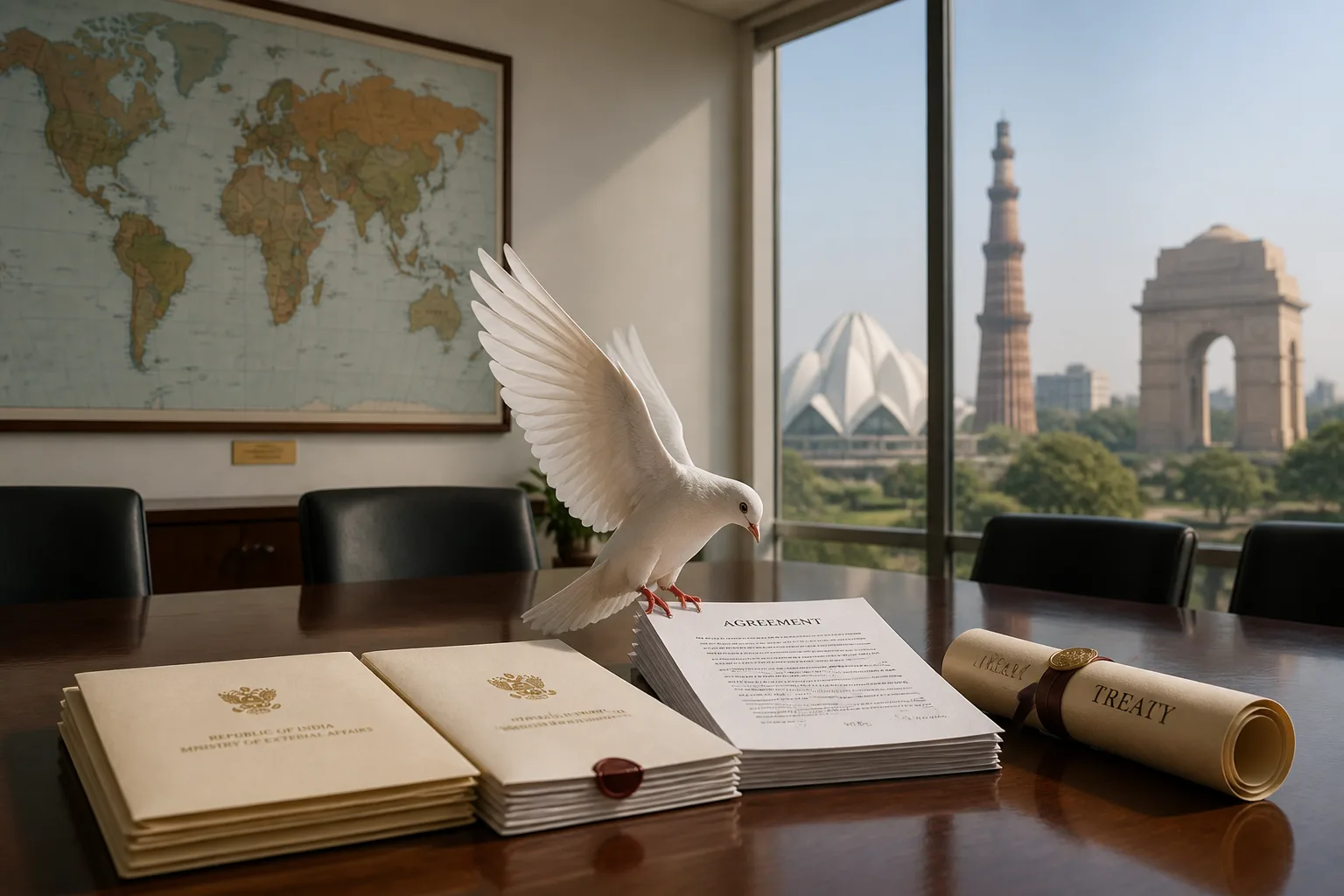
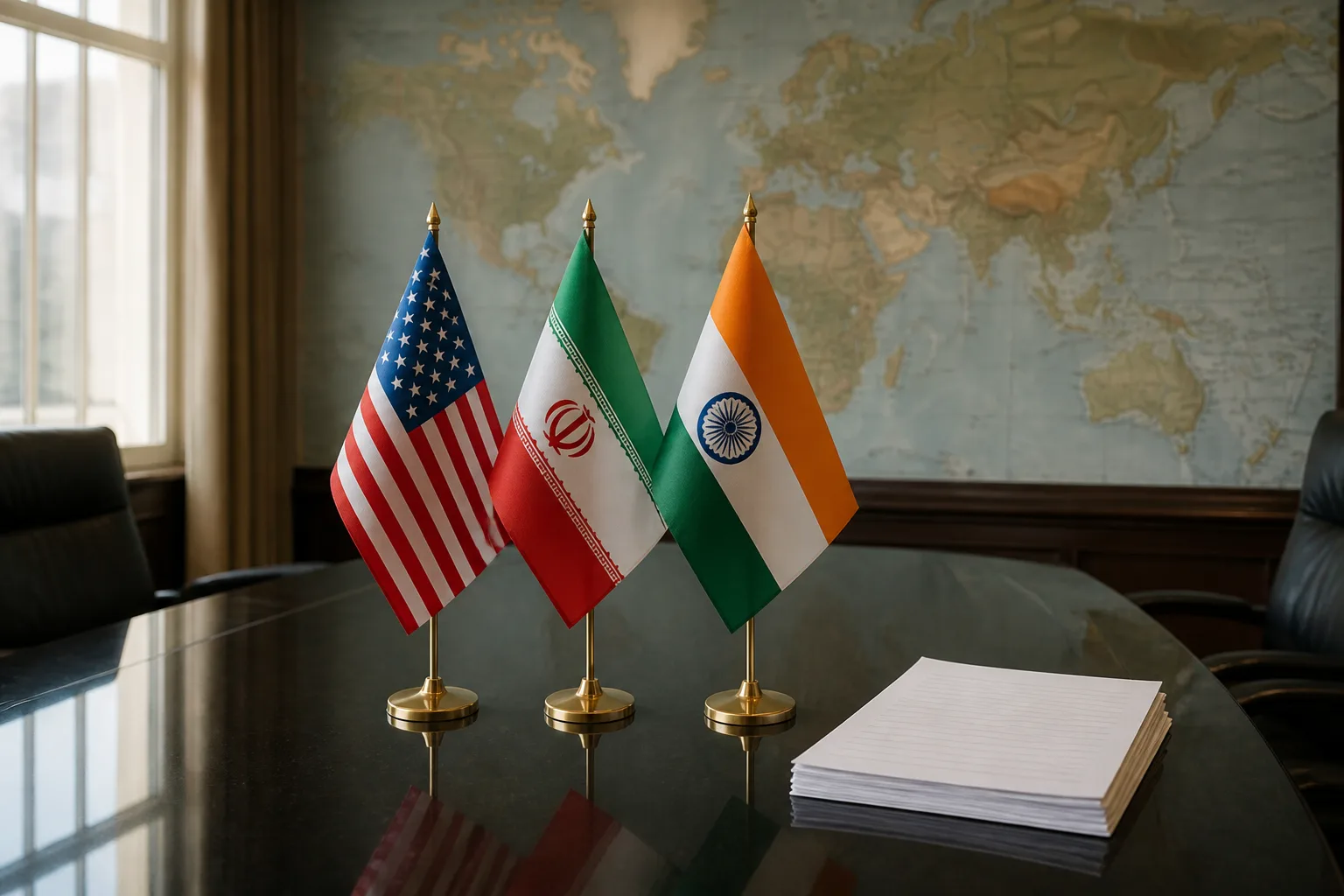
On 17 June 2026, amid the glow of the G‑7 summit in Évian‑les‑Bains, France, Washington and Tehran inked a memorandum of understanding that could reshape the Middle East and ripple through global diplomacy. The U.S. and the Islamic Republic of Iran, after a three‑month clash that began on 28 February, agreed to extend their cease‑fire for up to 60 days, with the possibility of further talks on Iran’s nuclear program, the disposal of highly enriched uranium, sanctions relief and the return of frozen assets.
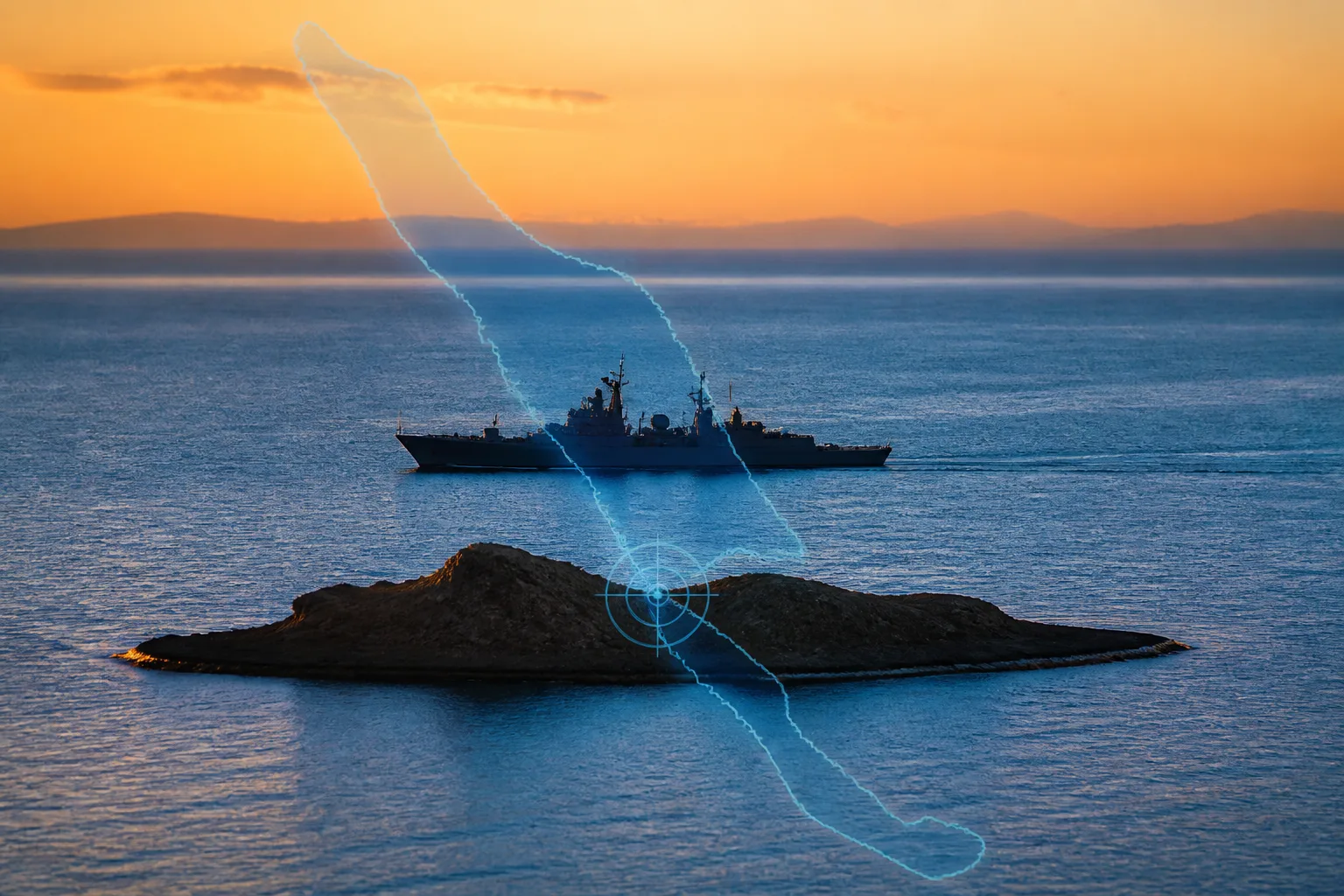
The MoU, brokered by Pakistan and Qatar, also lifted the U.S. naval blockade of the Strait of Hormuz—a choke point that had been closed for most of the war. The accord calls for the removal of mines and the reopening of the waterway to commercial shipping, signalling a cautious return to normalcy.
Although full diplomatic ties remain suspended, this memorandum marks the first formal step toward a negotiated settlement since the 1979 revolution. It was unveiled during the G‑7 summit, which ran from 15 to 17 June and drew leaders from Canada, France, Germany, Italy, Japan, the United Kingdom, the United States and the European Union.
On the summit’s final day, U.S. President Donald Trump and Indian Prime Minister Narendra Modi met bilaterally. Their conversation covered trade, technology, defense cooperation, visa policy and global security, all set against the backdrop of the new MoU. The timing underscored how U.S. foreign policy, Middle Eastern security dynamics and India’s diplomatic calculations are increasingly intertwined.
India’s position in the region has long been a balancing act. Over the past three decades, New Delhi has cultivated ties with the United States, Iran and the Gulf Arab states, juggling economic interests, security concerns and diplomatic outreach. The MoU’s arrival—coinciding with the G‑7 summit and the Modi‑Trump meeting—highlights a shifting geopolitical landscape and India’s evolving role within it.
The conflict that led to the cease‑fire began when Israel and the United States launched a joint strike on Iranian military targets on 28 February. Codenamed Roaring Lion by Israel and Operation Epic Fury by the U.S., the assault aimed at regime change and included the assassination of Iranian Supreme Leader Ali Khamenei. The operation triggered a broader confrontation involving the three countries.
After more than three months of hostilities, the U.S. and Iran agreed to halt fighting on 14 June, mediated by Pakistan and Qatar. The MoU, signed three days later, is not a final peace treaty but a 60‑day extension of the cease‑fire, intended to create a window for negotiations on nuclear limits and sanctions relief.
India’s diplomatic engagement in the Middle East has been constrained by limited military capacity and the region’s conservative, patriarchal political cultures. Nevertheless, India has sought to strengthen ties with Gulf states, attract investment and maintain a balanced relationship with Israel, Iran and other Arab nations.
The G‑7 summit’s focus on global challenges—trade, technology, security and climate—provided a platform for India to signal its willingness to engage with the United States on shared interests while navigating the complex dynamics of the Middle East.
The MoU’s implications for India are multifaceted. A stable U.S.–Iran relationship could reduce security risks for Indian shipping in the Gulf, while a renewed U.S. presence in the region may influence India’s economic and strategic calculations. At the same time, India’s growing engagement with Gulf Arab states and its need for investment in infrastructure projects could be affected by changes in U.S. policy toward Iran.
In the immediate term, the U.S. and Iran will enter a 60‑day negotiation period to address nuclear limits, sanctions relief and the reopening of the Strait of Hormuz. The outcome of these talks will shape the security environment in West Asia and influence India’s diplomatic posture toward the United States, Iran and Gulf partners.
The MoU, signed in Switzerland, represents a tentative step toward a broader settlement in a region where peace has historically been fragile. Its success will depend on the willingness of both sides to engage in sustained dialogue and on the broader geopolitical context shaped by events such as the G‑7 summit and India’s diplomatic outreach.