IMO Launches Evacuation of 11,000 Stranded Sailors from Strait of Hormuz
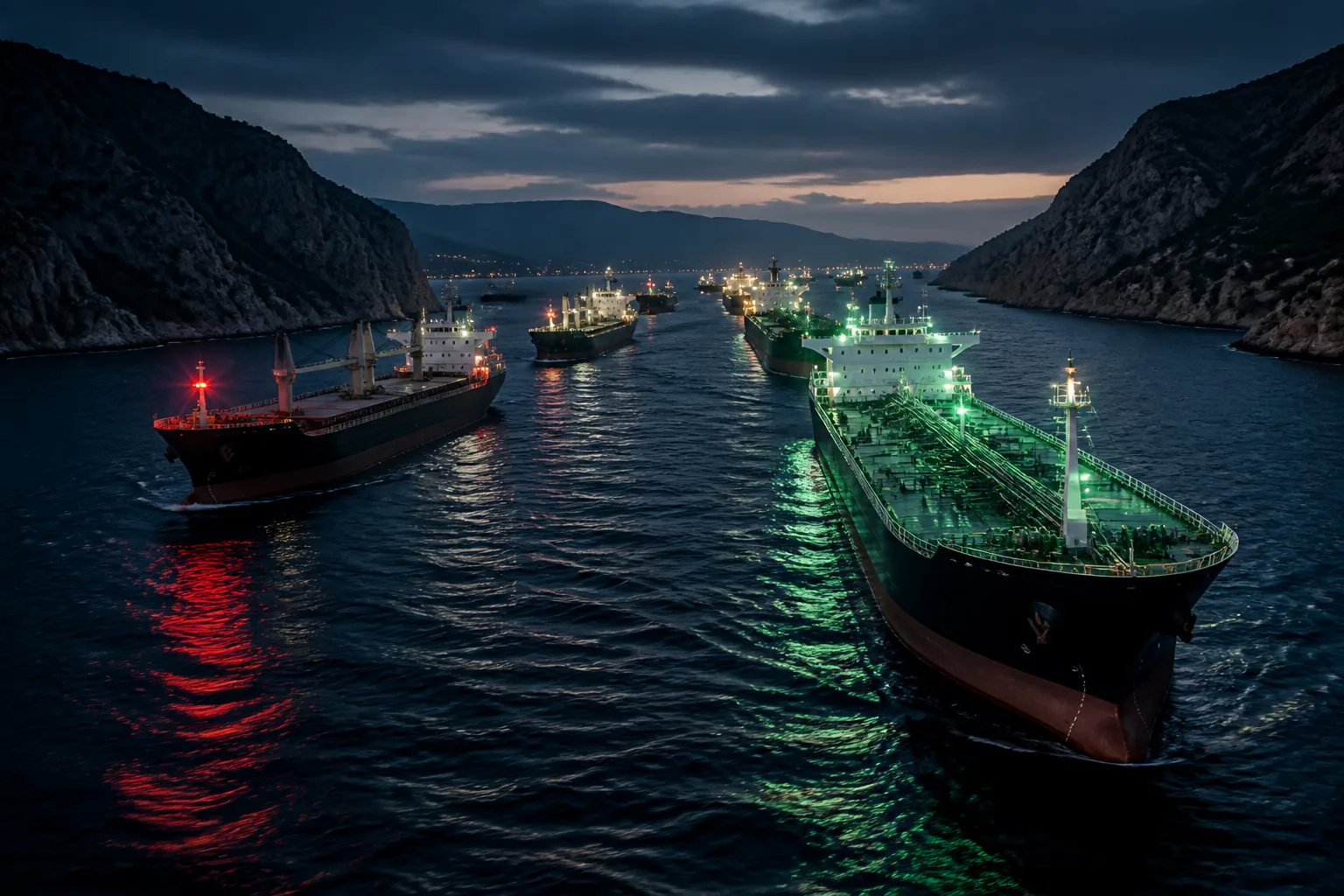
The International Maritime Organization (IMO) announced on Tuesday that it will begin a large‑scale evacuation of more than 11,000 sailors who have been stranded in the Persian Gulf since the war between the United States and Iran began on 28 February 2026. The operation will take place in the Strait of Hormuz, the narrow waterway that connects the Gulf to the open ocean.
In a statement, IMO Secretary‑General Arsenio Dominguez said the evacuation will be carried out in close cooperation with Iran, Oman, all other coastal states in the region, the United States and the maritime industry. He added that the organization has secured safety guarantees and verified conditions for safe navigation, and that it remains committed to ensuring the safety of seafarers and the continuity of global trade.
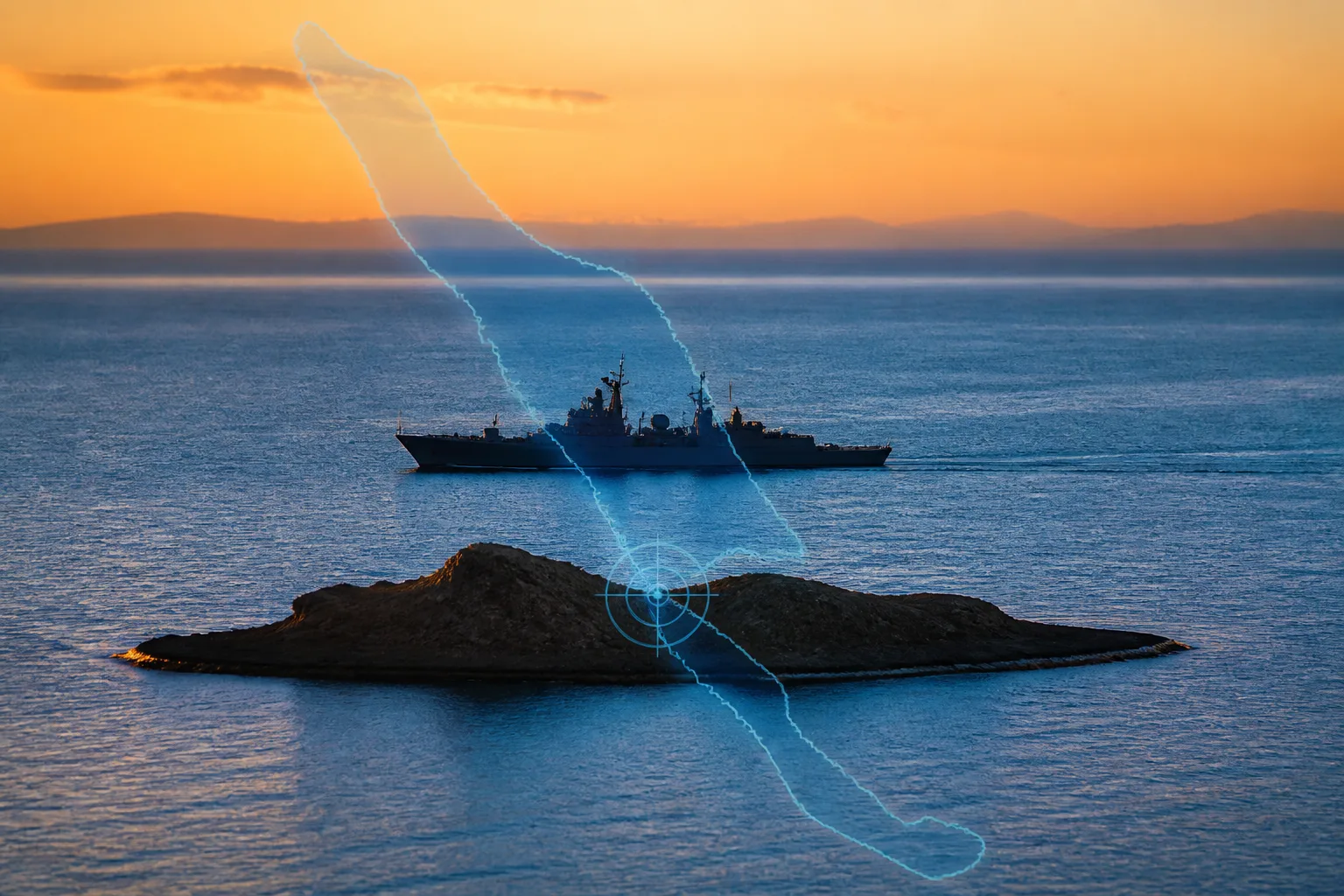
The strait was effectively closed by Iranian forces after the U.S. and Israel launched air strikes on 28 February 2026. The closure halted the passage of commercial vessels and disrupted the flow of oil and gas that normally moves through the strait. The United States imposed a naval blockade on Iranian ports in mid‑April, and the region experienced a dual blockade that lasted until the memorandum of understanding was signed.
The memorandum of understanding, signed on 14 June 2026, ended hostilities between the United States and Iran and called for the reopening of the Strait of Hormuz. The United States lifted its naval blockade on 18 June, and the strait was cleared of mines and reopened to shipping. The agreement also set a 60‑day window to negotiate further terms on Iran’s nuclear program, sanctions relief and the release of frozen assets.
The evacuation plan follows the reopening of the strait and the lifting of the blockade. IMO officials say the operation will involve escort vessels and coordination with local authorities to move stranded crews to safe ports. The organization has not yet released a detailed schedule, but it expects the process to be completed within the next few weeks.
The United States has also been involved in the process. President Donald Trump said on Tuesday that United Nations inspectors would visit Iranian nuclear sites and that inspections would begin “at the appropriate time.” He dismissed criticism of the U.S.–Iran agreement as “uneducated” and said the U.S. would not rush the inspections.
The evacuation is expected to relieve the hardship and distress reported by seafarers who have been stranded for months. According to the IMO, the closure of the strait created a negative impact for the global shipping community and for the world economy, which relies on the strait for about a quarter of the world’s oil trade.
The operation is also a sign of the broader effort to restore maritime security in the region. The IMO’s statement praised the signing of the memorandum as a decisive step toward ending unacceptable attacks against civilian shipping.
The current status of the evacuation is that the IMO has begun the operation in the Strait of Hormuz. The organization is coordinating with regional authorities and the U.S. Navy to ensure safe passage for the stranded sailors. No further details on the timeline have been released.
The evacuation will likely complete within the next few weeks, after which the remaining seafarers will be transferred to ports in Iran, Oman, or other coastal states. The operation is part of a wider effort to normalize maritime traffic in the Persian Gulf after months of conflict and blockade.
The evacuation underscores the importance of the Strait of Hormuz as a critical chokepoint for global energy trade and the need for international cooperation to maintain safe navigation in times of conflict.