India Hosts BRICS Security Leaders as Strait of Hormuz Reopens, Energy Security Gains Focus
On 22‑23 June 2026, New Delhi transformed into a hub of international security dialogue when the 16th BRICS National Security Advisers (NSAs) convened. The two‑day meeting marked the first high‑level gathering of the bloc’s security chiefs since BRICS expanded to 11 members.
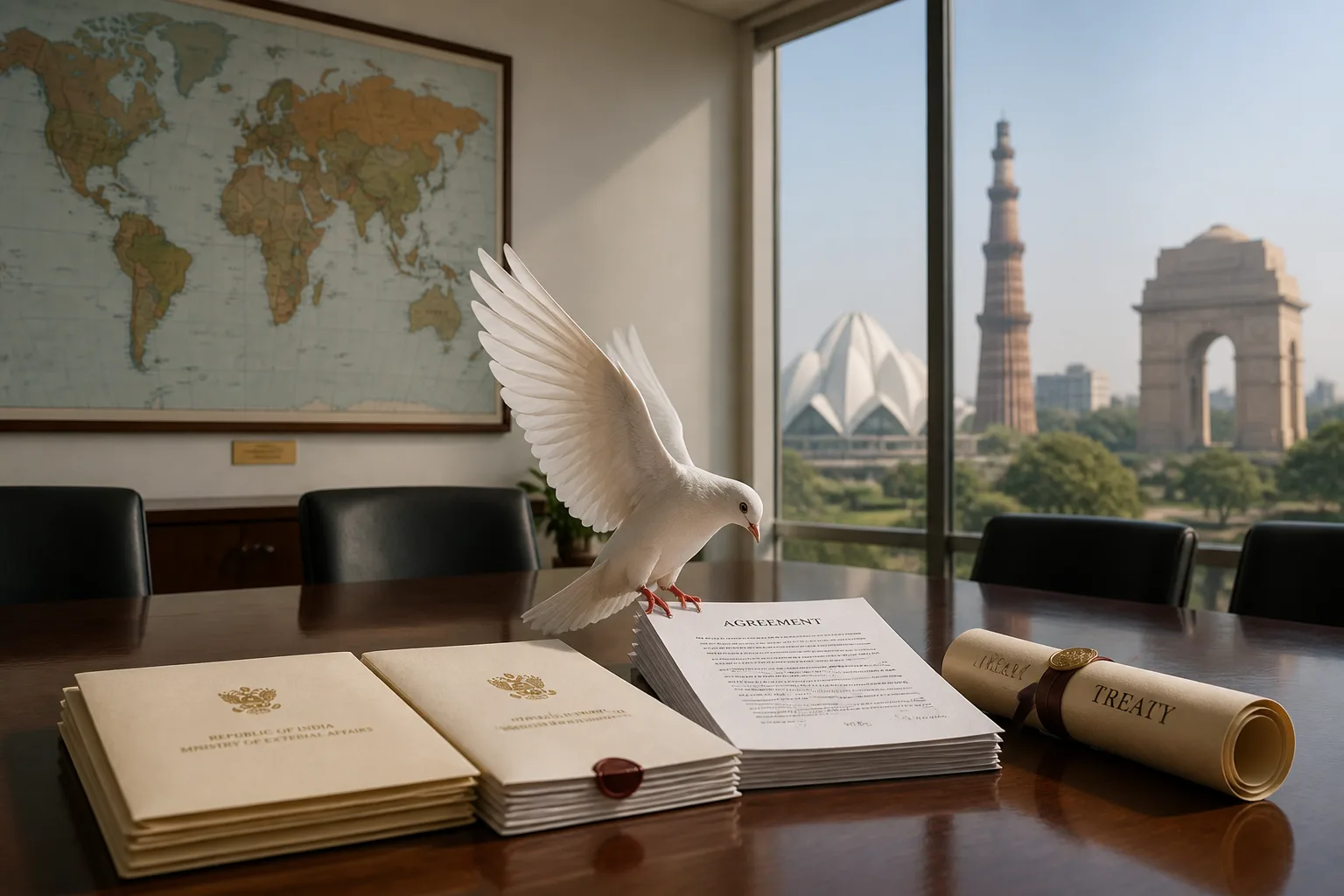
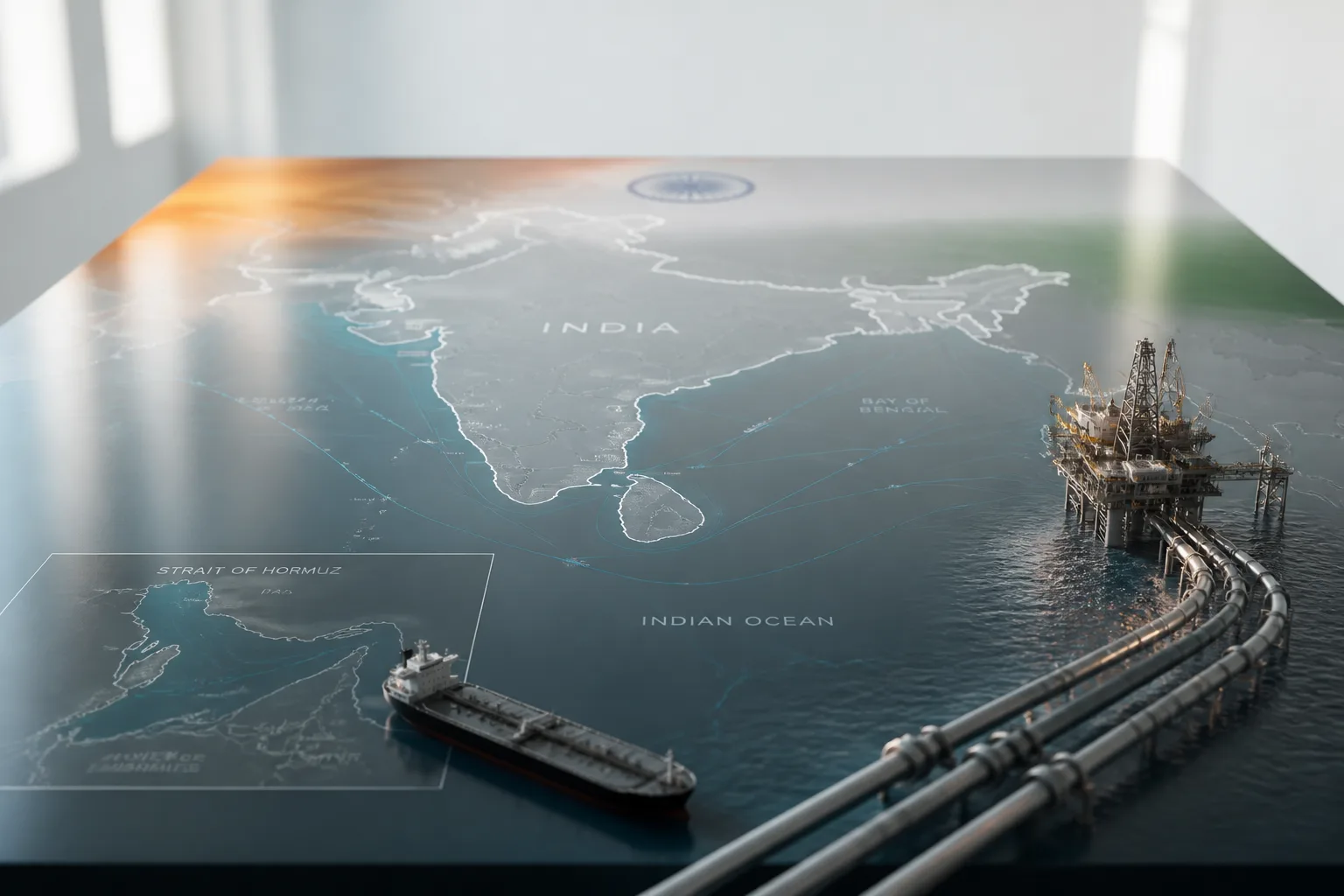
Chairing the session was India’s National Security Advisor Ajit Doval, who opened the proceedings on television and welcomed counterparts from China, Russia, Iran, the United Arab Emirates, Egypt, Ethiopia, Brazil, South Africa, Indonesia, and the United States. Doval’s opening remarks centered on the recent reopening of the Strait of Hormuz, a critical chokepoint that had been closed in February 2026 amid regional tensions. He described the event as “a very welcome development” that would “remove supply‑chain bottlenecks and address shortages in sectors like fertilisers and chemicals.” The NSA also highlighted the Memorandum of Understanding signed between the United States and Iran, noting that India harboured “cautious optimism” that the agreement would strengthen energy security.
The conclave brought together senior officials such as Chinese Foreign Minister Wang Yi, Russian NSA Sergei Shoigu, and Iranian security official Ghadir Nezamipour. Doval announced that the meeting would review the outcomes of two BRICS joint working groups on counter‑terrorism and examine the broader security environment, including non‑traditional threats and the risks posed by disruptive technologies.
Emphasising India’s role as chair, Doval remarked that BRICS “has a very special role to play in this world, which appears to be in turmoil.” He cited the bloc’s representation of roughly 49.5 % of the global population, 40 % of world GDP, and 26 % of international trade as evidence of its influence. The NSA recalled that BRICS was originally conceived as an informal forum of emerging economies to promote economic cooperation and strengthen the voice of the Global South. Since its founding in 2009, the bloc has expanded to include Egypt, Ethiopia, Iran, and the United Arab Emirates in 2024, and Indonesia in 2025.
During the session, Doval warned that “the threats are compounding, and the instruments and institutional mechanisms are increasingly finding themselves to be inadequate to resolve or mitigate these conflicts.” He added that multilateralism was “on the decline” and that BRICS must step up to address global challenges. The NSA outlined the group’s long‑term objectives, including reforms in global governance, the establishment of the New Development Bank, and initiatives aimed at de‑dollarisation.
The meeting also served as a platform for discussing the practical implications of the Strait of Hormuz reopening. Doval highlighted that the resumption of oil and gas flows through the channel would stabilize global energy markets and reduce volatility that had surged during the closure. He noted that the reopening would also benefit downstream industries, particularly those dependent on petrochemicals for fertilizer production.
In closing, Doval reiterated the need for BRICS to remain engaged in counter‑terrorism efforts and to adapt to emerging security threats. He said the bloc’s joint working groups would continue to refine strategies to counter non‑traditional security challenges that transcend national borders.
The two‑day conclave concluded with a consensus that BRICS would continue to pursue its agenda of economic cooperation, security collaboration, and institutional reform, while monitoring the evolving geopolitical landscape that affects the Arab world and the broader international community.