Iran to Hold State Funeral for Supreme Leader Ali Khamenei in Tehran, Qom, Mashhad and Iraqi Holy Cities
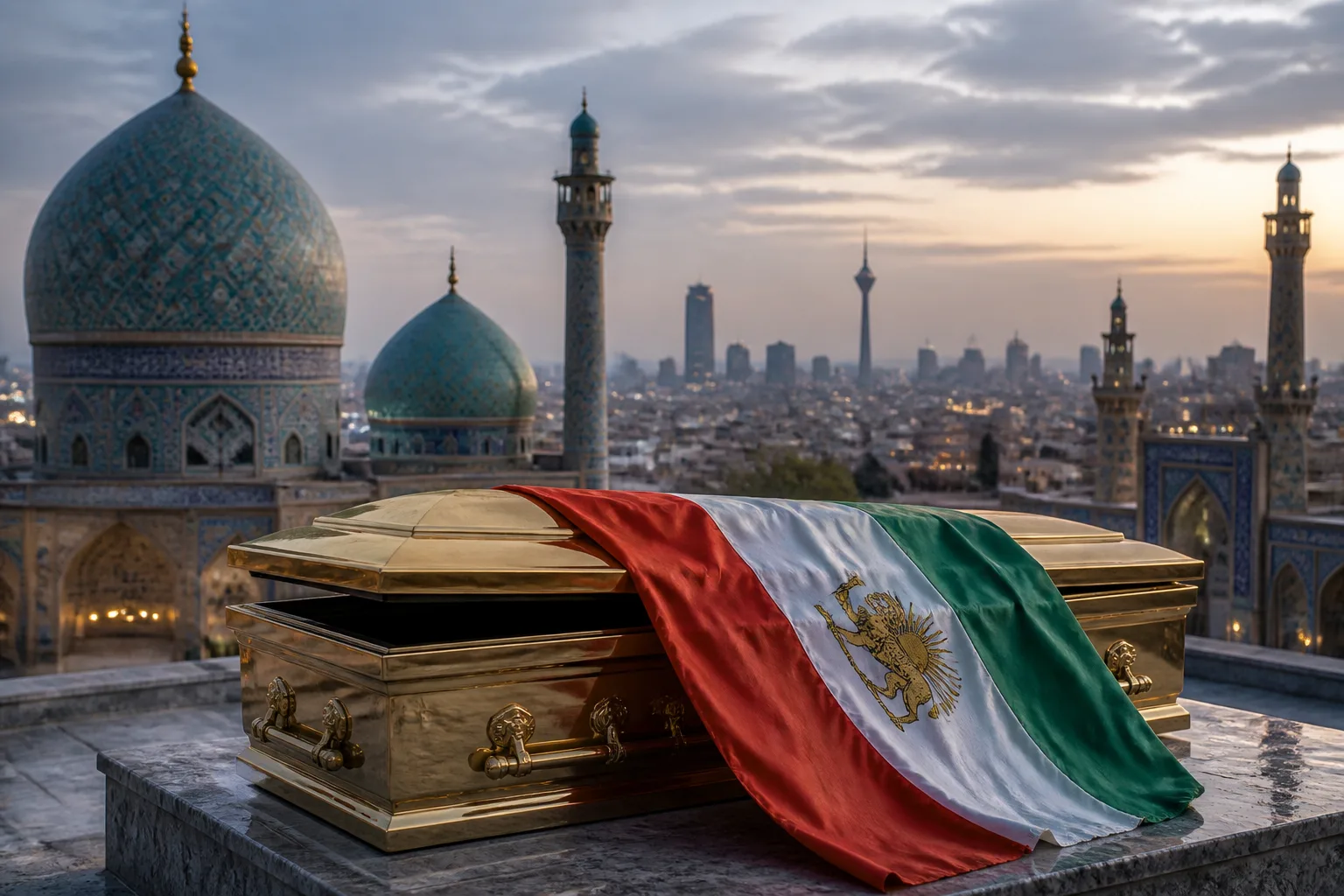
A state funeral for Iran’s former Supreme Leader Ayatollah Seyed Ali Khamenei is scheduled to begin on Saturday, 4 July (19 Muharram) and will be held in Tehran, Qom, Mashhad and the Iraqi holy cities of Najaf and Karbala, officials said on Monday.
The funeral follows Khamenei’s assassination on 28 February 2026 during the ongoing Iran‑Israel conflict. The Supreme Leader, who had led the Islamic Republic since 1989, was killed in an air strike that also claimed the lives of several of his close aides. The death has triggered a nationwide mourning period and a series of state‑sponsored ceremonies.
According to the spokesperson for the committee in charge of commemorating the martyred Leader, the official farewell ceremony will span two days. The first day, on 4 July, will be held at Tehran’s Imam Khomeini Grand Musalla, the largest mosque in the capital. Funeral prayers will then be performed in Tehran, Qom and Mashhad, with the procession in Tehran scheduled for Monday, 6 July and in Qom on Tuesday, 7 July.
The spokesperson added that the funeral arrangements had been prepared immediately after the Leader’s death but were postponed because of wartime conditions and what he described as the “savage aggression of the American‑Zionist enemy.” He said the slogan “We Must Rise” and a clenched‑fist symbol were chosen for the ceremonies.
In addition to the Iranian venues, the committee confirmed that the funeral service will also be held in Najaf and Karbala, following repeated requests from Iraqi groups and figures. The decision reflects the close religious ties between Iran and the Shia holy cities, which are frequented by Iranian pilgrims.
The procession will include four members of the Leader’s family who were also killed in the attack: Dr. Mesbah al‑Hoda, the Leader’s son‑in‑law; Seyyed Boshra Hosseini Khamenei, his daughter; Zahra Haddad Adel, his daughter‑in‑law; and Zahra Mohammadi Golpayegani, his granddaughter. The spokesperson said the inclusion of these relatives was intended to honor the family’s sacrifice.
The funeral will be conducted under heightened security measures. Officials said that the safety of mourners and the integrity of the ceremonies were the highest priorities for the Leader’s office and the organizing committee.
The state funeral is part of a broader mourning period that will last 40 days, during which the Iranian flag will fly at half‑mast and national holidays will be postponed. The ceremonies are expected to draw millions of mourners, including religious scholars, politicians and ordinary citizens.
The funeral arrangements also signal Iran’s continued commitment to its religious and political traditions amid the ongoing conflict. The inclusion of Najaf and Karbala underscores the transnational dimension of Shia mourning practices and the political solidarity between Iran and Iraq.
The next step will be the burial of the Leader’s body, which officials have not yet scheduled. The funeral prayers in Tehran, Qom and Mashhad are expected to be followed by a final burial ceremony in one of the cities, according to the spokesperson.
The state funeral will be broadcast live across Iran and to international audiences, with the Ministry of Culture and Islamic Guidance overseeing the coverage. The ceremonies are expected to conclude on 7 July, after which the Leader’s body will be transported to its final resting place.
The funeral marks a significant moment in Iran’s political history, as the country mourns the loss of its longest‑serving head of state and prepares to navigate the next phase of its domestic and foreign policy amid ongoing regional tensions.