Iran-US Conflict Drives Global Food Security Crisis, WFP Warns
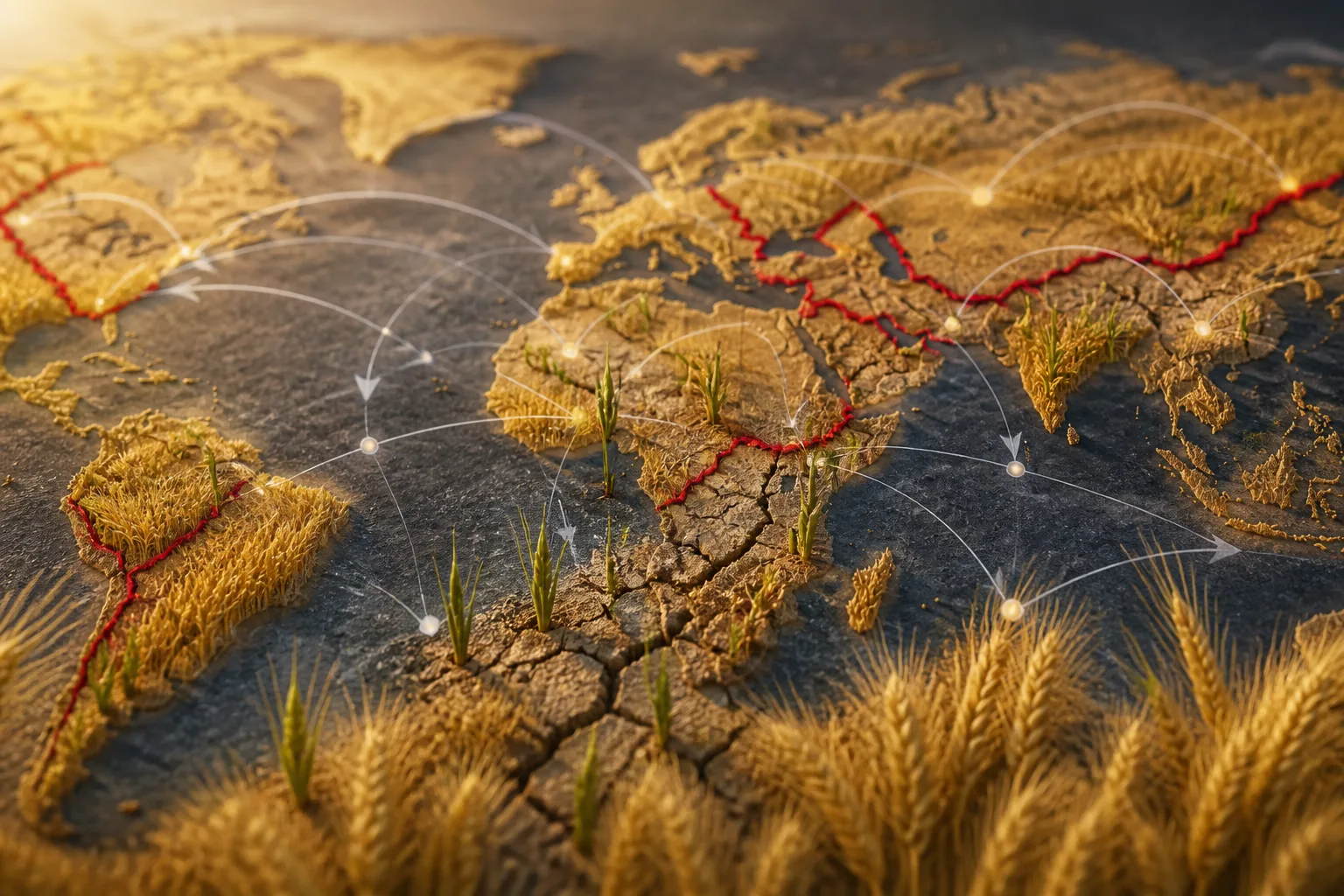
The United Nations World Food Programme (WFP) released a report in early June that links the escalating conflict between the United States‑Israel alliance and Iran to a sharp rise in global food prices and a widening risk of acute food insecurity. The report, which cites oil prices that have climbed to about $100 a barrel, warns that an additional 45 million people could be pushed into severe food insecurity if the war continues.
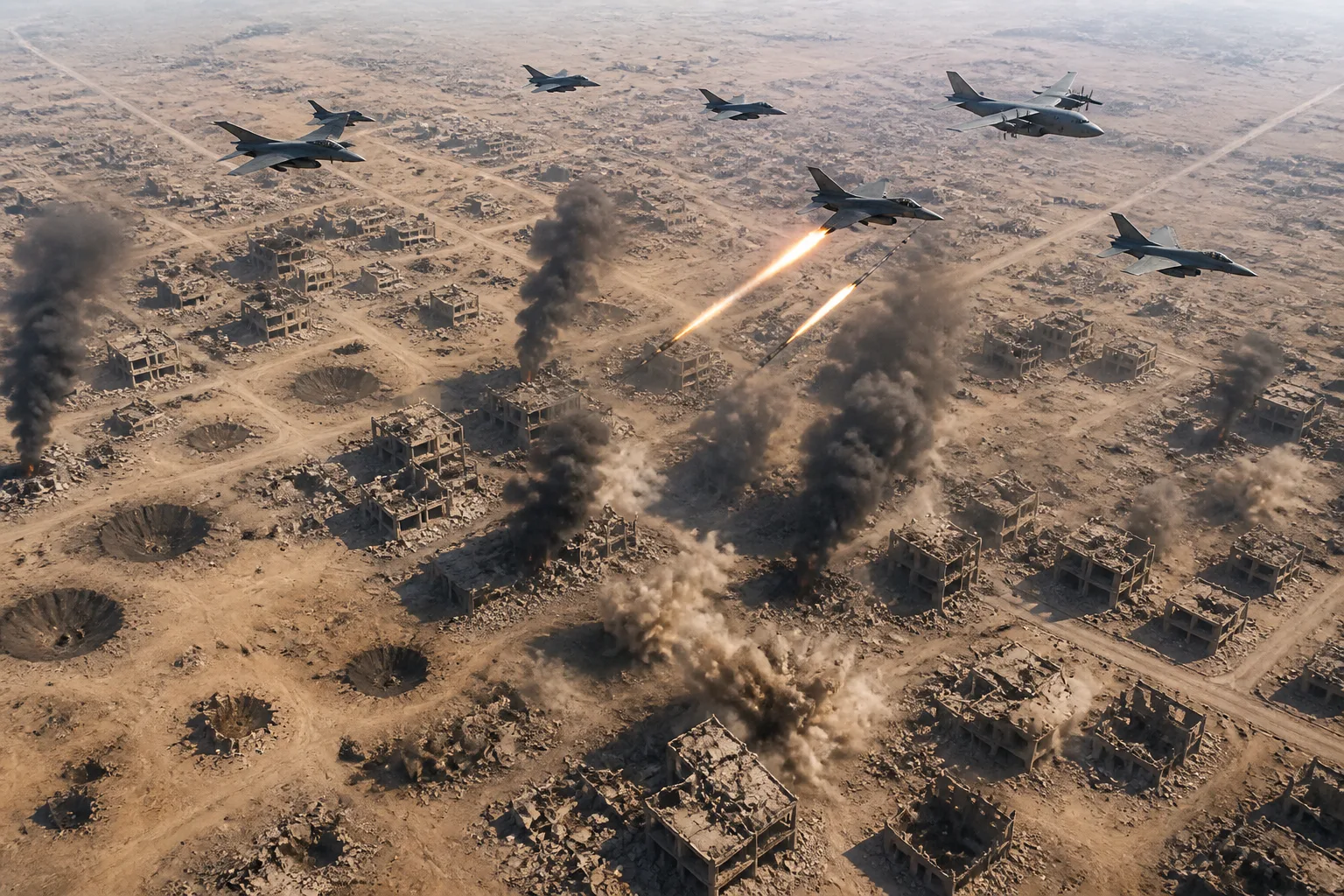
The conflict began on 28 February with U.S.‑Israeli air strikes on Iranian targets and quickly spread to affect several Middle‑Eastern states. By mid‑June, the United States and Iran signed a memorandum of understanding aimed at de‑escalation, yet the Strait of Hormuz – the only maritime route linking the Persian Gulf to the open ocean – remains effectively closed. The WFP notes that the closure has already driven up the cost of food and fuel worldwide and that the impacts are expected to intensify even if the fighting subsides.
According to the WFP, the price surge is already being felt in some of the world’s most fragile economies. Somalia, Sri Lanka and Afghanistan have reported “substantial food price rises,” and the organization says that higher food, fuel and transport costs have already eroded purchasing power for millions of people in import‑dependent countries. Bartolomeo Migone, WFP’s General Counsel, said that for the poorest families this translates into fewer meals, school withdrawals, asset sales and increased debt.
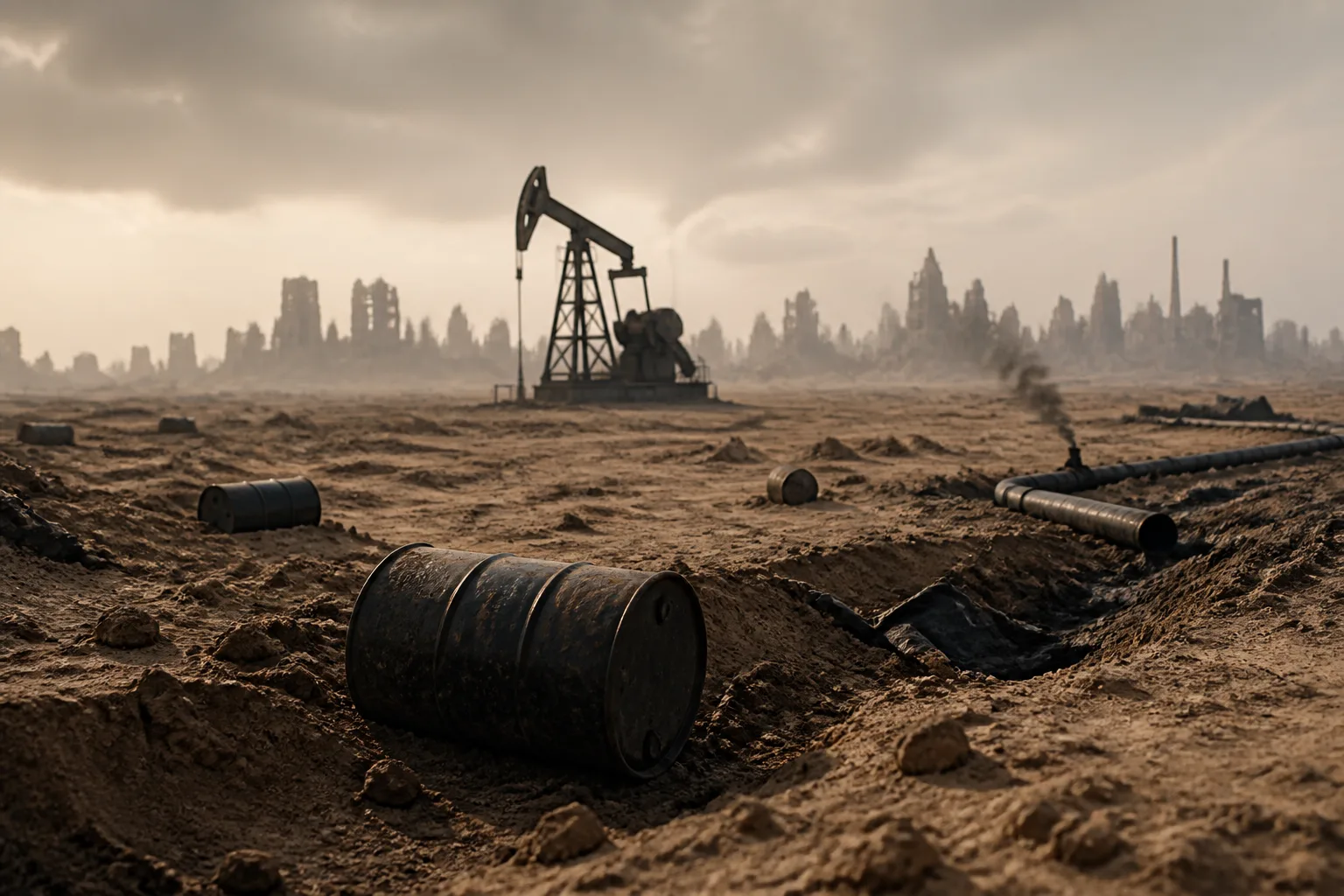
The conflict has also pushed up the cost of agricultural inputs. The International Business Association’s Vice‑Chair, Horacio López‑Portillo, explained that rising fuel prices, higher insurance premiums and altered shipping routes have increased the cost of fertilizers and diesel. He added that “the supply disruption stemming from this conflict could be even more far‑reaching for manufacturing, trade, maritime transport and industries such as oil and gas.” The WFP’s analysis of fertilizer prices shows a jump of more than 30 % for nitrogen‑based products in the United States alone.
The situation is particularly dire for Afghanistan, which relies on Iran for roughly 60 % of its exports and 50 % of its imports. Iran’s recent restrictions on food exports, combined with the prolonged closure of the Afghanistan‑Pakistan border, could push an additional 2.3 million Afghans into food poverty on top of the 13.8 million already identified as food insecure before the Middle‑East crisis. The WFP stresses that the country’s overreliance on Iranian supplies makes it especially vulnerable.
Other import‑dependent regions – including Sub‑Saharan Africa, South Asia and parts of the Middle East – are also at risk. López‑Portillo warned that sudden shifts in export policies can have devastating effects on countries that lack the fiscal capacity to subsidise rising costs. He cited examples such as China’s export restrictions on phosphate fertilizers and Sri Lanka’s four‑day work week, both measures aimed at conserving fuel.
The WFP’s report also highlights the compounding influence of the El Niño weather pattern, which is expected to exacerbate droughts in key agricultural zones. The United Nations Food and Agriculture Organization has identified regions where El Niño‑linked rainfall deficits could further threaten food security.
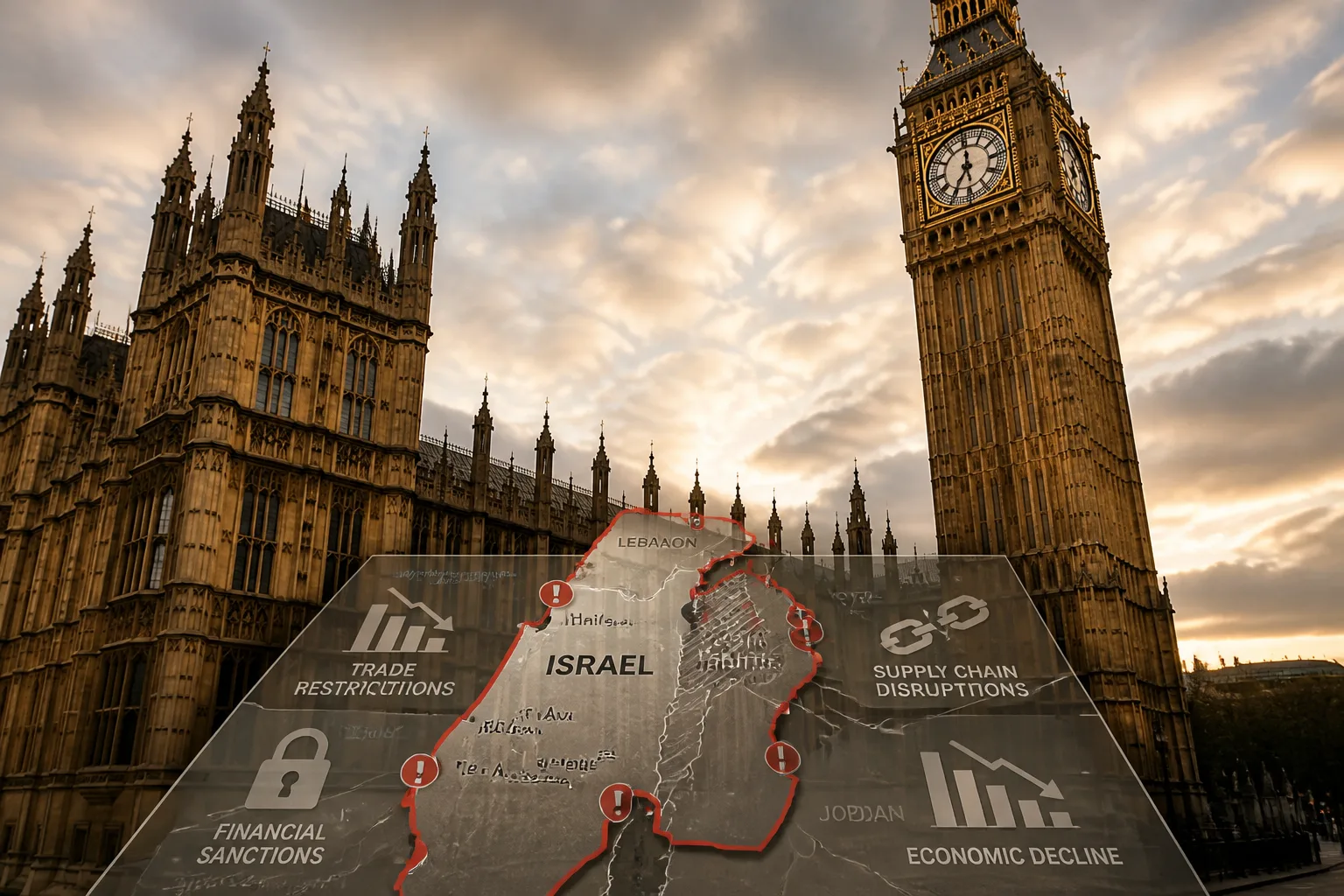
In response to the crisis, seven multilateral development banks issued a joint statement in May pledging to collaborate on mitigating disruptions to energy and fertilizer markets, trade routes and the resulting inflationary pressures. The WFP’s Migone stresses the importance of funding humanitarian programmes and social safety nets to prevent market shocks from turning into long‑term hunger crises.
At present, the Strait of Hormuz remains largely closed and the war’s economic fallout is already visible in global commodity markets. While diplomatic talks continue, the WFP warns that the risk of a prolonged conflict could deepen the food security crisis in some of the world’s most vulnerable populations.