Israel Seals 16-km Hamas Tunnel in Rafah, Completing Decade-Long Operation to Secure Lt. Hadar Goldins Legacy
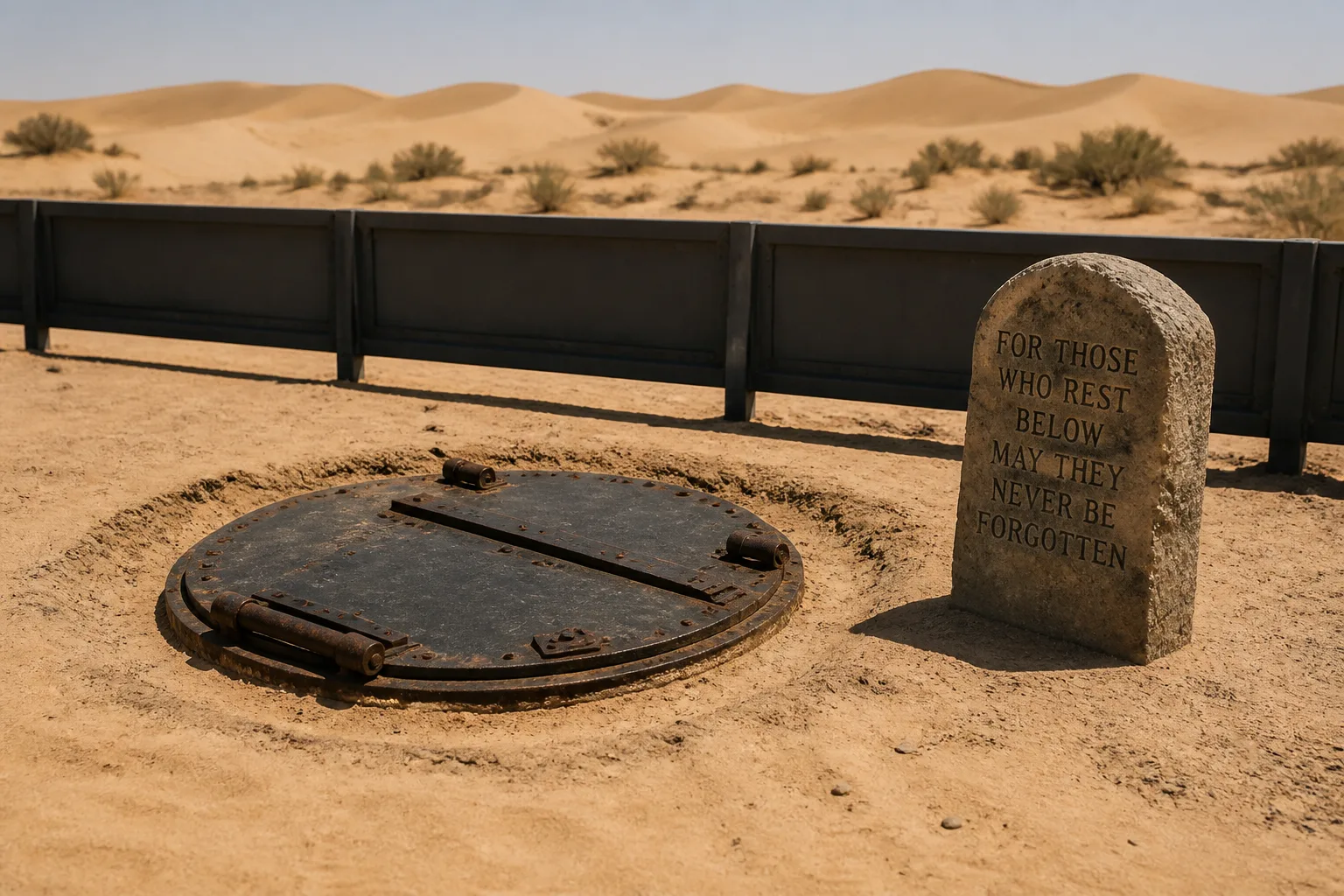
In a decisive move that closed a decade‑long underground chapter, the Israel Defense Forces (IDF) sealed a 16‑kilometre tunnel beneath southern Rafah on Monday. The complex—once the dark home of Lt. Hadar Goldin’s body, a soldier captured and killed by Hamas in August 2014—has now been rendered unusable by more than 30,000 cubic metres of concrete.
The sealing operation, led by the Southern Command in concert with the Yahalom combat engineering unit and Shayetet 13 naval commandos, began in late 2023 after the tunnel network was identified. Over the past three months, engineering troops from the Gaza Division and Southern Command poured concrete into the caverns, sealing exits and reinforcing the walls to prevent any future use for military or terrorist purposes. The effort required precise coordination and advanced tunneling technology, underscoring the IDF’s long‑standing focus on neutralising Hamas’ underground infrastructure.
Beneath a bustling residential neighbourhood, the tunnel stretched under mosques, kindergartens, clinics, a school and a UNRWA clinic. It also served as a Hamas command‑and‑control centre and housed roughly 80 living quarters. The proximity of the tunnel to civilian infrastructure highlighted the risk posed to Rafah residents and reinforced the strategic imperative of its closure.
Lt. Hadar Goldin’s story is central to the operation’s symbolic weight. Captured by Hamas on 1 August 2014, Goldin was killed near Rafah and his body was taken to Gaza. His remains were returned to Israel in a November 2025 ceremony that drew unprecedented crowds, marking the end of a decade‑long captivity and a key element of the 2025 ceasefire agreement that included the return of 85 hostages.
The Yahalom unit, established in 1995 and expanded after the 2014 Gaza War, specialises in underground warfare. According to IDF statements, Yahalom and Shayetet 13 identified the tunnel network in late 2023, and engineering troops began the sealing process shortly thereafter. The unit’s expertise was crucial in mapping the complex and ensuring a thorough closure.
Strategically, the tunnel’s location near the Philadelphi Corridor—a narrow strip of land between Gaza and Egypt—added urgency. The corridor is a vital transit route for goods and people, and the tunnel’s proximity to civilian infrastructure underscored Hamas’ potential to disrupt normal life in Rafah. The IDF’s recent dismantling of additional tunnel routes east of the Yellow Line in February 2026 is part of a broader effort to reduce the threat posed by underground tunnels.
While the IDF has not released casualty figures for the sealing operation, it has confirmed that the use of concrete and engineering equipment ensured the tunnel could no longer be used for military or terrorist purposes. The operation is expected to reduce the risk of future tunnel‑based attacks in the Rafah area and limit Hamas’ ability to smuggle weapons or personnel.
The sealing of the tunnel comes at a time when the Gaza Strip remains under a ceasefire that includes provisions for the release of hostages and the dismantling of terrorist infrastructure. By closing the tunnel, Israel takes a concrete step toward fulfilling those commitments and enhancing security for both Israeli and Palestinian civilians.
In the coming weeks, the IDF is likely to conduct inspections to confirm the tunnel’s integrity and may release further details on the engineering methods used. The operation sets a precedent for future counter‑tunnel efforts in the region and marks the culmination of a prolonged military effort to neutralise a key Hamas stronghold while honouring the memory of Lt. Hadar Goldin.