Shell Forecasts Flat LNG Trade in 2026 if Hormuz Reopens This Summer
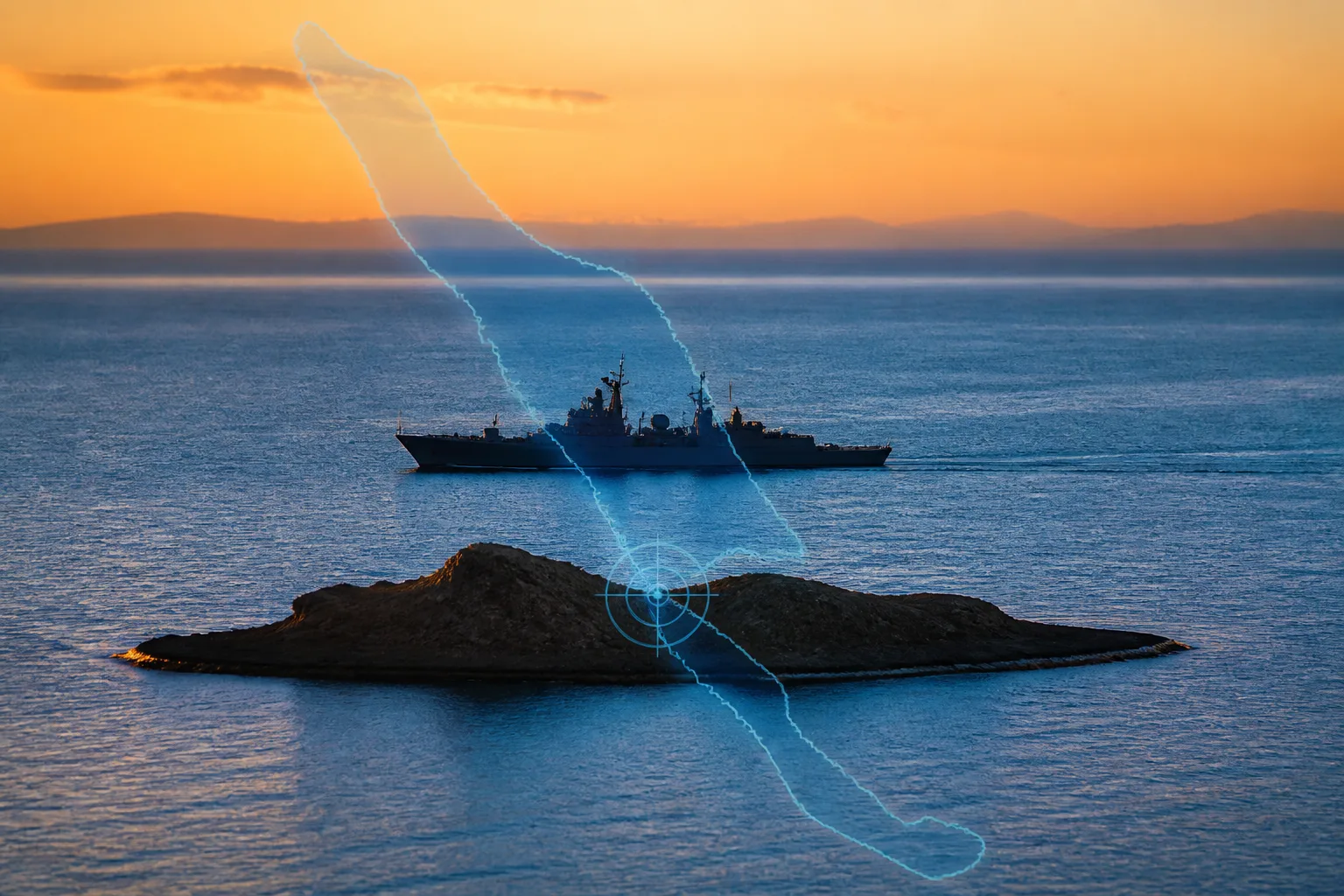
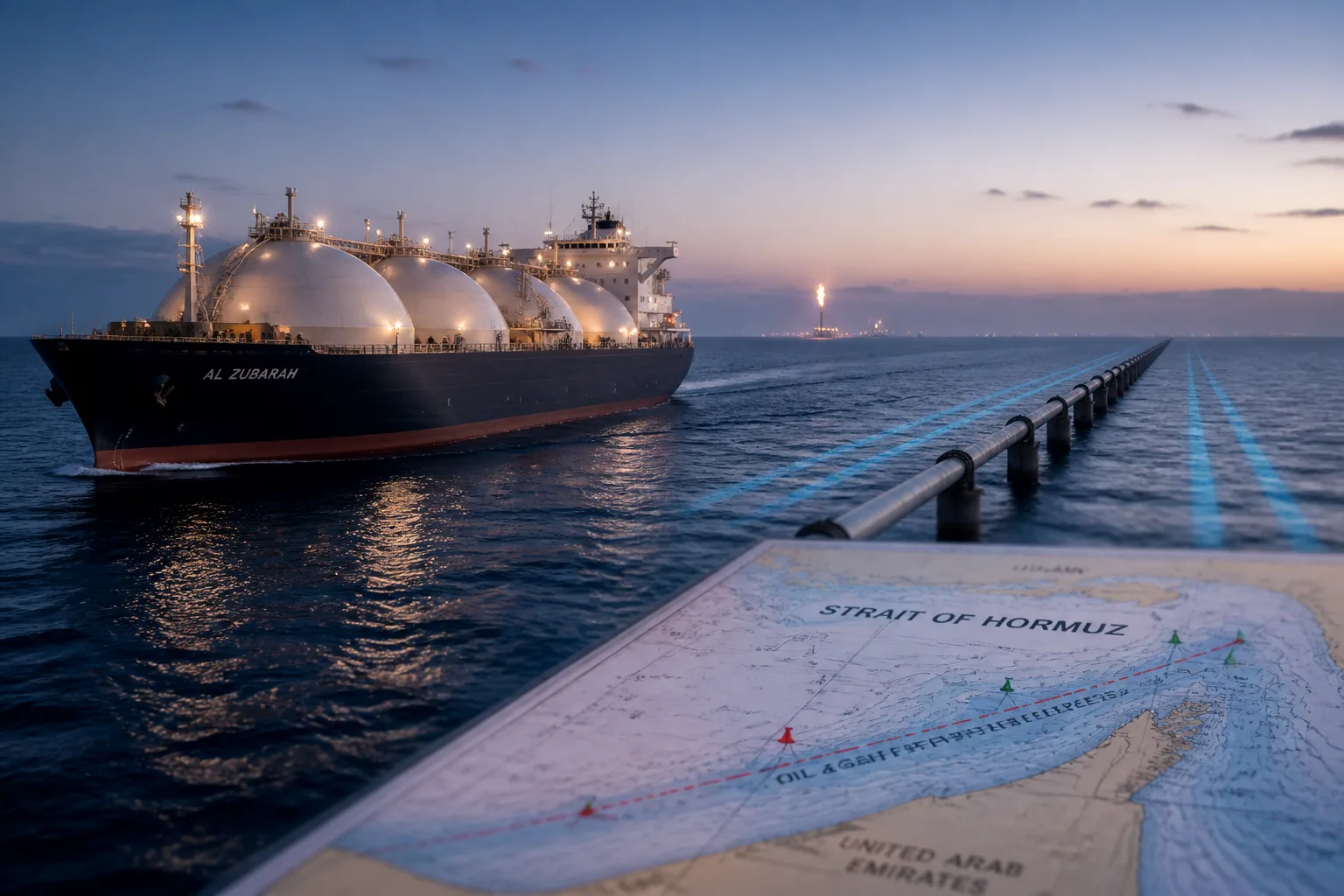
When the Strait of Hormuz fell silent in March, the world’s LNG trade was thrust into a sudden void. The closure, triggered by Iranian military action amid the broader Middle East conflict, halted the flow of liquefied natural gas from Gulf producers such as Qatar and the United Arab Emirates.
In 2025, global LNG trade reached 422 million tonnes. Shell had originally projected a near‑10 % rise for 2026, but the LNG Outlook 2026, released on 30 June 2026, now warns that the market could remain flat if shipping through the strait resumes only this summer. A continued blockade could force the market into a rare annual contraction.
The strait’s shutdown could cut about one‑fifth of global LNG exports—roughly 200 million tonnes per year in the short term—curbing supply to Asia‑Pacific markets that depend heavily on Gulf shipments. The Strait of Hormuz is the sole maritime link between the Persian Gulf and the open ocean and accounts for roughly 20 % of worldwide LNG trade.
Since the blockade, a handful of vessels have begun to cross again. A Qatar LNG tanker transited the strait on 10 May, marking the country’s first export out of the region since hostilities began. In late May, an Abu Dhabi National Oil Co. (ADNOC) tanker also cleared the strait en route to India. These limited movements signal a gradual easing of restrictions that have kept the channel largely closed.
Looking beyond the immediate shock, Shell’s outlook projects a robust long‑term demand trajectory. Global LNG demand is expected to reach nearly 700 million tonnes per year by 2050—a 65 % increase from 2025 levels—driven by industrial expansion and a shift away from coal in the Asia‑Pacific region.
The 2026 disruption has already strained regional markets. Asia‑Pacific countries have seen the sharpest supply shortfalls, with imports falling to their lowest levels since 2020. European gas markets, already operating on thin storage levels, have experienced benchmark prices that have doubled as a result of the Gulf supply shock.
Shell’s LNG Outlook 2026 therefore outlines a two‑phase recovery: a flat or slightly negative trade volume in 2026 if the Hormuz blockade persists, followed by a return to growth in 2027 as shipping normalises and long‑term demand drivers take hold.
The current situation remains contingent on the political resolution of the Middle East conflict and the reopening of the strait. Should the blockade extend beyond the summer, global LNG trade could contract further, exacerbating supply constraints in key markets. Conversely, a swift reopening would allow the market to stabilise at 2025 levels, with growth resuming in the following year.
In summary, Shell’s 2026 forecast reflects a cautious outlook shaped by the Hormuz closure. The company expects LNG trade to match 2025 figures if shipments resume this summer, with a projected rebound in 2027 as the global market adjusts to the long‑term demand outlook.