Corporate Travel in the Middle East Shifts from Insurance to Real-Time Risk Management
When a flight gate shuts unexpectedly, companies across the Gulf are turning to live alerts instead of relying on old insurance policies.
The shift is most pronounced in sectors that depend on on‑the‑ground presence—energy, consulting, media, finance and infrastructure. For these firms, the ability to monitor a traveler’s location, receive up‑to‑date threat intelligence and coordinate rapid responses has become as essential as medical coverage. “Travel risk management is no longer just about policy documents or insurance cover,” says Scott Wilcox, founder of Sicuro Group, a security‑risk consultancy.
Traditional travel insurance typically covers medical incidents and a limited set of insured events. It does not address operational disruptions such as sudden evacuations, route changes or civil unrest. As a result, many organisations are investing in integrated travel‑risk‑management (TRM) programmes that combine intelligence feeds, traveller tracking, crisis communication and on‑the‑ground support. These programmes provide real‑time situational awareness and structured escalation protocols, enabling decision makers to act quickly when conditions deteriorate.
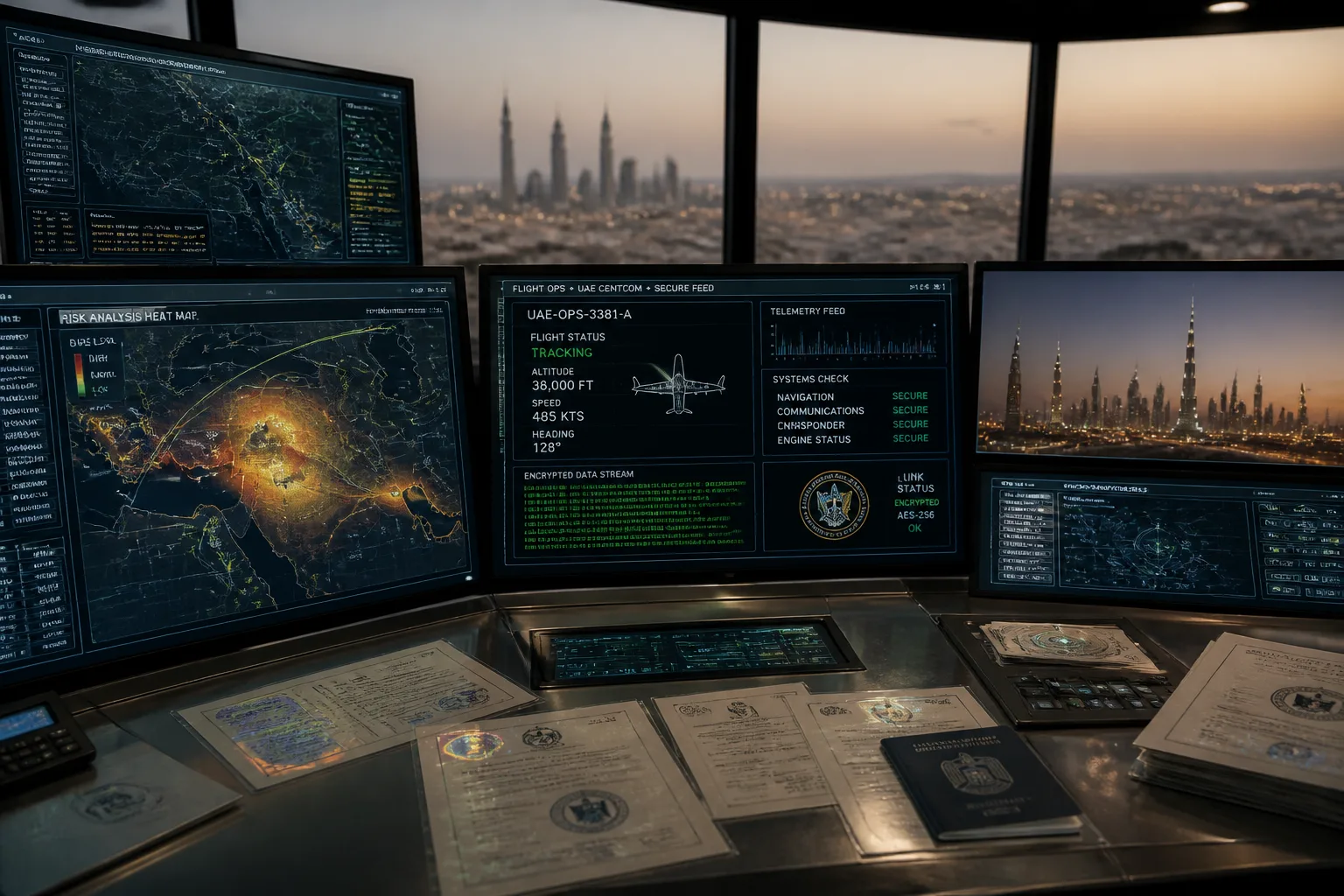
Real‑time intelligence has become a cornerstone of modern TRM. Platforms such as Sicuro’s Travel Risk Tracker ingest incident reports, regional developments and traveller itineraries to deliver continuous monitoring. The system can alert a company’s security team if a destination experiences a sudden airspace closure or a spike in civil unrest. For organisations with employees moving between multiple Middle Eastern and North African locations, this visibility is critical for maintaining business continuity.
The shift also reflects a broader evolution of the duty‑of‑care obligation. Employees now expect proactive communication, clear support structures and rapid assistance during disruptions. Leadership teams are under increasing pressure to demonstrate that travel‑related risks are assessed and managed appropriately. Consequently, many firms are restructuring their internal TRM functions, moving from fragmented arrangements to integrated operational models that align with business continuity plans.
ISO 31030, the International Organization for Standardization’s framework for travel‑risk management, is gaining traction among companies seeking a systematic approach. The standard offers guidance on identifying, assessing and managing travel‑related risks and duty‑of‑care responsibilities. By aligning TRM processes with ISO 31030, organisations can ensure that real‑time intelligence, traveller tracking, crisis communication and local operational support are embedded in a coherent governance structure.
While no organisation can eliminate travel risk entirely, preparation and coordination can significantly reduce operational disruption when incidents occur. The combination of real‑time intelligence, structured escalation protocols, and ISO 31030‑aligned processes equips firms to respond swiftly to evolving threats. According to Wilcox, companies that treat travel risk as part of business continuity, rather than merely an insurance requirement, are better positioned to support employees and sustain operations.
In practice, this means that a multinational energy firm operating in the Gulf will now maintain a dedicated risk‑management team that monitors airspace alerts, coordinates with local security partners, and can deploy rapid response units if a sudden evacuation is required. The team will also maintain a 24/7 communication channel with travellers, ensuring that any change in travel conditions is communicated immediately.
The trend signals a broader transformation in corporate travel across the Middle East. As geopolitical tensions, cyber threats and civil instability continue to surface, firms are recognising that insurance alone is insufficient. By embedding real‑time risk management into their operational fabric, companies are not only safeguarding their workforce but also protecting the continuity of critical business activities.
The current landscape shows a growing adoption of TRM platforms and ISO 31030 frameworks across the region. Firms that have already integrated these tools report faster response times and fewer disruptions. Those still relying on traditional policies are urged to reassess their risk posture, as the cost of operational downtime can outweigh the expense of a robust TRM system.
In summary, the Middle East’s volatile environment has accelerated the transition from insurance‑centric travel policies to comprehensive, real‑time risk management. By leveraging technology, structured escalation, and international standards, companies can better protect employees and maintain business continuity amid uncertainty.