Erdogan Urges Regional Support for Middle East Peace as He Meets Pakistans Sharif in Istanbul
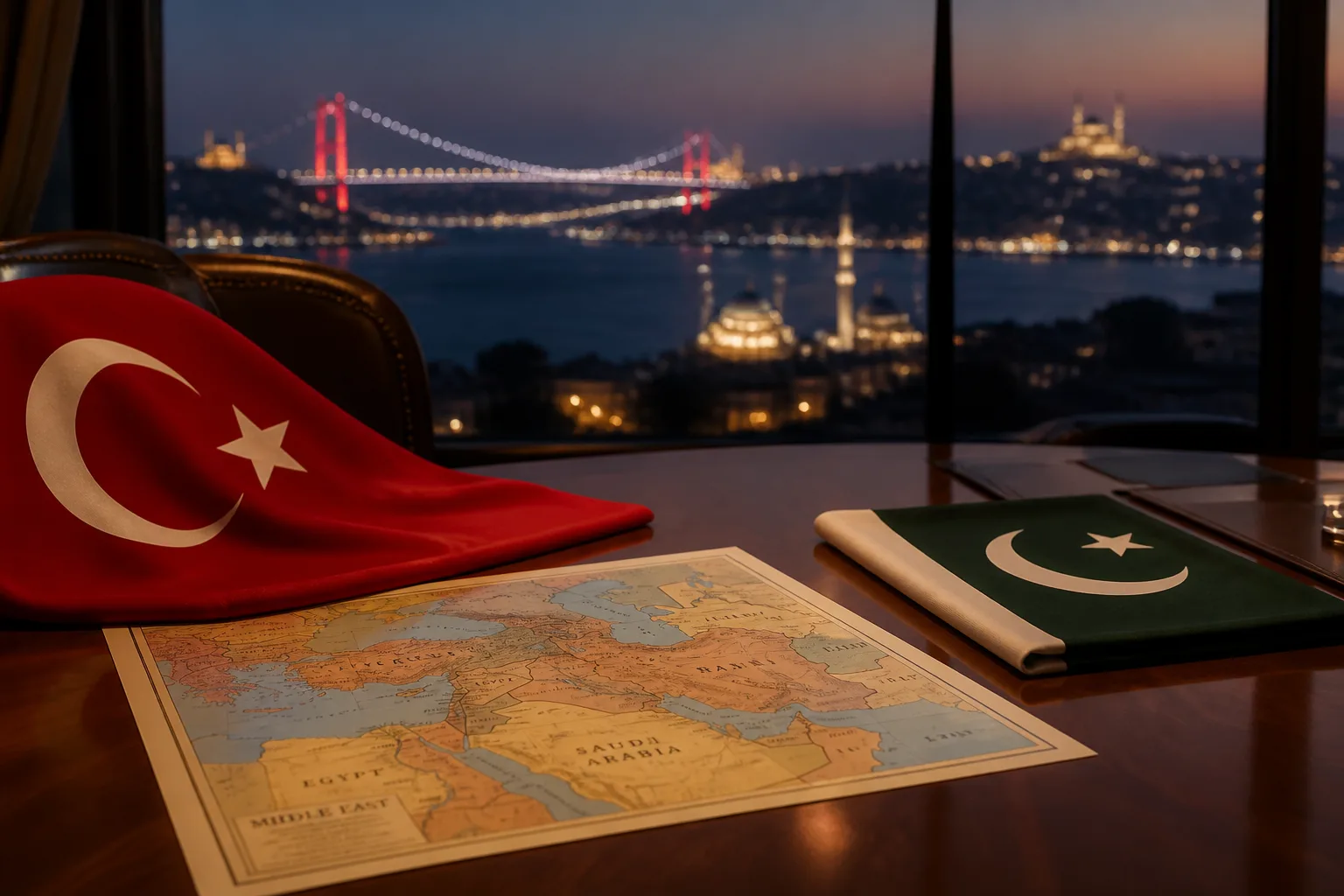
On Saturday, 4 July 2026, Turkish President Recep Tayyip Erdogan held a joint press conference with Pakistani Prime Minister Shehbaz Sharif in Istanbul. The meeting, held at the presidential complex, focused on regional cooperation, the status of the US‑Iran peace agreement and Turkey‑Pakistan economic ties.
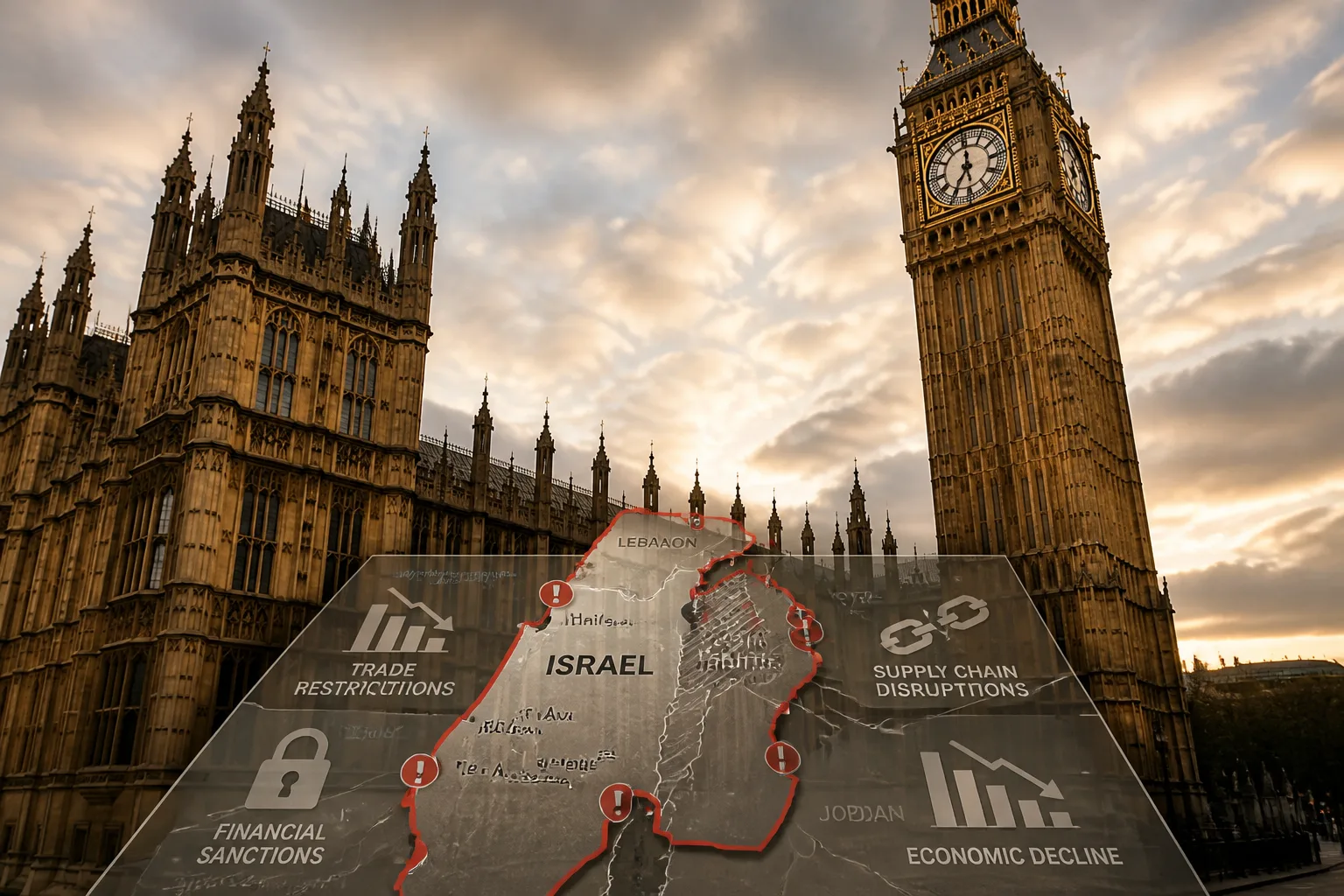
Erdogan opened the session by expressing condolences over a bus crash in Pakistan’s Balochistan province that killed 40 people. He then warned that Israel’s “war‑addicted” policy could undermine the peace deal that the United States and Iran reached earlier this year. According to reports, Erdogan said Israel’s attempts to sabotage the agreement must not succeed.
The president stressed that any peace process in the Middle East would be unsustainable without the backing of regional partners. He said that “regional contributions are essential” and that the United States and Iran’s accord would collapse if Israel continued to act unilaterally. Erdogan’s remarks came after a series of Israeli airstrikes in Lebanon and accusations that Hezbollah had violated a cease‑fire, events that the United States and Israel have linked to the broader Iran‑Israel conflict.
In addition to the diplomatic message, Erdogan outlined plans for deeper collaboration with Pakistan. He highlighted three priority sectors: energy, transport and defense. Turkish firms, according to the Turkish Ministry of Trade, have shown interest in Pakistan’s electricity sector, which is undergoing a transformation to meet rising demand. The president also mentioned that Turkish companies are ready to contribute to the development of Pakistan’s power grid and to explore offshore oil and gas resources.
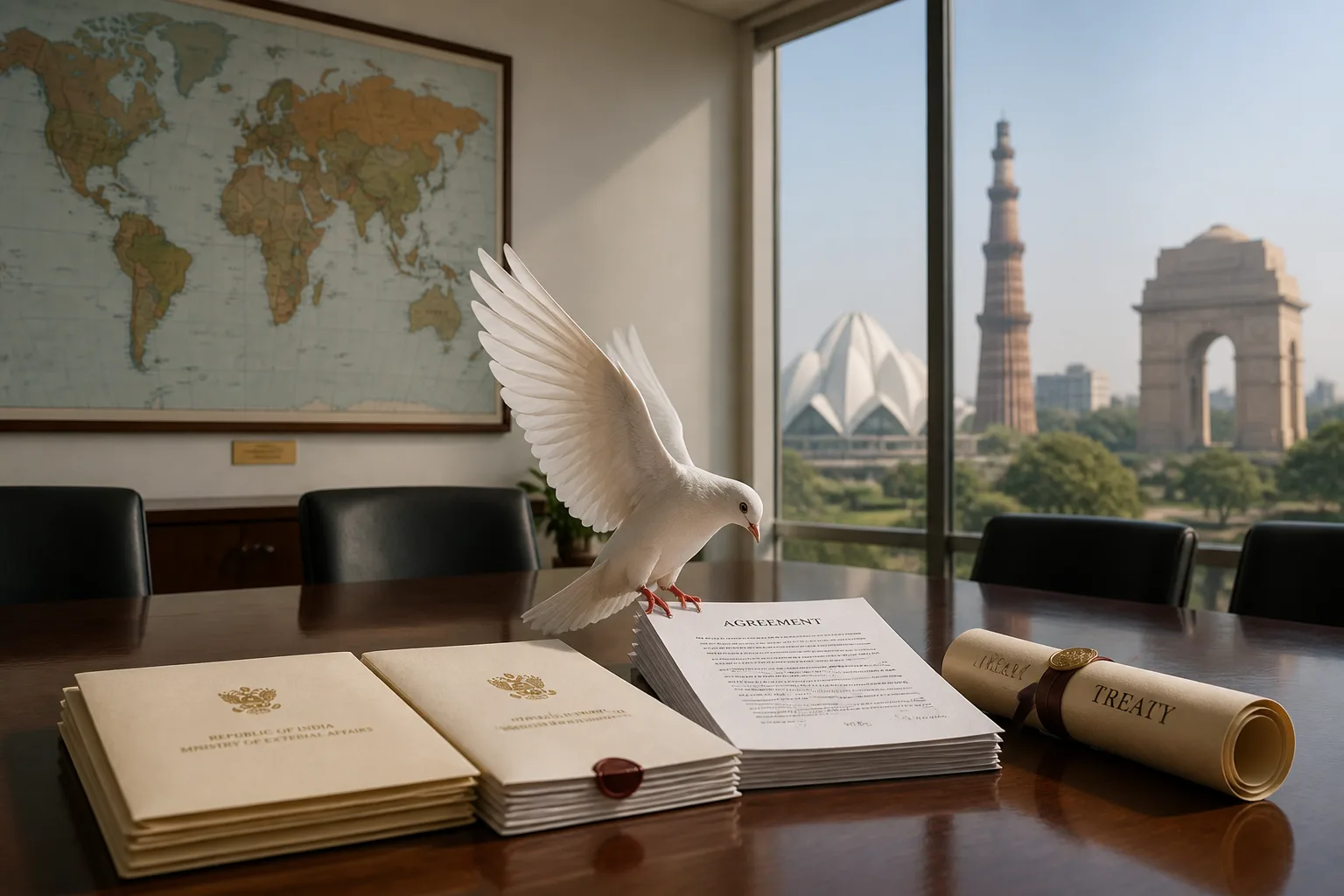
The press conference was part of a broader diplomatic agenda that has seen Turkey and Pakistan strengthen ties over the past year. In February 2025, the two leaders signed 24 agreements covering defense, agriculture, trade, industry and communications. The most recent talks in Istanbul are expected to produce new memoranda of understanding, although no formal agreements were announced during the session.
Erdogan’s comments reflect Turkey’s long‑standing position on the Middle East. The country has repeatedly called for a comprehensive peace that involves all regional actors. In 2025, Turkey hosted a summit on regional security that brought together leaders from the Gulf, Israel and Iran. The president has also been a vocal critic of Israel’s military actions in Lebanon and the occupied Palestinian territories.
Pakistan’s role in the US‑Iran peace process has been limited, but the country has hosted several diplomatic meetings aimed at easing tensions. According to the Pakistani Ministry of Foreign Affairs, Islamabad has maintained a neutral stance and has encouraged dialogue between the two sides. The presence of Prime Minister Sharif at the Istanbul conference underscores Pakistan’s willingness to act as a regional interlocutor.
The press conference also highlighted Turkey’s broader strategy to diversify its international partnerships. Ankara has sought to deepen economic ties with South‑Asian countries, including Pakistan, as part of a shift away from reliance on European and U.S. markets. The energy cooperation announced by Erdogan is consistent with this strategy, as Turkey’s domestic energy demand is projected to rise sharply in the coming decade.
In the final remarks, both leaders thanked each other for the constructive dialogue. While no new agreements were signed, the conference set the stage for future negotiations on trade, defense cooperation and infrastructure projects. The Turkish government has indicated that it will follow up with formal proposals in the coming weeks.
The meeting comes at a time when the Middle East remains volatile. The United States and Iran’s peace agreement, brokered in part by diplomatic efforts in Washington, has faced challenges from regional actors. Erdogan’s call for regional backing signals Turkey’s intent to play a stabilizing role, while the energy and defense talks with Pakistan point to a broader economic partnership that could reshape regional dynamics.
In summary, the Istanbul press conference underscored Turkey’s insistence that Middle East peace requires regional participation, warned against Israeli interference in the US‑Iran accord, and announced plans for expanded economic and defense cooperation with Pakistan. No formal agreements were announced, but the leaders expressed a commitment to pursue further collaboration in the coming months.