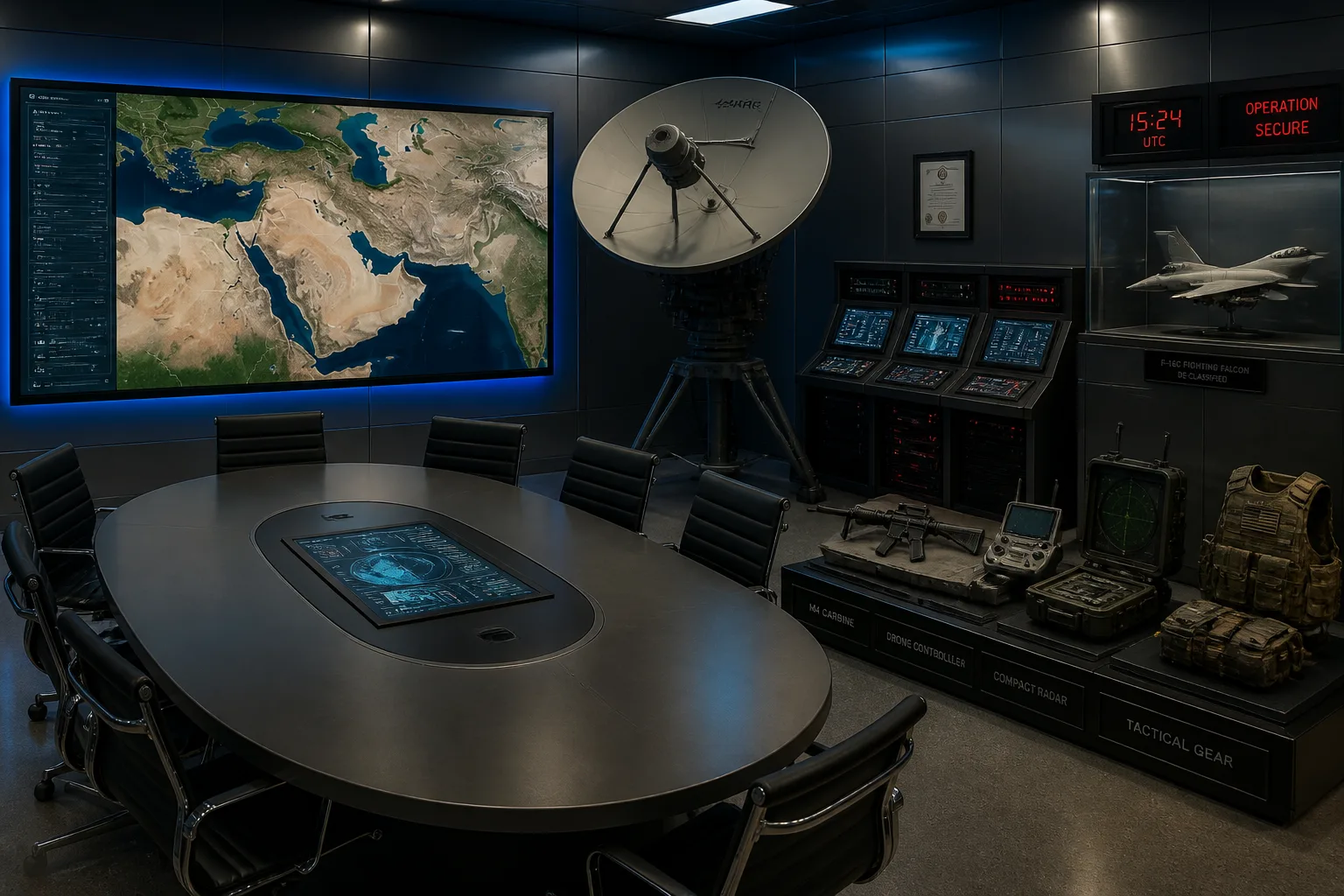
Israel and U.S. Defense Chiefs Confirm Ongoing Cooperation Amid Iran Conflict
On the night of July 15‑16, 2026, Israeli Defense Minister Israel Katz and U.S. Secretary of Defense Pete Hegseth held a confidential briefing. According to the Israeli Defense Minister’s office, Hegseth briefed Katz on U.S. military operations against Iran and the two agreed to continue cooperation in the face of any potential developments.
The conversation took place against the backdrop of the 2026 Iran war, which began on February 28 when the United States and Israel launched a series of airstrikes that killed several Iranian officials, including Supreme Leader Ali Khamenei. The conflict has since involved coordinated U.S. and Israeli strikes on Iranian military and nuclear facilities, as well as Iranian-backed militias across the region.
During the briefing, Katz outlined Israel’s ongoing operations against jihadist terror elements in Syria, Gaza and Lebanon. He reiterated Israel’s determination to maintain a presence in “security zones” inside those territories, a policy that has been in place since the Hamas‑led Oct. 7, 2023 attack on Israel. The Israeli Defense Minister’s office stated that Katz emphasized that Israel has never asked the U.S. to take action on its behalf along its borders.
“We are committed to protecting the residents of Israel against any threat, and that is precisely what we intend to do,” Katz said. The statement reflects Israel’s long‑standing policy of maintaining military presence in buffer zones to deter attacks from hostile groups. Since the 2023 Hamas offensive, Israel has expanded its frontiers in Gaza, Syria and Lebanon, and has declared that its troops will remain in those zones indefinitely.
Hegseth’s briefing focused on the U.S. operational posture toward Iran. The U.S. Department of Defense has been conducting air and missile strikes against Iranian targets in Iraq, Syria and the Persian Gulf since the war’s onset. In addition, U.S. forces have been conducting intelligence‑gathering missions and special operations to counter Iranian influence in the region.
The two leaders also discussed potential developments that could arise from the ongoing conflict. While no specific operational plans were disclosed, the agreement to continue cooperation signals a shared commitment to countering Iranian military capabilities and supporting Israel’s security interests.
The U.S. has maintained a substantial military presence in the Middle East, with approximately 50,000 troops stationed across the region. This buildup has been part of a broader strategy to deter Iranian aggression and to support allies such as Israel. The U.S. has also imposed extensive sanctions on Iran, targeting its energy, financial and defense sectors.
Israel’s security zones in Gaza, Syria and Lebanon have been a point of contention in regional diplomacy. The Israeli Defense Minister’s office noted that the policy is a direct response to the Oct. 7 attack, which prompted Israel to reassess its defensive posture along its borders.
The conversation between Katz and Hegseth underscores the close military relationship between the two countries amid a volatile regional environment. Both leaders reaffirmed that they would continue to coordinate on intelligence sharing, operational planning and strategic objectives.
The U.S. and Israel have also been engaged in diplomatic efforts to negotiate a broader peace framework with Iran. While the 2026 Iran war has seen periods of ceasefire, the conflict remains unresolved. The U.S. and Israel’s continued cooperation is intended to maintain pressure on Iran and to safeguard the security of Israel and its allies.
In summary, the overnight briefing confirmed that Israel and the United States will maintain close coordination in the face of evolving threats from Iran and other regional actors. The two sides remain committed to protecting Israeli residents and to sustaining a military posture that deters attacks from hostile groups.