Rand Weakens as Iran-US Escalation Drives Oil Prices Higher
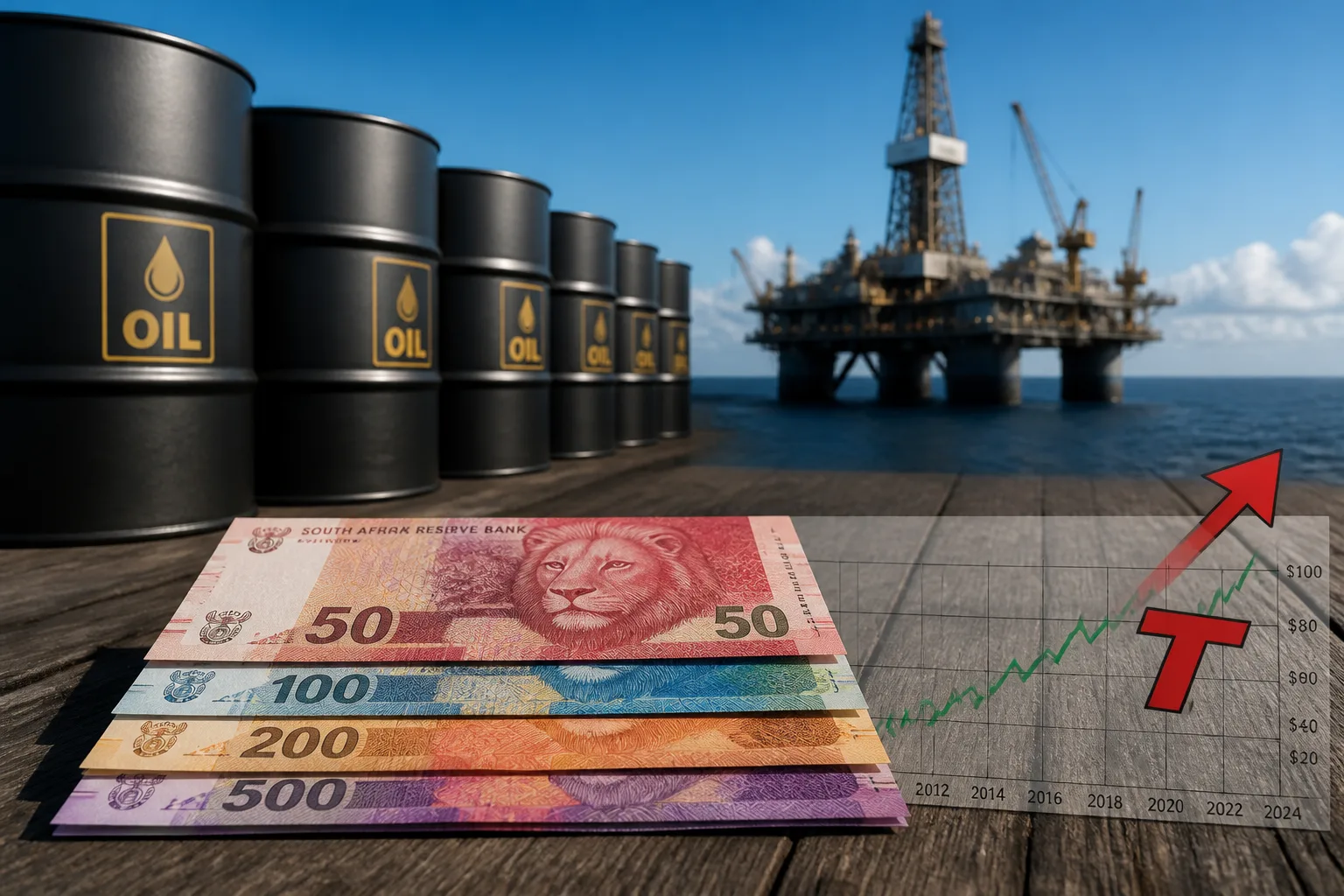
The South African rand slid 0.5 % in Thursday’s afternoon session, a fall that mirrors the rising tensions between Iran and the United States. The move comes as a week‑long escalation in the Middle East has pushed oil prices higher and reignited fears of inflation and supply disruptions.
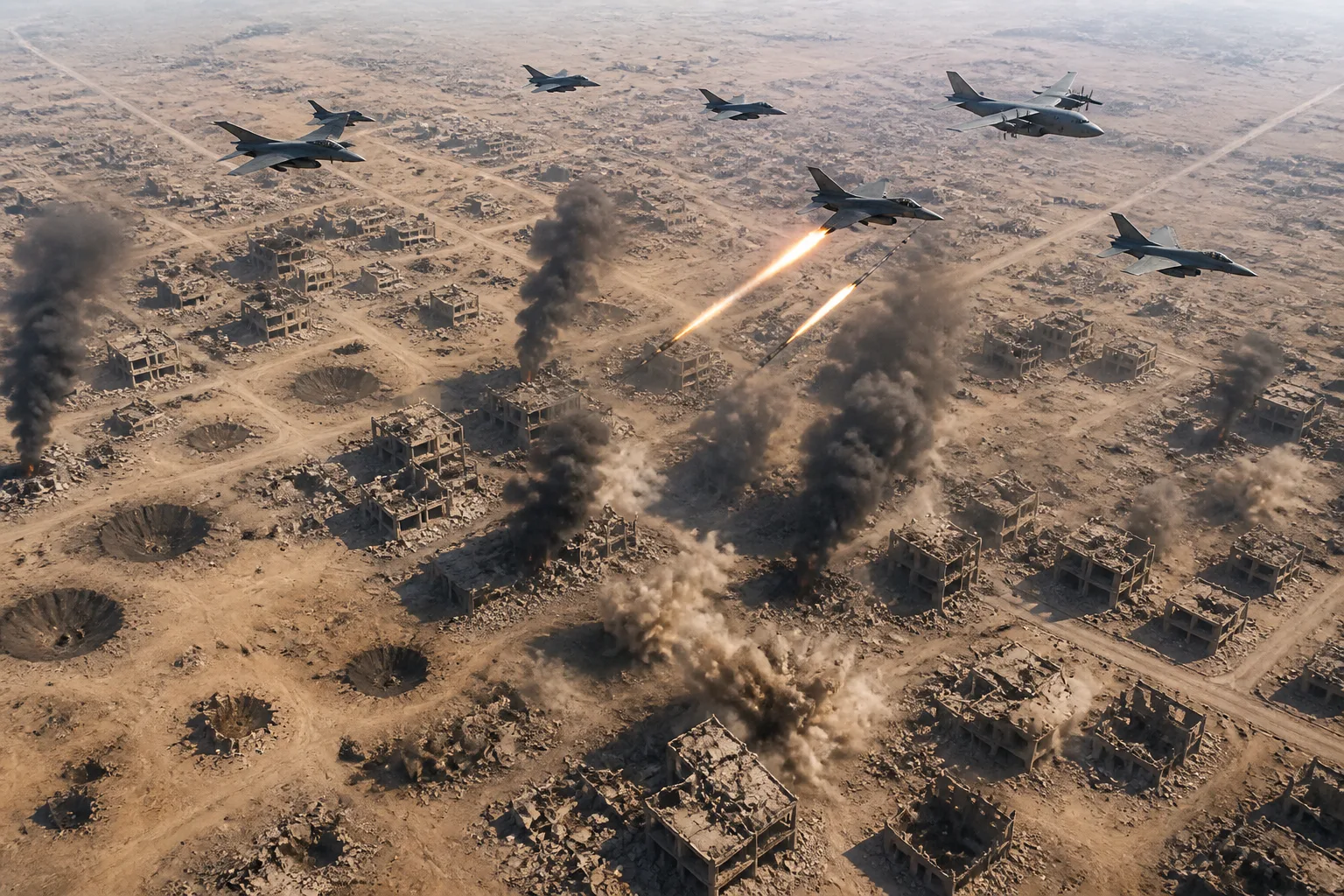
At 1419 GMT, the rand traded at 16.4150 against the U.S. dollar, down from its previous close. The decline followed the United States’ launch of two major air‑strike waves on Wednesday, after it re‑imposed a naval blockade on Iranian ports. Iran retaliated by firing missiles and drones at U.S. bases in neighboring countries and shut down shipping through the Strait of Hormuz.
In a further escalation, Iran urged Yemen’s Houthi movement to prepare to close the Red Sea oil route if the United States struck Iranian power infrastructure. The threat to shut the Strait of Hormuz and the Red Sea has amplified global oil‑market volatility.
Oil prices rose more than 1 % as concerns over Middle‑East energy supplies intensified. The U.S. dollar gained nearly 0.2 % against a basket of currencies. In a research note, ETM Analytics said the environment favours selective emerging‑market long positions but demands vigilance regarding geopolitical spillovers, noting that asymmetry in rand risks persists for now.
On the Johannesburg Stock Exchange, the Top‑40 index remained largely unchanged. South Africa’s benchmark 2035 government bond weakened as the yield rose 3 basis points to 8.42 %. The bond move reflects market sensitivity to the currency’s decline and the broader risk environment.
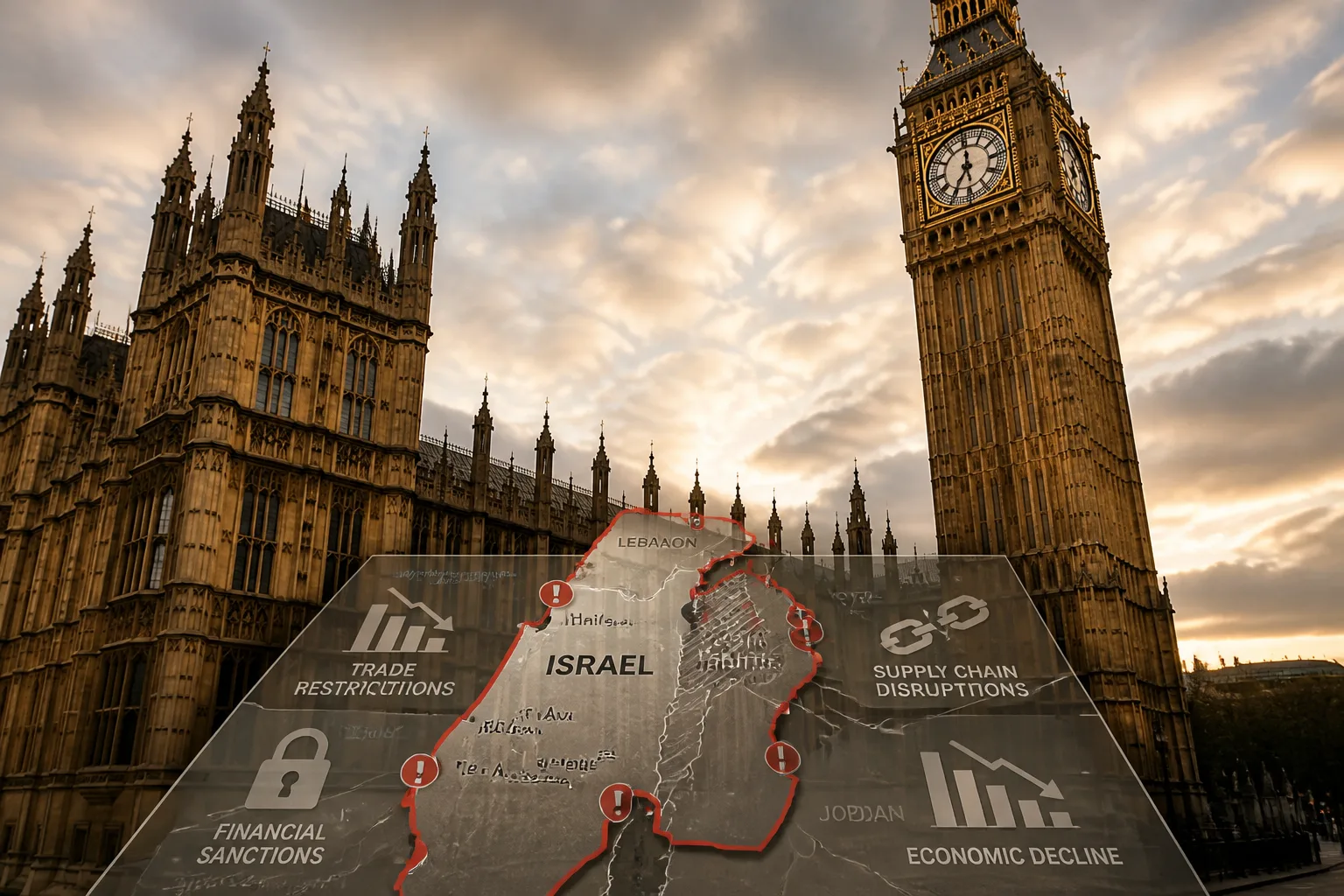
The escalation is part of a broader conflict that began in February 2026 when the United States and Israel launched a joint attack on Iranian targets. The conflict has involved repeated air strikes, missile and drone attacks, and naval blockades, with the United States re‑imposing a blockade on Iranian ports in mid‑July. Iran’s closure of shipping lanes through the Strait of Hormuz and the potential for the Houthis to disrupt the Red Sea route have amplified fears of supply‑chain disruptions.
The rand’s decline follows a pattern of currency volatility that has accompanied the conflict. Investors have reacted to the increased risk of inflation, as higher oil prices feed into broader price levels. The South African Reserve Bank has maintained a cautious stance, and the market’s reaction to the currency and bond moves indicates a continued focus on geopolitical developments.
While the Johannesburg Stock Exchange’s Top‑40 index showed resilience, the bond market’s sensitivity highlights the impact of the conflict on South Africa’s borrowing costs. The yield rise of 3 basis points, though modest, signals that investors are pricing in additional risk.
The situation remains fluid. The United States has resumed its naval blockade of Iranian ports, and Iran’s threats to close key maritime routes continue to weigh on global markets. The rand’s weakness, coupled with higher oil prices, underscores the interconnectedness of regional security developments and South Africa’s economic environment.
In summary, the South African rand weakened to 16.4150 per dollar amid heightened tensions between Iran and the United States. Oil prices rose over 1 %, and the benchmark 2035 government bond yield increased to 8.42 %. The market remains cautious as the conflict continues to influence currency, bond, and commodity markets.