US Launches New Wave of Strikes on Iran as Tehran Hits Gulf Allies with Drones
On Thursday, the United States carried out a fresh series of air and naval strikes against Iranian military targets, while Iranian forces launched drone attacks on U.S. bases in Jordan, Kuwait and Bahrain. The escalation comes amid an ongoing war that began in February 2026 after a joint U.S.–Israeli strike on Iranian leadership. The conflict has drawn the Gulf region into a high‑stakes confrontation that threatens commercial shipping through the Strait of Hormuz.
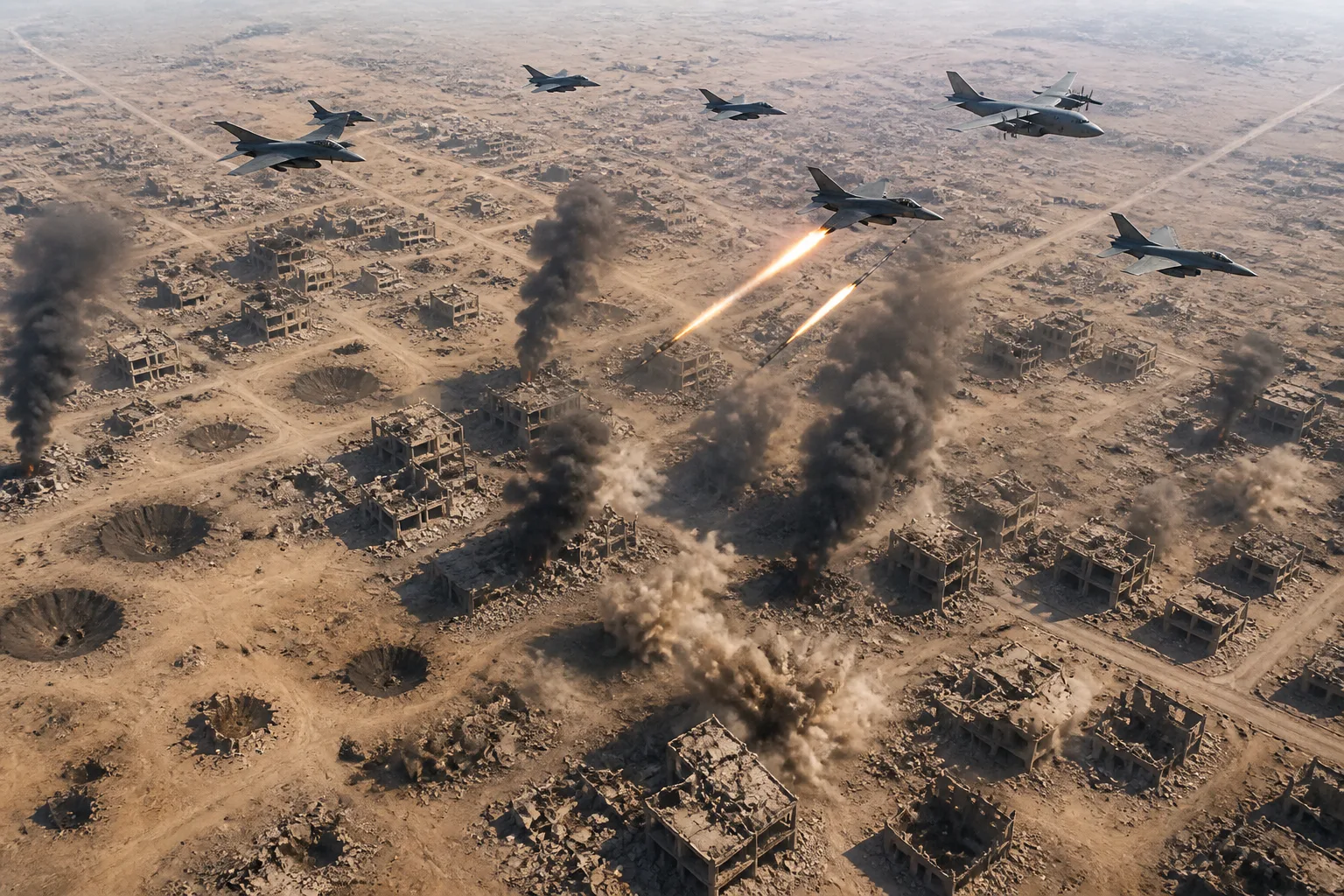
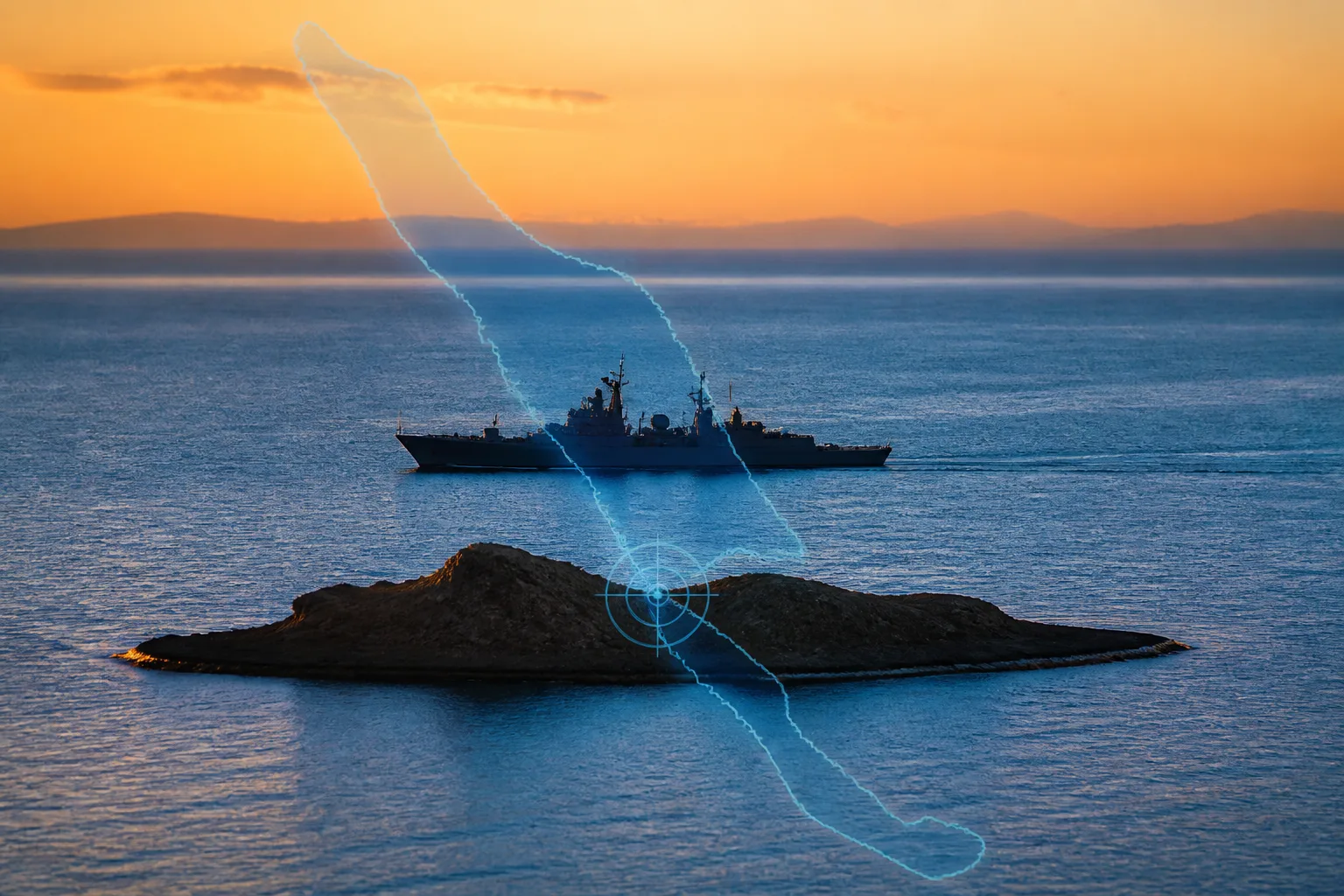
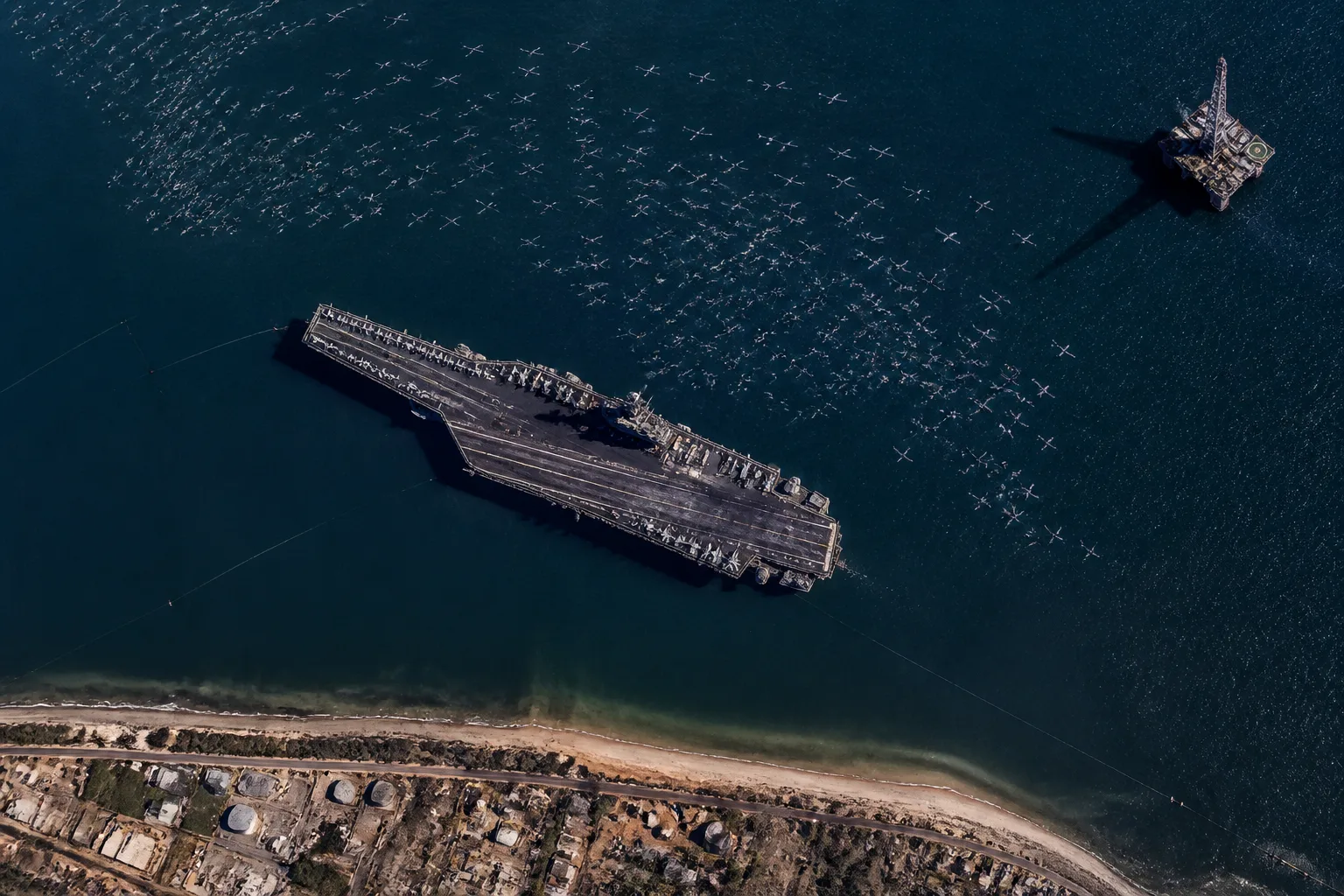
The U.S. Central Command (CENTCOM) announced on X that the evening wave of attacks targeted command centers, air‑defence sites, missile and drone facilities, and coastal surveillance installations. According to the statement, the U.S. forces struck locations in Bandar Abbas and Greater Tunb Island, and earlier in the day had hit coastal defence and cruise‑missile sites on Greater Tunb during a 90‑minute operation. CENTCOM said the strikes were intended to “further degrade Iran’s ability to threaten innocent mariners crewing commercial vessels transiting the Strait of Hormuz.” The U.S. military confirmed that the attacks were conducted by fighter aircraft, drones and naval vessels.
In response, the Iranian army said it carried out separate drone attacks on U.S. facilities in the Gulf. The army claimed it struck communication systems and fuel storage facilities at a U.S. base in Jordan, and that it hit radar systems, a Patriot air‑defence system and fuel storage at Ali Al Salem Air Base in Kuwait. It also reported strikes on U.S. facilities at Sheikh Isa Air Base in Bahrain. Kuwait’s military said it intercepted the drones, while Bahrain’s interior ministry urged residents to remain calm and seek safe places.
The U.S. raids also resulted in casualties on the Iranian side. The Iranian army reported that seven personnel were killed in a missile strike on a barracks near the southeastern city of Iranshahr during the seven‑hour wave of U.S. attacks. The U.S. military said its precision munitions were aimed at degrading Iranian missile and drone sites, naval capabilities and coastal defence systems.
Other developments on the same day highlighted the broader impact of the conflict. Iran’s judiciary announced the execution of Mohammad Amini Dehaghani, a protester who had taken part in anti‑government demonstrations earlier in the year. The judiciary’s press agency described him as a “collaborator with the enemy.” In the United Kingdom, the sentence of British national Craig Foreman, who was jailed in Iran for alleged spying, was extended by two years, bringing his total term to 12 years.
A maritime incident also drew attention: the body of Indian sailor Heramb Karmarkar, who disappeared after his ship was attacked off the coast of Oman, was recovered by a seafarers’ union official. Meanwhile, the Revolutionary Guards warned that the Strait of Hormuz would remain closed until the United States ended what it called “acts of aggression.” The statement cautioned that other regional oil export routes could become targets.
The war’s escalation has already affected global oil markets. Analysts note that the Strait of Hormuz is the sole maritime passage from the Persian Gulf to the open ocean, and that roughly 20 % of world liquefied natural gas and 25 % of seaborne oil trade passes through it. The closure of the strait and the threat of further blockades have pushed Brent crude prices above $100 per barrel in recent weeks.
The United States continues to conduct targeted strikes against Iranian military infrastructure, while Iran retaliates with drone attacks on U.S. bases and threatens to close additional shipping lanes. The Strait of Hormuz remains shut, and commercial vessels are being rerouted around the region. No diplomatic resolution has been announced, and the conflict is expected to persist until a new cease‑fire or negotiated settlement is reached.