Israeli Airstrike on Gaza Funeral Leaves 7 Dead, 22 Injured; Five More Killed in Separate Attacks
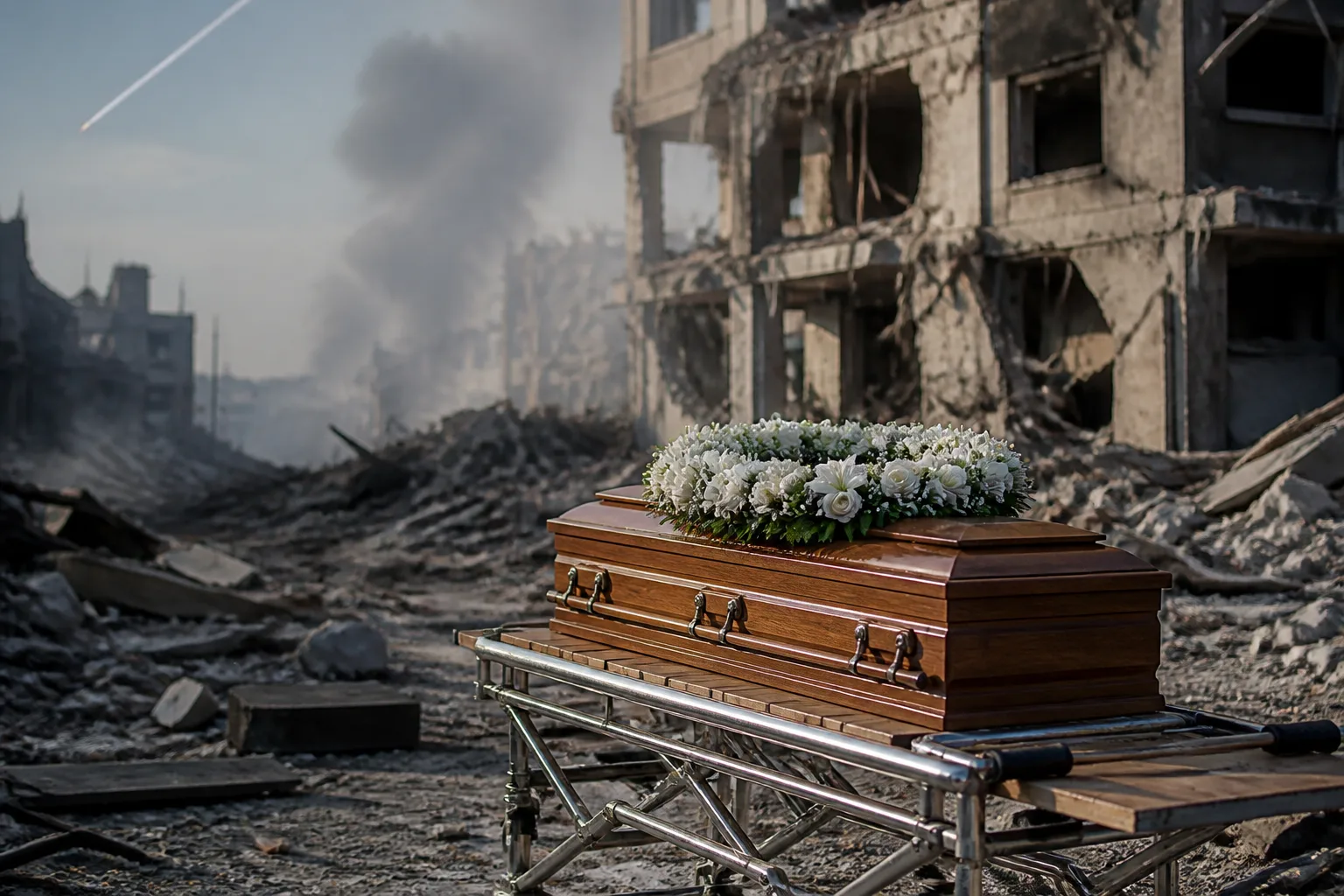
An Israeli airstrike on a funeral procession in central Gaza on Friday, 17 July 2026, killed at least seven people and wounded 22, according to the Awda Hospital in the Nuseirat refugee camp. The hospital confirmed that the victims were attending the burial of a Palestinian who had been killed earlier that day by an Israeli strike that targeted a Hamas militant. The Israeli military said the strike was aimed at a “terrorist cell” belonging to the Palestinian Islamic Jihad, and that it was aware civilians could be harmed.
In addition to the funeral attack, local health officials reported that Israeli fire on Friday killed three more people, including two women, in northern Gaza, Gaza City and Khan Younis. The Palestinian militant group Hamas described the funeral strike as a “heinous crime.”
The incidents come after a ceasefire agreement reached in October 2023 that was intended to halt a two‑year‑long war. While the heaviest fighting has subsided, the Gaza Health Ministry records that at least 1,123 people have been killed in Gaza since the ceasefire took effect. The ministry’s casualty data, which is generally considered reliable by United Nations agencies and independent experts, does not distinguish between civilians and militants but notes that women and children constitute the majority of the dead.
Since the ceasefire, five Israeli soldiers have been killed. Militants have carried out shooting attacks on Israeli troops, and Israel says its strikes are responses to those attacks and other violations. In recent weeks, Israel has increased its airstrikes in Gaza, targeting people in cars, tents, buildings and on the street. According to the independent monitoring group Armed Conflict Location and Event Data, Israel carried out 40 attacks targeting militants in June, the highest monthly total since the ceasefire began.
The Gaza war began after the Hamas‑led attack on southern Israel on 7 October 2023, which killed around 1,200 people and saw 251 taken hostage. Israel’s retaliatory offensive in Gaza has killed more than 73,264 Palestinians, including those killed since the ceasefire, according to the Gaza Health Ministry.
The Israeli military’s statement that it targeted a “terrorist cell” of the Palestinian Islamic Jihad is consistent with the group’s status as a designated terrorist organization by many countries. The Islamic Jihad movement, formed in 1981, has historically received financial backing from Syria and Hezbollah and has increased its activity in Gaza since 2014 with support from Iran.
The funeral strike occurred in the Nuseirat refugee camp, a densely populated area in central Gaza. The Awda Hospital, which serves the camp, reported the casualties and confirmed that the victims were mourners attending the burial. The hospital’s statement was the first official confirmation of the death toll.
The Gaza Health Ministry’s cumulative death toll of 1,123 since the ceasefire includes both civilian and militant casualties. The ministry does not provide a breakdown, but it has consistently reported that the majority of those killed are civilians, including women and children.
The Israeli military’s admission that civilians could have been harmed in the funeral strike reflects a broader pattern of civilian casualties in Gaza. According to the United Nations, the war has caused widespread destruction of infrastructure and a humanitarian crisis, with most hospitals, schools and homes damaged or destroyed.
The ceasefire agreement reached in October was intended to allow for the release of hostages and the entry of humanitarian aid. However, both sides have accused each other of violating the terms. The Israeli military has cited militant attacks as justification for its strikes, while Hamas has condemned the strikes as disproportionate.
The latest incidents underscore the continued volatility in Gaza and the challenges of maintaining a ceasefire. They also highlight the humanitarian toll of the conflict, with thousands of civilians killed and injured since the ceasefire began.
The Israeli airstrike on the funeral and the separate killings in northern Gaza, Gaza City and Khan Younis are the latest examples of the ongoing violence that has persisted despite the ceasefire. The Gaza Health Ministry and local hospitals continue to report casualties as the conflict remains unresolved.
The international community has called for a renewed focus on humanitarian access and the protection of civilians, but the situation on the ground remains fragile.
The current situation reflects the broader context of the Gaza war, the ceasefire agreement, and the ongoing military operations by Israel and militant groups in the region.