Hamas Names Khalil al-Hayya as New Political Bureau Chief Amid Ongoing Gaza Conflict
In a razor‑thin vote that could reshape Gaza’s future, Hamas elected Khalil al‑Hayya as chairman of its political bureau on Monday, restoring a single figure to the movement’s top post after the death of Yahya Sinwar. Al‑Hayya won 35 votes to Khaled Meshaal’s 34, according to Al Jazeera Arabic’s Palestine bureau chief Walid Al Omari.
The election closed a leadership process that began in May, when Hamas was unable to resolve its contest in the first round. Al‑Hayya, who operates from Qatar, succeeds Sinwar, who had taken the post after Israel assassinated former political bureau chief Ismail Haniyeh in Tehran in July 2024 and was later killed by Israeli forces during fighting in Rafah in October 2024. Between Sinwar’s death and the current election, Hamas ran under a five‑member interim council led by Mohammed Darwish, head of its Shura Council.
Al‑Hayya’s ascent follows a long career inside the organization. Born in Gaza City on 5 November 1960, he studied Islamic theology and earned a doctorate in Hadith sciences from the Islamic University of Gaza. He joined Hamas in 1980 after meeting its founder Sheikh Ahmed Yassin, later served as deputy leader in Gaza, and acted as the movement’s liaison with Arab and Muslim states. In 2006 he was elected to the Palestinian Legislative Council and led Hamas’s parliamentary bloc.
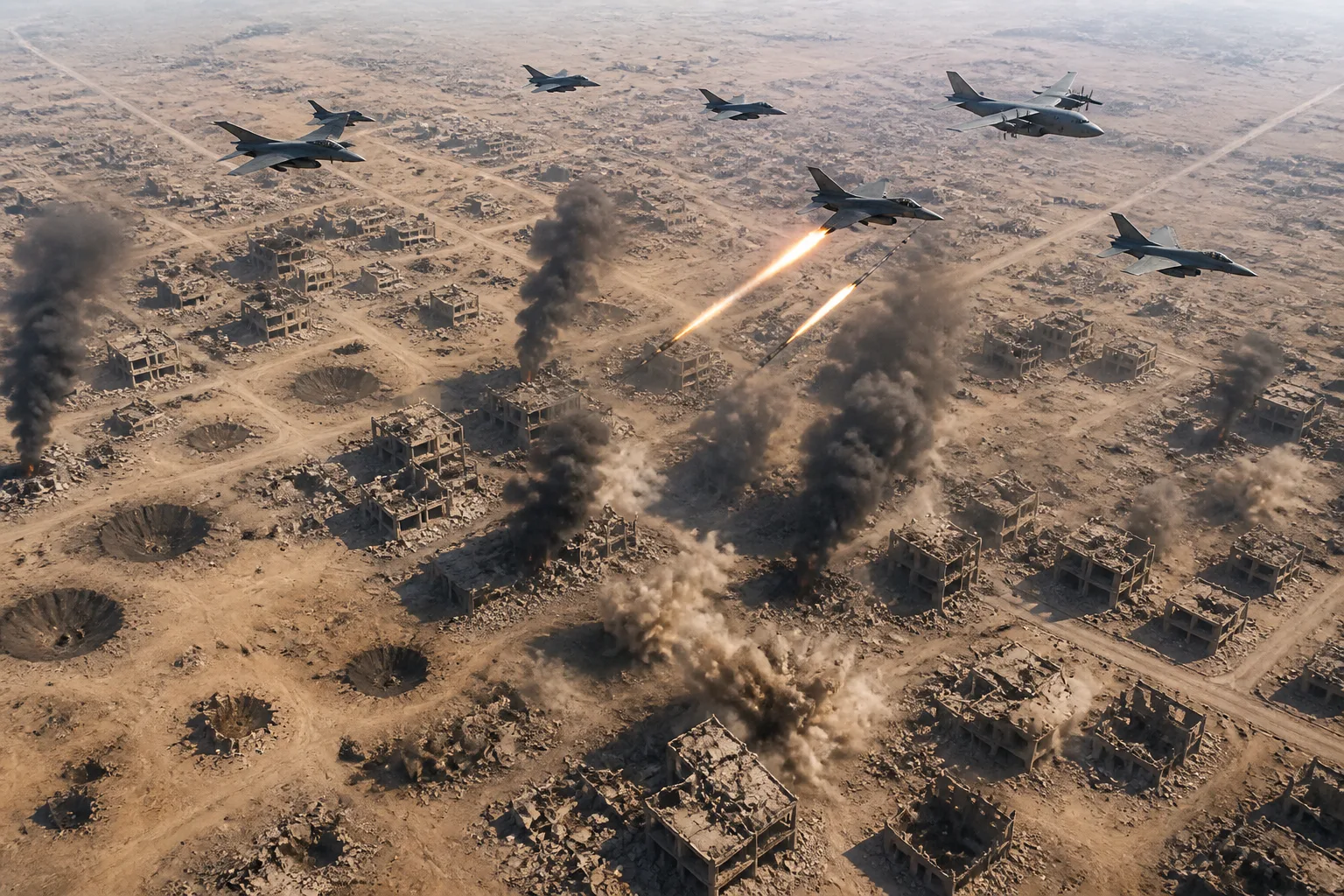
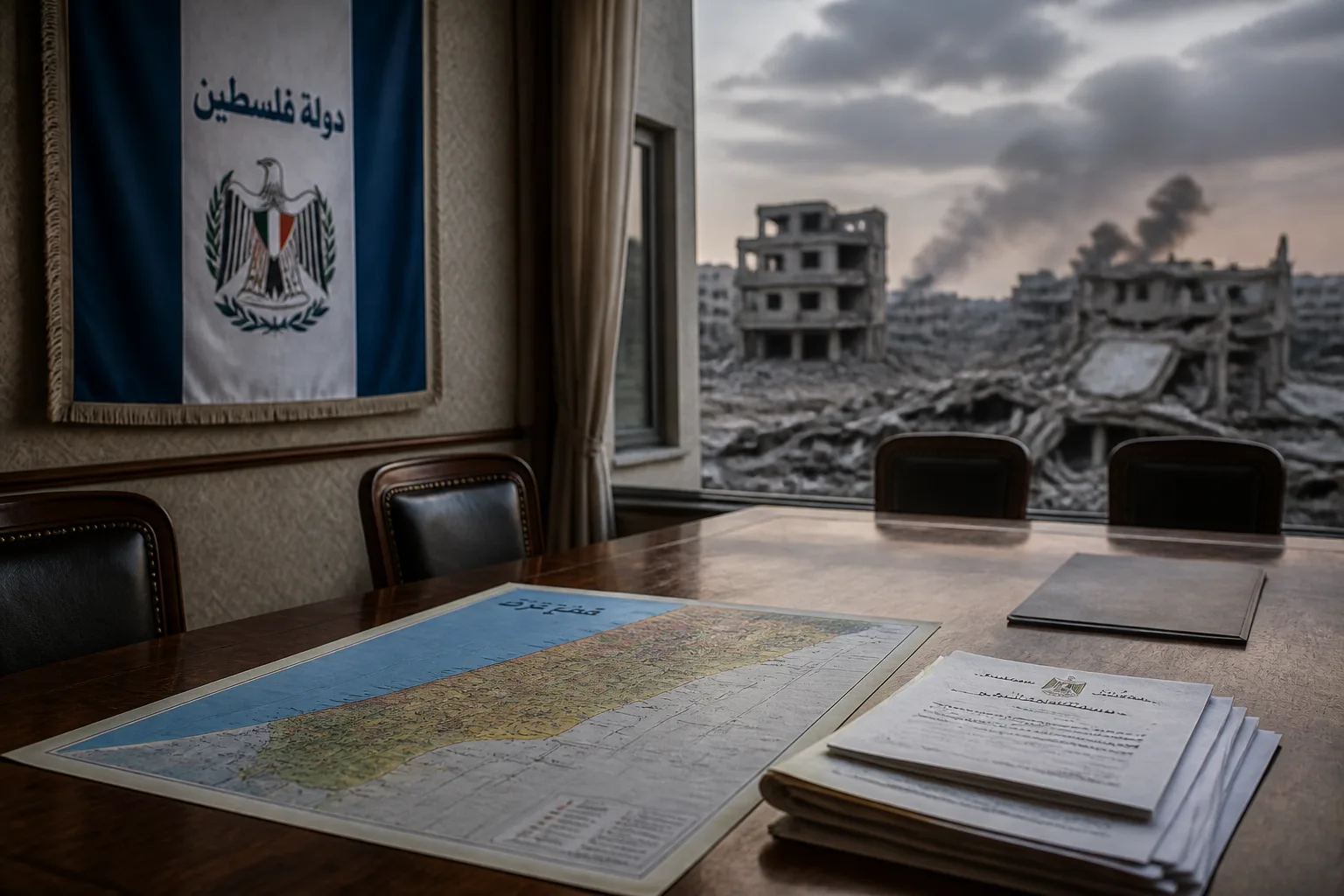
The new chief’s appointment comes while Gaza remains under relentless Israeli bombardment. The strip is largely destroyed, with more than 60 percent of its territory occupied by Israeli forces, and the ceasefire agreement that Hamas accepted has been repeatedly violated. Israel has also signaled intentions to expand its campaign into the West Bank.
Al‑Hayya’s personal history is marked by repeated targeting by Israeli forces. He survived an assassination attempt in 2007 that killed seven members of his extended family. In September 2025 Israeli airstrikes in Doha, Qatar, aimed at Hamas negotiators, killed four of his sons—Osama, Hamza, Hammam and Azzam—and wounded his surviving son Ezzedine. The attacks also killed a grandson in a school in Gaza City in April 2025.
According to reports, the September 2025 strike was Israel’s first known attack in Qatar and was widely condemned internationally. The United Nations Security Council, with U.S. backing, called the action “state terrorism.” The Israeli government defended the strike as a response to a terror attack on a Jerusalem bus stop.
Al‑Hayya’s election restores a single figure to the political bureau, a position that traditionally serves as the public face of Hamas and oversees negotiations with Israel and other regional actors. The movement’s charter calls for the destruction of the Jewish state, and its leaders have consistently rejected Palestinian peace efforts with Israel. Nevertheless, al‑Hayya has led ceasefire talks and prisoner‑exchange negotiations for more than two years, working closely with Qatar, Egypt, Turkey and other regional partners.
The internal vote was conducted under Hamas’s rule that requires an absolute majority of 50 percent plus one of the votes within the Shura Council to win outright. The narrow margin indicates a deep split within the organization, with Meshaal, the former head of Hamas abroad, narrowly losing the contest.
The new leadership will face the challenge of steering Hamas through the ongoing Gaza war, managing relations with regional partners, and addressing the humanitarian crisis in the strip. The movement’s next steps will likely involve continued negotiations with Israel, while maintaining its confrontational stance toward the occupation.
The election of Khalil al‑Hayya marks a significant shift in Hamas’s political leadership amid a period of intense conflict and repeated targeting of its senior figures. The international community will monitor how the new chief’s experience and diplomatic background influence the movement’s strategy and the broader Israel‑Palestine conflict.