Houthis Block Saudi Red Sea Shipping, Heightening Global Oil Supply Concerns
On 20 July 2026 the Yemen‑based Houthi movement announced a maritime blockade of Saudi Arabian shipping through the Red Sea, citing the Saudi‑led intervention in Yemen and the broader Iran‑Israel‑U.S. conflict. The decree, issued from the Houthi capital of Sanaa, states that any Saudi vessel will be denied passage from the Red Sea into the Bab el‑Mandeb Strait.
The move follows a pattern of Houthi attacks on international shipping that began after the Gaza war in 2024. According to the U.N. Security Council’s Resolution 2722, the Houthis have already targeted 178 vessels, sinking four and killing nine sailors. The new blockade is the first time the group has declared a formal maritime restriction on a state other than Israel.
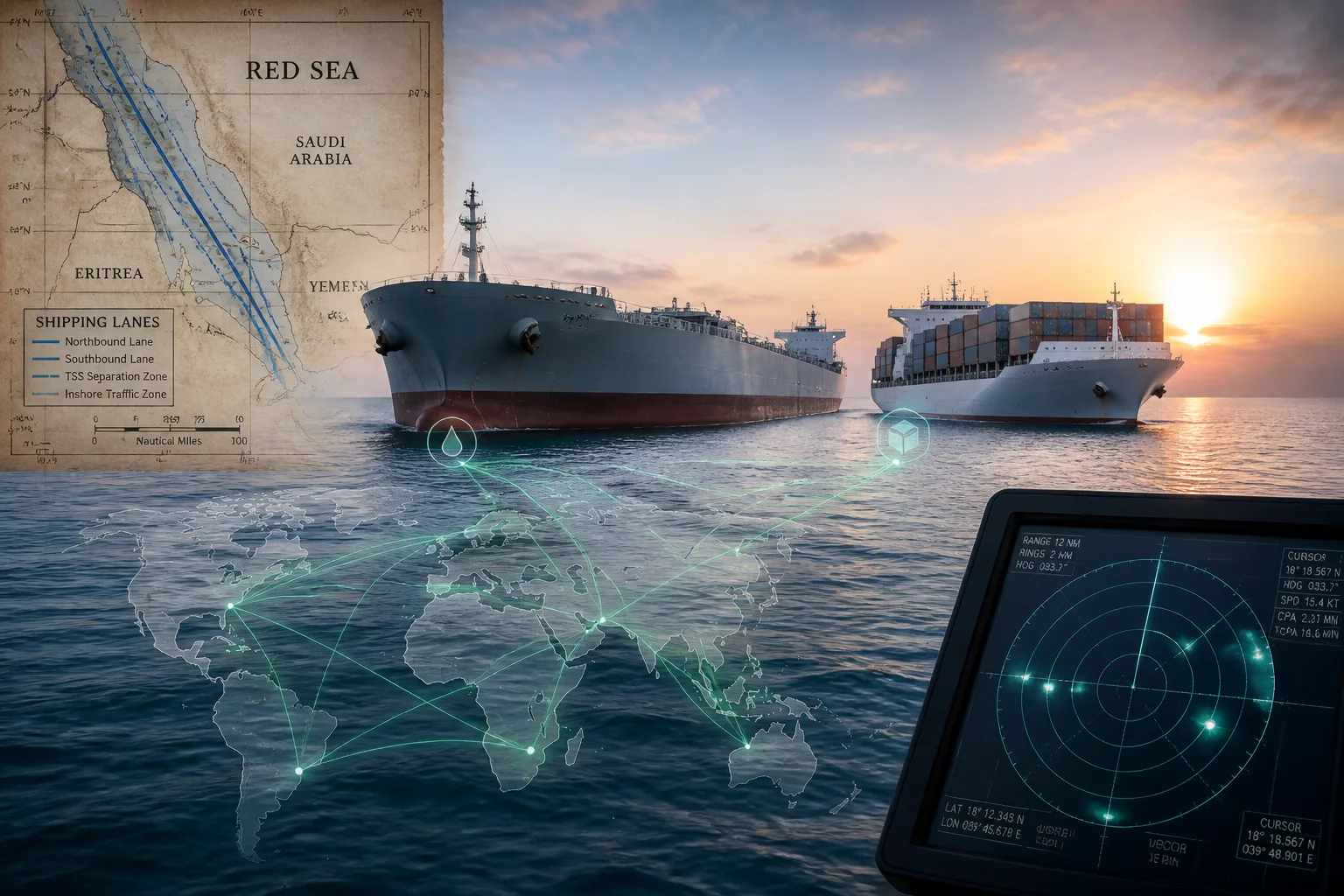
Saudi Arabia’s oil exports are heavily concentrated in the Red Sea corridor. U.S. Energy Information Administration data show that more than 3 million barrels per day of Saudi crude are routed through the Red Sea to Asian markets. The Houthi announcement therefore threatens to divert these flows onto longer routes around the Cape of Good Hope, increasing transit times and costs.
Brent crude prices have already reflected the uncertainty. Bloomberg reports that Brent has risen to $123 per barrel, the highest level since the 1970s oil crisis. The International Energy Agency notes that the blockade could push Saudi exports to the Gulf Cooperation Council (GCC) states onto alternative routes, potentially reducing the GCC’s oil supply by up to 10 million barrels per day by mid‑March 2026.
The blockade also compounds the energy shock caused by Iran’s March 2026 closure of the Strait of Hormuz. The combined effect of the two blockades has led to a 6.7 million barrel per day drop in Gulf oil output by 10 March, and a further 10 million barrels per day by 12 March, according to Gulf‑state energy ministries.
Regional governments have responded cautiously. Saudi Arabia’s Foreign Ministry issued a statement saying it would seek diplomatic solutions while maintaining the right to defend its shipping lanes. The United Arab Emirates, which also relies on the Red Sea for a significant share of its crude imports, has called for an international maritime security operation.
The United States, already engaged in a war with Iran that began on 28 February 2026, has increased naval presence in the Red Sea. The U.S. Central Command deployed Carrier Strike Group 10 to the area on 31 March, marking the first time three aircraft carriers have operated in the region since 2003. The U.S. has also intensified anti‑drone and missile defense measures around the Bab el‑Mandeb Strait.
The blockade’s impact extends beyond oil. The GCC states import about 80 % of their food supplies through the Red Sea and the Suez Canal. A U.N. Development Programme study released on 30 March estimates that the blockade could cause a 70 % disruption in food imports, leading to a 40–120 % spike in consumer prices in Kuwait, Qatar and Bahrain.
The blockade has also raised concerns about maritime security for international shipping. Major shipping companies such as Maersk and MSC have temporarily rerouted vessels around Africa, increasing fuel consumption and insurance premiums. The International Maritime Organization has called for a coordinated response to protect commercial shipping.
In the broader geopolitical context, the Houthi blockade is part of a pattern of escalation that includes Iranian missile and drone strikes on U.S. and allied bases in Jordan and the Gulf. According to the U.S. Central Command, 2 U.S. service members were killed and one missing in a recent Iranian strike on a Jordanian base.
The blockade’s future remains uncertain. The Houthis have not indicated a timetable for lifting the restriction, and no ceasefire or diplomatic agreement has been reached. Saudi Arabia has signaled willingness to negotiate, but the Houthi leadership has warned that any concession would be a sign of weakness.
The international community continues to monitor the situation closely. The U.N. Security Council has scheduled a meeting for 15 August to discuss the blockade and its implications for global energy security.
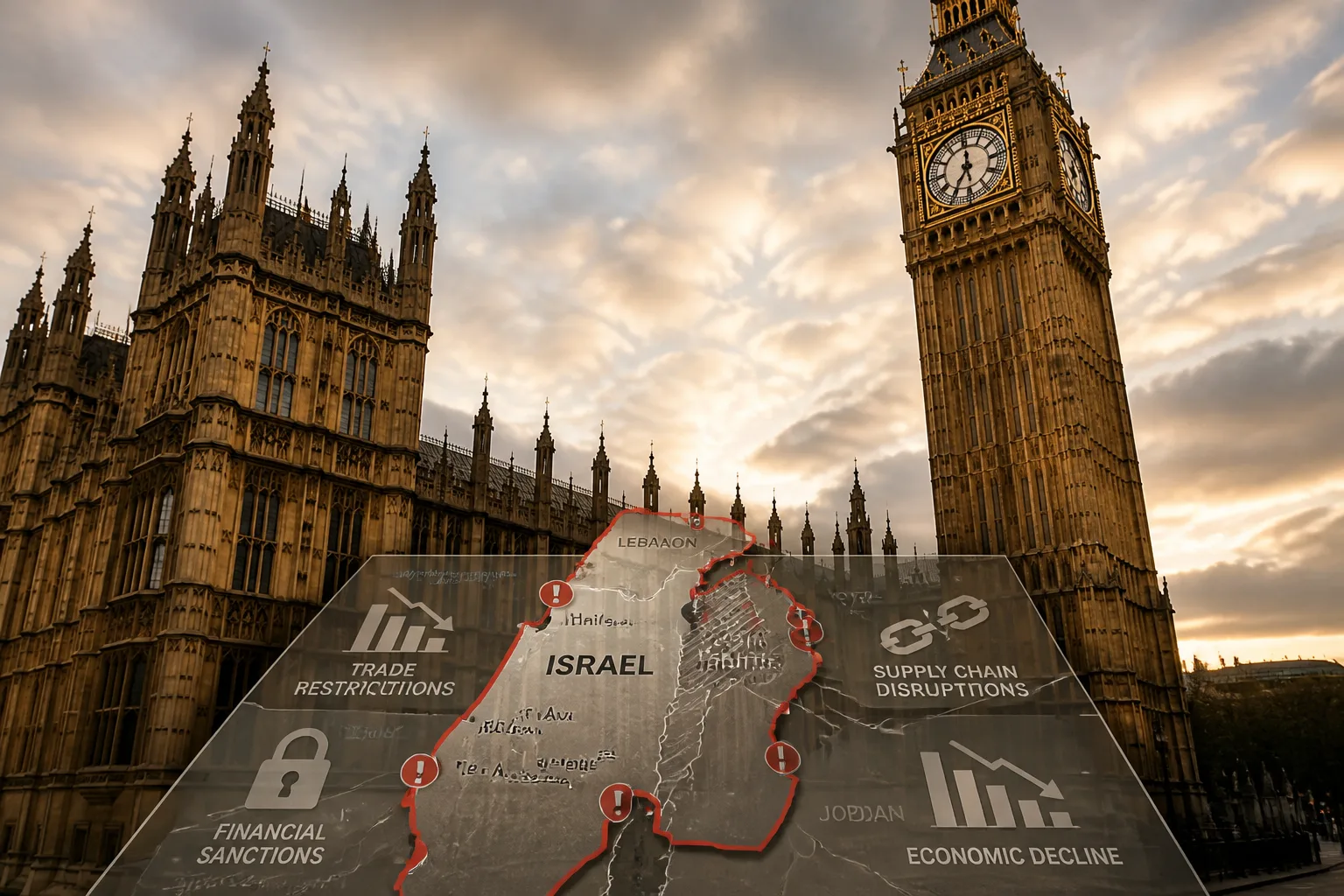
In summary, the Houthi blockade of Saudi shipping through the Red Sea represents a significant escalation in the ongoing Middle East conflict. It threatens to disrupt the flow of Saudi crude to Asia, exacerbate the Gulf’s already strained energy supplies, and increase costs for global shipping and food imports. The blockade’s resolution will likely depend on diplomatic negotiations amid the broader U.S.–Iran war.