Canada Urges Immediate Ceasefire in Middle East, Raises Concerns Over South China Sea Tensions
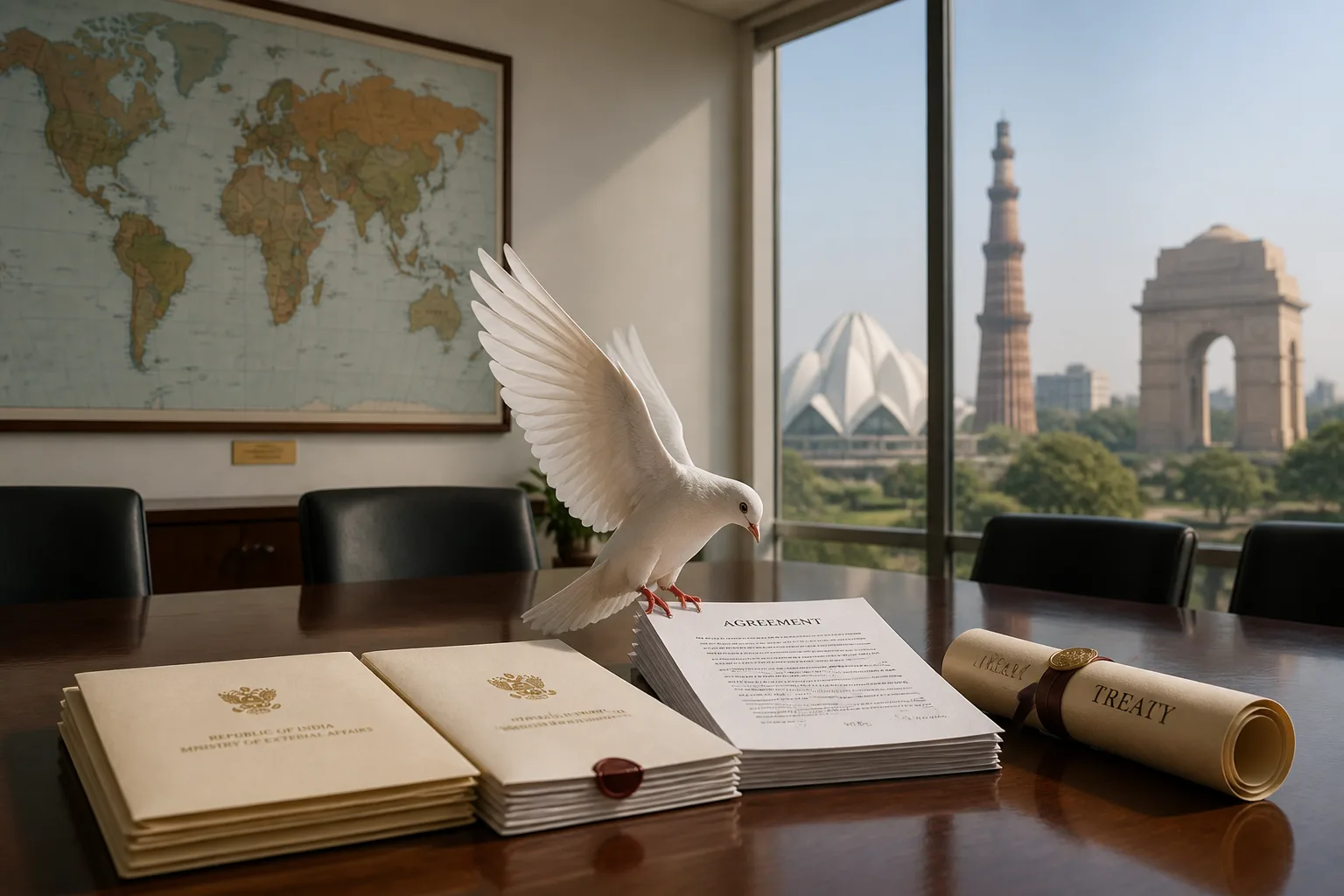
In Manila on Wednesday, Canadian Foreign Minister Anita Anand seized the spotlight at the ASEAN foreign‑ministers’ meeting to call for an immediate de‑escalation and a permanent ceasefire in the Middle East. She warned that the humanitarian crisis is worsening and urged all parties to abandon hostilities and protect civilians.
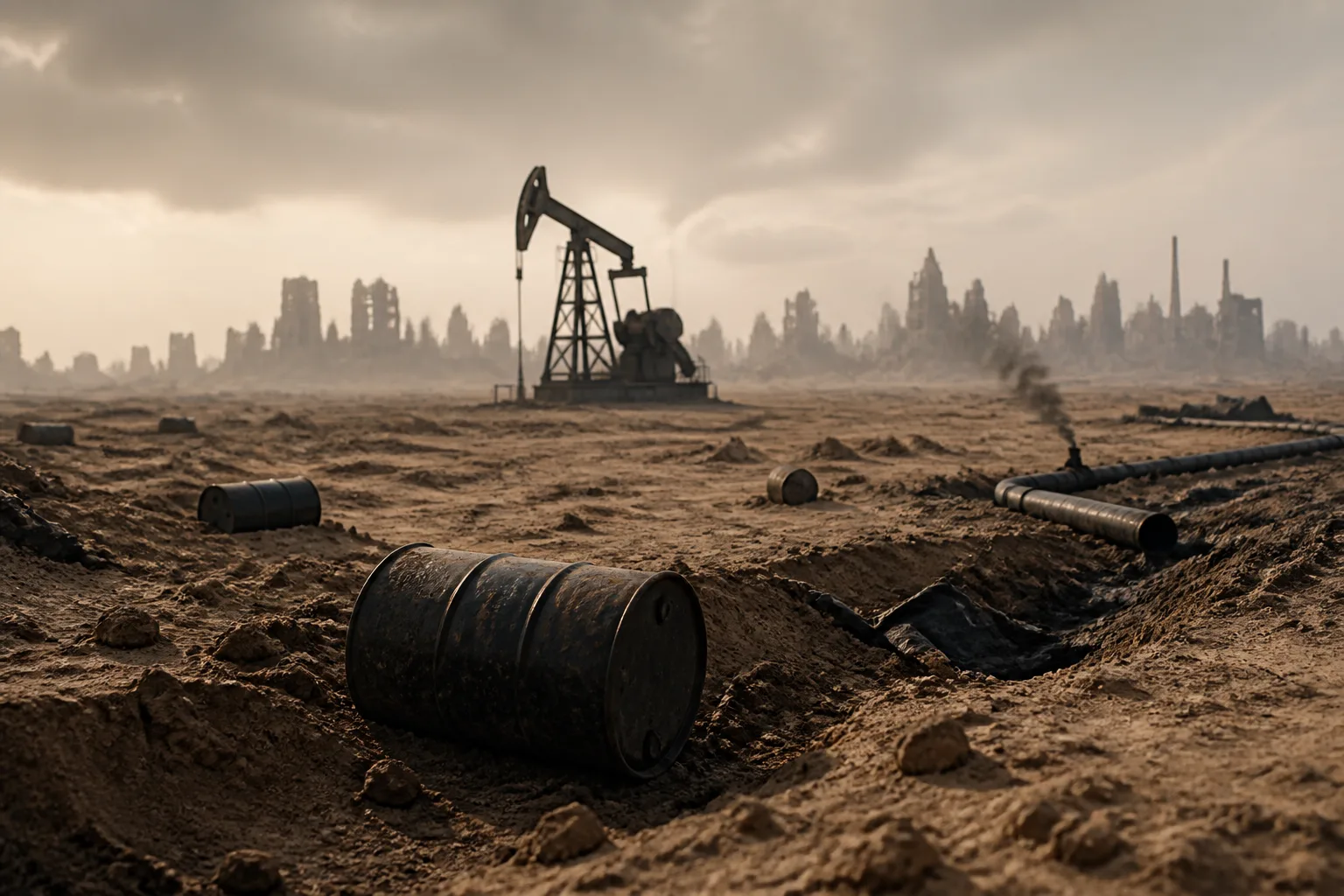
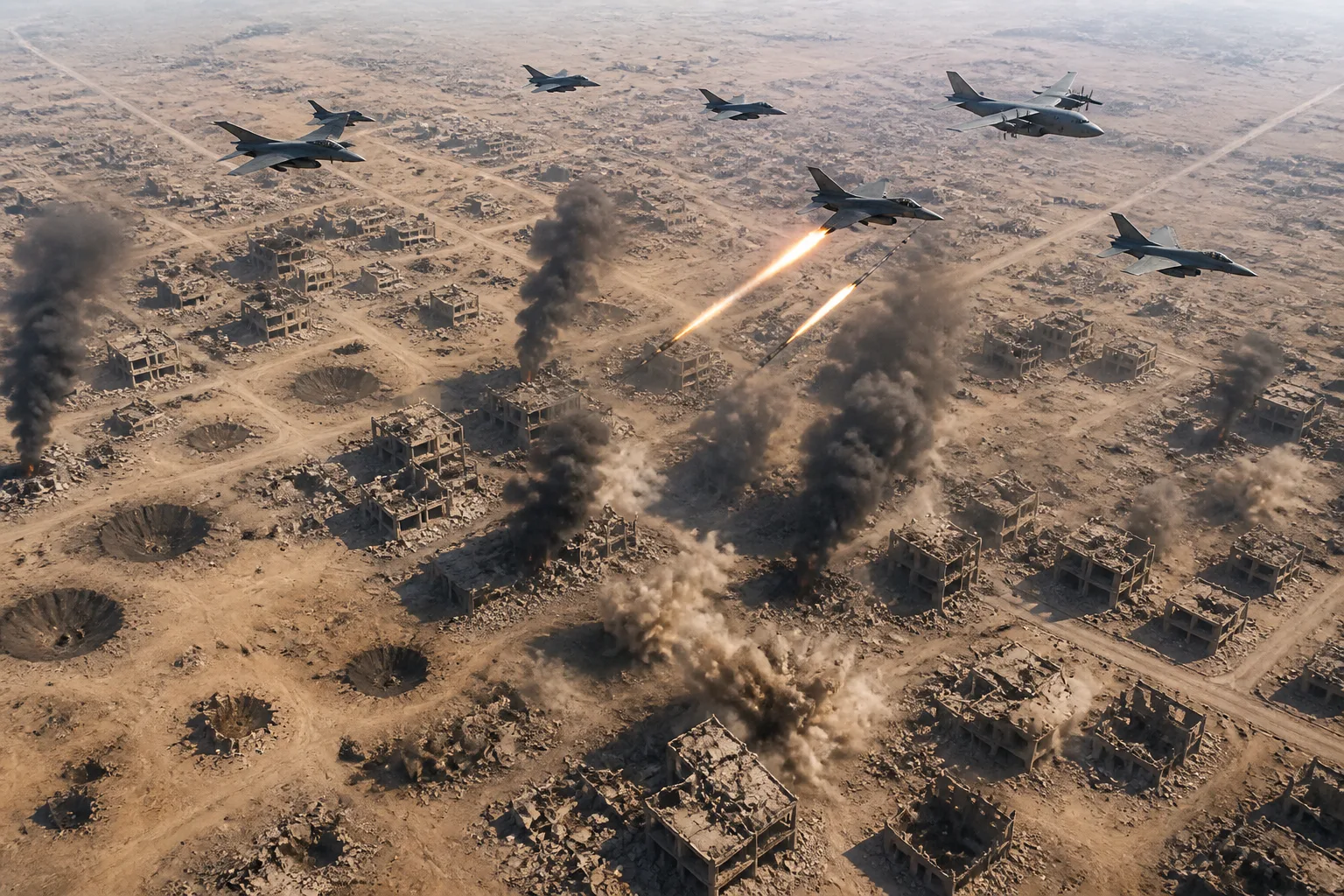
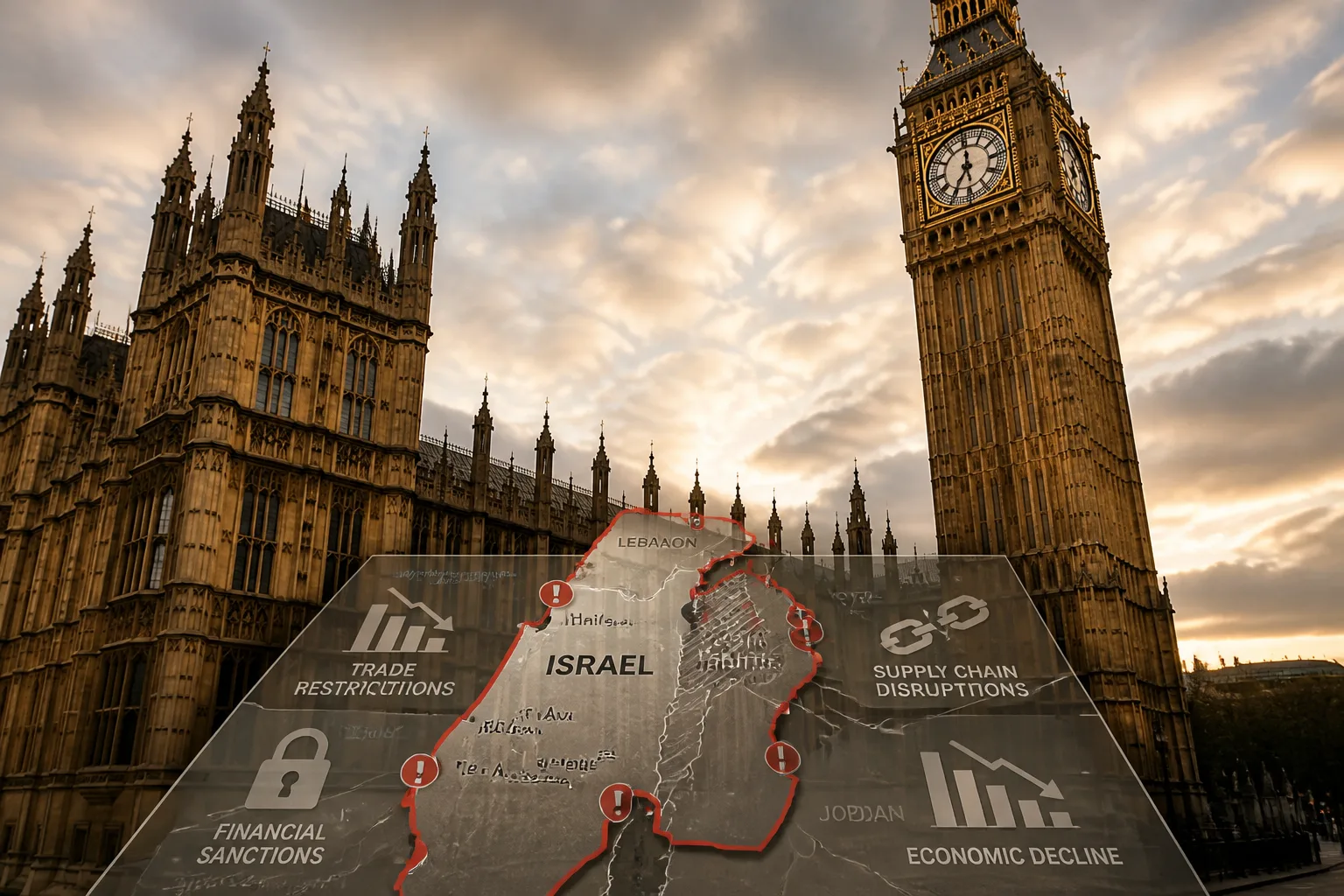
"Hospitals, schools and other civilian infrastructure must be safeguarded," Anand said. She pledged that Canada would continue to champion de‑escalation, a ceasefire and respect for humanitarian considerations and human life. The remarks came as the 2026 Iran war rages, with U.S. and Israeli forces battling Iranian troops and allies. The conflict has triggered the largest supply disruption in the history of the global oil market, the International Energy Agency reports, and has caused widespread shortages of fuel, food and medical supplies across the region.
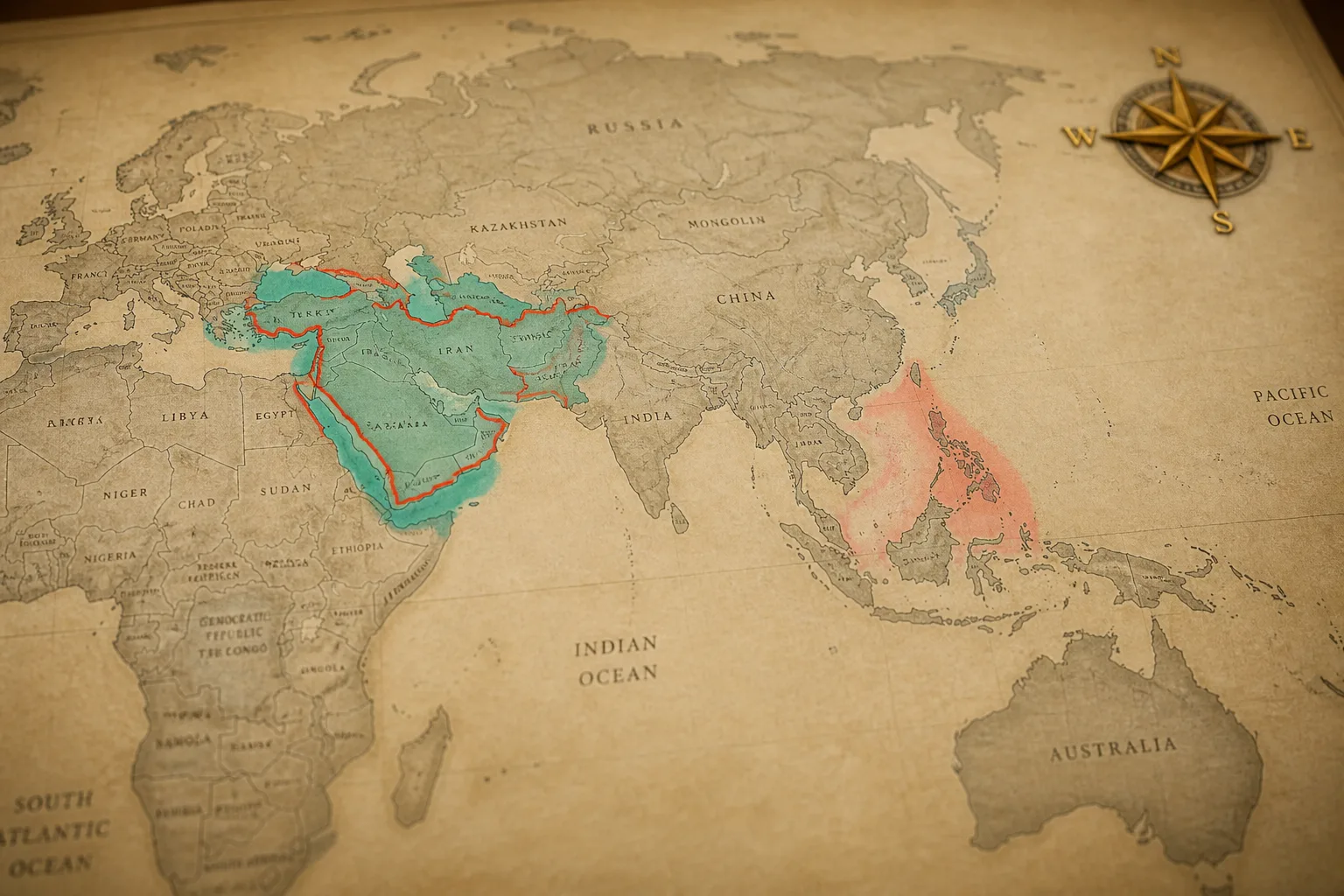
During the same address, Anand turned her attention to a recent confrontation between Philippine and Chinese vessels in the disputed South China Sea. She described the incident as “troubling” and warned that intimidation is not an acceptable means of resolving disputes. Canada reaffirmed its support for settling maritime disagreements under the United Nations Convention on the Law of the Sea (UNCLOS) and its commitment to a free and open Indo‑Pacific. "Whether the issue concerns the Strait of Hormuz or other waterways, international law provides a guidepost for navigation and security," the minister said.
When pressed about her meeting with Chinese Foreign Minister Wang Yi on Tuesday, Anand said the talks covered bilateral relations and regional security. She noted that she raised her concerns about the Indo‑Pacific situation, though she did not elaborate further. The meeting took place against a backdrop of heightened tensions over competing territorial claims in the South China Sea, where recent clashes between Chinese and Philippine vessels have drawn international attention.
Beyond security, Anand highlighted Canada’s economic agenda in Southeast Asia. She said the country is working to strengthen trade ties by advancing negotiations on a free‑trade agreement (FTA) with ASEAN. The minister emphasized that achieving unanimity on the FTA is a top priority at the summit and part of Canada’s broader strategy to diversify trade beyond the United States while expanding its presence in the Indo‑Pacific.
The call for a ceasefire comes as the war in the Middle East has escalated. The conflict began after U.S.–Israeli airstrikes killed several Iranian officials, including Supreme Leader Ali Khamenei, and has since involved missile and drone attacks on Israel, U.S.‑aligned Arab countries and U.S. military bases. Iran’s blockade of the Strait of Hormuz in late March has further disrupted global oil supplies, causing Brent crude to surge past $120 per barrel and forcing Gulf Cooperation Council states to airlift food and fuel. The humanitarian impact has been severe, with thousands of civilian casualties and widespread damage to infrastructure.
Canada’s statements reflect a broader international effort to curb the conflict’s spill‑over effects. The United Nations Security Council passed a resolution condemning Iran’s retaliatory strikes, and several countries have called for restraint. Canada’s emphasis on protecting civilian infrastructure and upholding international law aligns with these global appeals.
At present, Canada is monitoring developments closely and urging all parties to negotiate a permanent ceasefire. The country remains engaged in diplomatic efforts to resolve maritime disputes in the South China Sea and to advance economic ties with ASEAN through the proposed free‑trade agreement.