Tisha B'Av Reflects Amid Renewed Israel-Iran Tensions and Ongoing Hezbollah Conflict
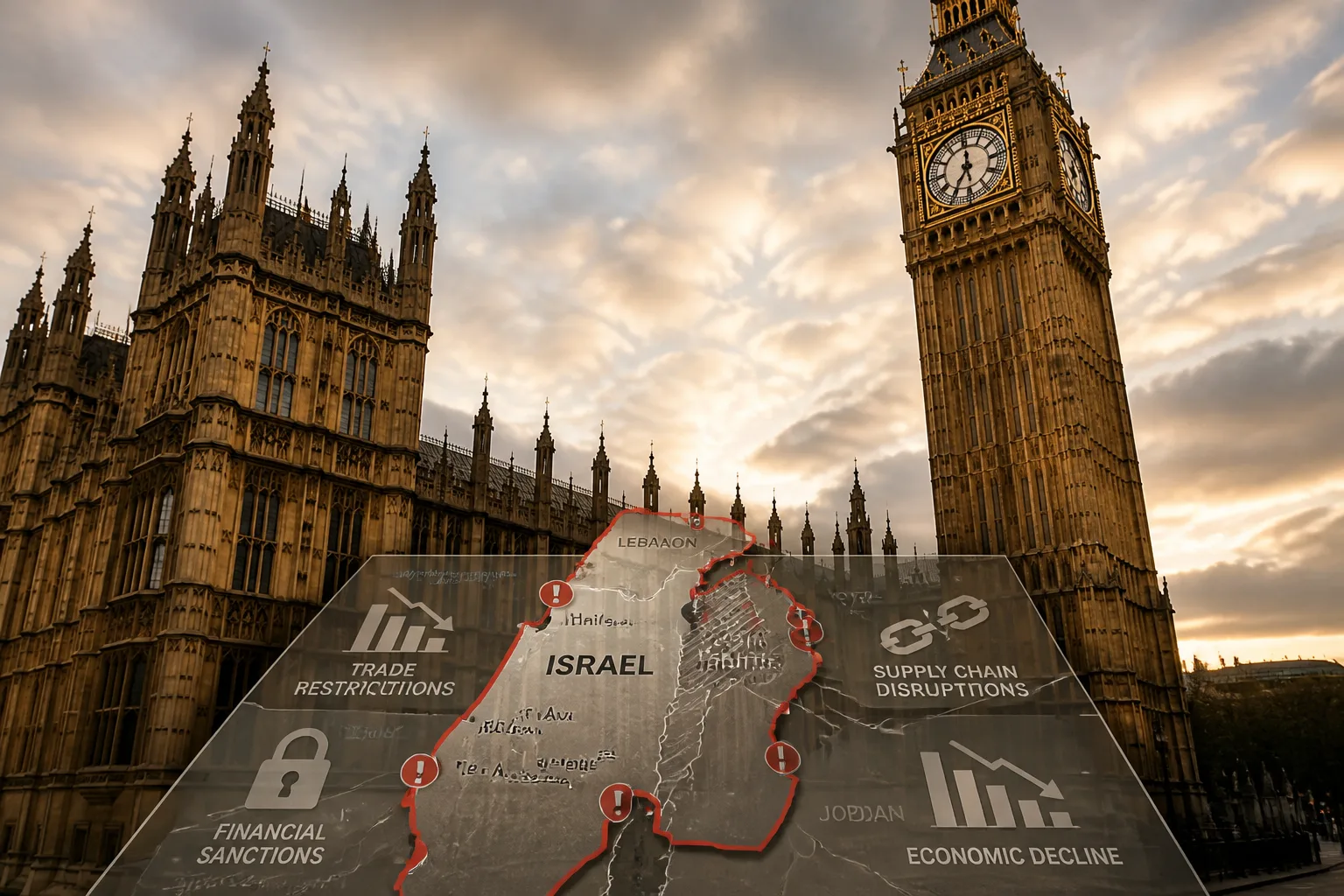
Tisha B'Av, the Jewish fast that mourns the destruction of Jerusalem’s First and Second Temples, falls this week as Israel faces a new round of hostilities with Iran and a continuing war with Hezbollah in Lebanon. The day’s solemn observance has prompted reflection on the region’s long‑standing security challenges and the role of diplomacy in preventing further bloodshed.
The fast, observed on the ninth day of the Hebrew month of Av, is traditionally a time of mourning for the loss of the Temples and for other tragedies that have befallen the Jewish people, including the Holocaust and the 2023‑2024 escalation with Hamas. According to Wikipedia, the Second Temple was destroyed by Roman forces in 70 CE, an event that ended sacrificial worship and led to the rise of Rabbinic Judaism.
Israel’s current security situation is shaped by three intertwined conflicts. First, the Iran–Israel war that began in February 2026 has seen Israeli and U.S. forces conduct airstrikes against Iranian nuclear facilities and the assassination of Iranian Supreme Leader Ali Khamenei. The conflict has escalated after Iran’s support for Hezbollah and other militant groups in the region.
Second, the Hezbollah–Israel conflict, which started on 8 October 2023 in response to Hamas’s attacks, has continued into 2026. Israel has carried out a series of operations in Lebanon, including the 2024 electronic‑device attacks that destroyed Hezbollah’s pagers and walkie‑talkies, and the 2024 headquarters strike that killed Hezbollah’s secretary‑general Hassan Nasrallah.
Third, the broader Gaza war, which began with Hamas’s 7 October attack, has kept Israel’s northern border under constant threat from rocket fire. The Israeli government has repeatedly stated that its operations in Lebanon and against Iranian targets are aimed at neutralising threats to its citizens.
In a recent essay published by lawyer and writer Krull, the author reflects on how the memory of the Temple’s destruction and the ongoing wars influence Jewish attitudes toward conflict and diplomacy. Krull notes that many Jews, including Israeli citizens, view force as the only viable option against perceived existential threats. He cites a Jewish Policy Institute poll that found 69 % of Jewish Israelis support the war with Iran, despite disappointment that the conflict has not yet eliminated Iran’s nuclear program.
Krull also discusses how the trauma of past conflicts, such as the 2006 Lebanon War and the 2004 attack on Hezbollah, has hardened Israeli public opinion. He observes that while some Israelis believe that military action can deter future attacks, others worry that continued reliance on force may lead to a cycle of retaliation and further loss of life.
The personal essay highlights the tension between faith, history, and contemporary politics. Krull writes that the Tisha B'Av fast, which commemorates the loss of the Temples, serves as a reminder that the Jewish people have survived repeated destructions. He argues that this history should encourage a more measured approach to conflict, one that prioritises diplomatic solutions over military escalation.
The Israeli government’s stance remains that Iran poses an existential threat, and that decisive action is necessary to prevent the development of a nuclear weapon. The U.S. has supported Israel’s military operations, citing the need to protect its ally and to maintain regional stability.
Hezbollah, meanwhile, continues to claim that its attacks are in solidarity with Palestinians and that it will not cease until Israel halts its operations in Gaza. The Lebanese government has condemned Israeli strikes as acts of aggression, and the United Nations has called for an end to hostilities.
As Tisha B'Av concludes, the region faces a complex mix of historical memory and present-day security concerns. The day’s fast underscores the importance of remembering past tragedies while seeking pathways to peace. The ongoing conflicts with Iran and Hezbollah, coupled with the Gaza war, present a formidable challenge to Israeli security policy and to the broader stability of the Middle East.
The next steps for the region will depend on diplomatic negotiations, the effectiveness of military operations, and the willingness of all parties to engage in constructive dialogue. The outcome of the current hostilities will shape the security landscape for years to come.