Brazilian Stock Market Slides Amid New US Tariffs and Middle East Tensions
The Ibovespa index fell 1.5 % to close at 174,042 on Friday, marking the first decline of the week as investors reacted to a fresh wave of U.S. tariffs on Brazilian goods and escalating tensions in the Middle East. The drop was compounded by worries about rising inflation and expectations of higher global interest rates, while oil prices—though lower than recent peaks—remained elevated.
The U.S. administration announced a new round of tariffs on Brazilian exports, raising the effective tariff rate on a range of goods to 17.7 % and signalling a potential 25 % tariff for 2026. Brazilian officials described the measure as arbitrary and unjustified, and the government warned it could impose reciprocal tariffs on U.S. products. The tariffs target a broad spectrum of Brazilian commodities, including agricultural products and industrial goods, and are expected to reduce the competitiveness of Brazilian exports in the United States.
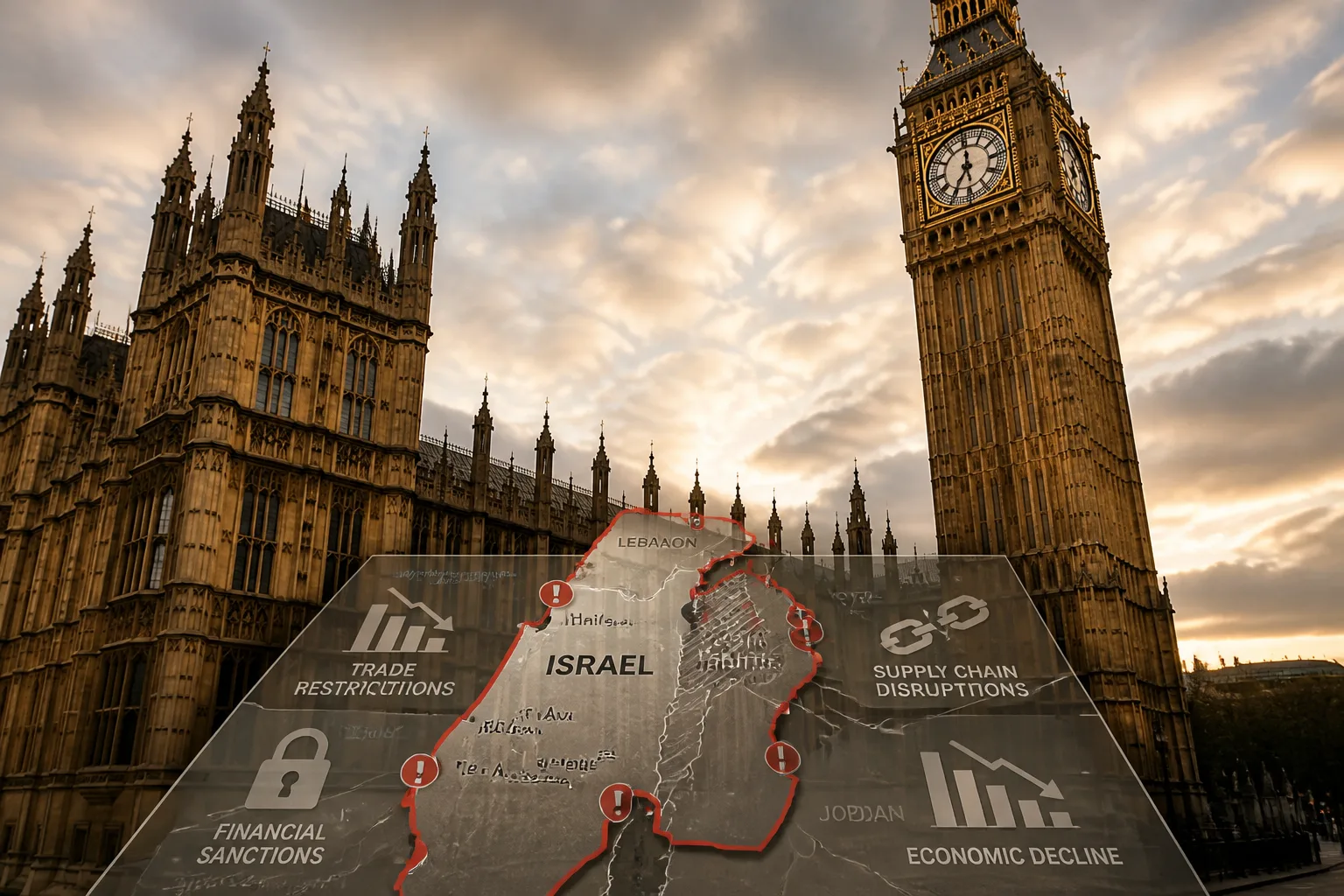
At the same time, the Middle East conflict has intensified. The U.S. and Israel launched a series of airstrikes on Iranian targets on 28 February 2026, prompting retaliatory attacks on U.S. bases and shipping in the region. The conflict has disrupted shipping lanes in the Red Sea and the Strait of Hormuz, contributing to higher oil prices and increased volatility in global commodity markets.
The market reaction was strongest in the banking sector. Banco do Brasil fell 2.8 %, Bradesco dropped 1.3 %, Itaú declined 1.1 %, and Santander lost 1.1 %. The losses reflected concerns about the impact of higher tariffs on the profitability of banks that rely on trade finance and foreign exchange operations. Petrobras fell 1.7 % as oil prices pulled back, while junior producer PRIO lost 2.8 %. Vale declined 0.6 % but still posted a weekly gain of more than 3 % after stronger‑than‑expected production figures were released earlier in the week.
WEG, a Brazilian industrial equipment manufacturer, bucked the market trend by rising 0.7 %. The company’s quarterly results were supported by positive commentary from Goldman Sachs and Itaú BBA, which highlighted the firm’s resilience in the face of commodity price swings.
Brazil’s economy has shown moderate growth in recent years, with a 3.4 % increase in 2024 and a 2.3 % rise in 2025, according to data from the Brazilian Institute of Geography and Statistics. However, inflation expectations have risen, with the median forecast for annual inflation in 2026 moving from 5.11 % to 5.30 % in the latest Focus survey. The Central Bank of Brazil has signaled that it may tighten monetary policy to curb inflation, which could raise domestic interest rates.
Oil prices have remained high, although they have retreated from recent peaks. The combination of higher U.S. tariffs, Middle East conflict, and inflationary pressures has increased risk sentiment among investors. The Brazilian government and corporate sector are monitoring the situation closely, as the new tariffs could affect export volumes and the cost of imported inputs.
In summary, the Ibovespa’s decline reflects a convergence of external trade pressures, geopolitical risk, and domestic inflation concerns. While some sectors, such as Vale and WEG, showed resilience, the overall market sentiment remains cautious as the Brazilian economy navigates the twin challenges of trade restrictions and global commodity volatility.