Hezbollahs Rising Use of FPV Drones Signals New Tactical Threat to Israel
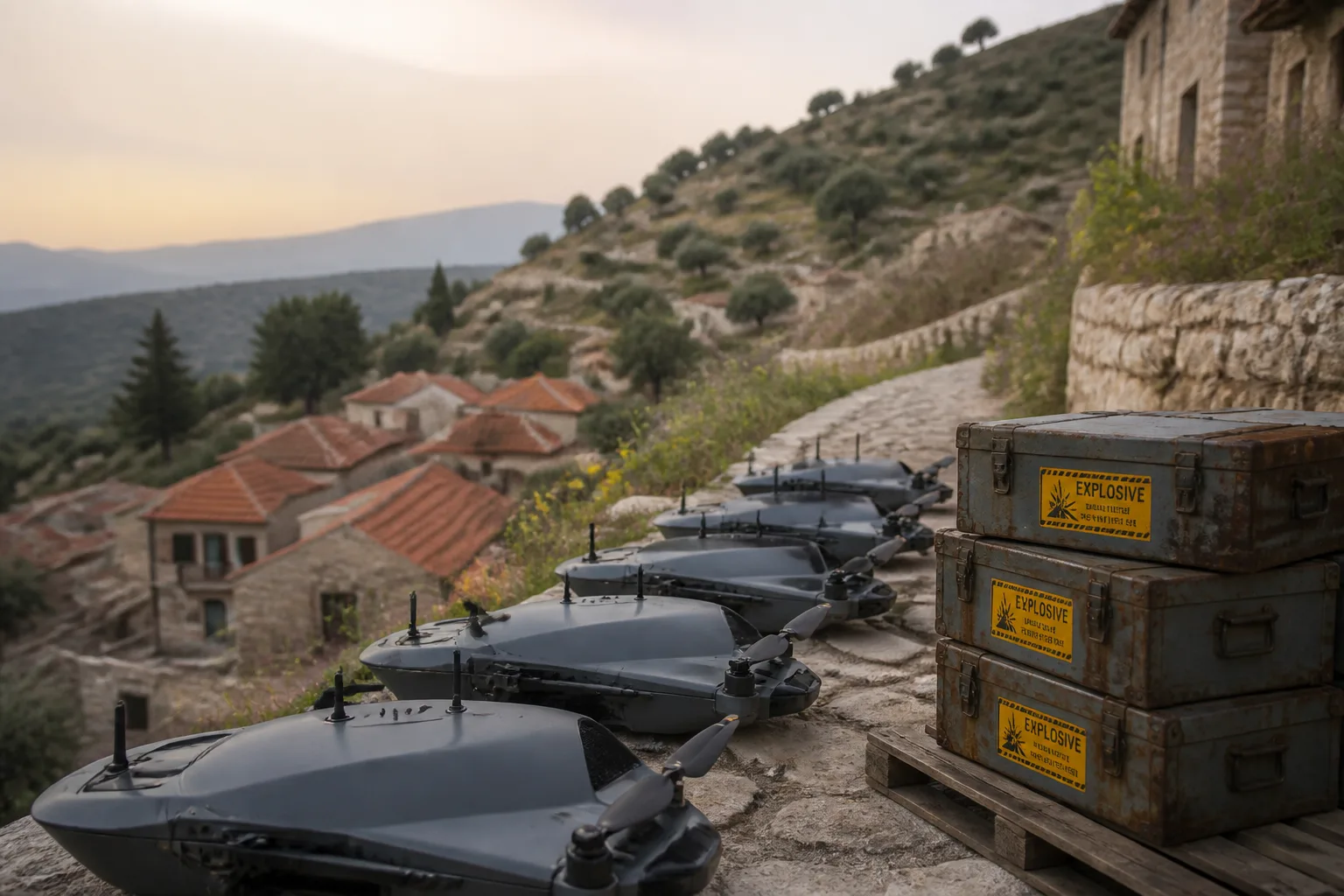
Hezbollah has begun deploying first‑person view (FPV) drones on a growing scale in southern Lebanon and northern Israel between March and June 2026, a shift that could change the dynamics of future clashes with Israel. The group’s use of fiber‑optic guided drones—small loitering munitions that are immune to jamming—has already caused the majority of Israeli Defense Forces (IDF) casualties in the region since the April 2026 ceasefire, according to reports.
The shift began after Hezbollah’s earlier campaigns in 2023 and 2024 exposed the limits of its traditional rocket, missile and anti‑tank guided missile arsenals. The group’s failure to halt Israeli advances in southern Lebanon and to force a withdrawal prompted senior commanders to experiment with cheaper, more precise weapons. By June 2024 Hezbollah was operating FPV drones, but large‑scale use only emerged after the fall of the Syrian regime in December 2024, which cut off a key smuggling route for weapons.
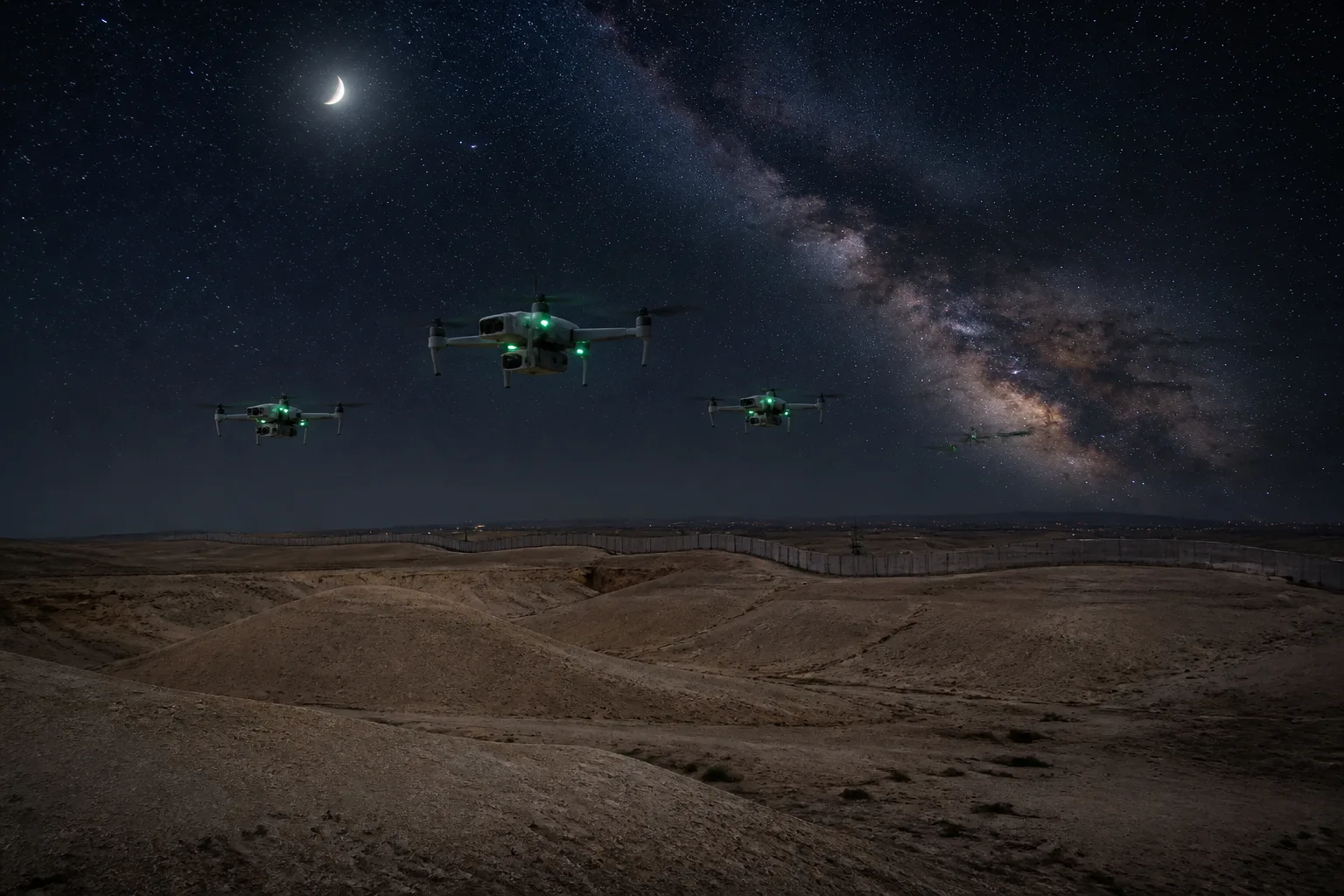
Operationally, Hezbollah’s drone forces remain small and decentralized. About 90 operators are reported to be active in southern Lebanon, a number that is expected to grow as training can be completed in a few weeks. Operators are organized into cells that are not fully integrated with ground units, limiting the ability to coordinate massed attacks or provide real‑time air support to infantry. Most strikes are carried out by a single drone after reconnaissance and a commander’s approval, with “swarm” attacks involving three or more drones launched in quick succession against isolated targets.
Hezbollah’s strategy is rooted in attrition. Secretary General Naim Qassem has said the group seeks to maximize Israeli casualties to pressure the Israeli public and government into withdrawing from Lebanon. The use of FPV drones has indeed increased IDF losses in the area, but the IDF has not yet altered its overall policy. The group’s attacks have forced the IDF to operate more at night and to adjust its security zone, yet the Israeli military has not withdrawn.
Israel’s response has been largely reactive. The IDF has installed passive defenses around key sites and is investing in counter‑drone systems that can intercept fiber‑optic guided UAVs. Trials of interceptor missiles and electronic jamming systems are underway, but the unique characteristics of fiber‑optic drones—no radio signature and a physical cable link—make them difficult to detect and neutralise. The IDF’s current countermeasures are considered rudimentary, and the group’s ability to adapt quickly suggests that Israel will need to accelerate development of more sophisticated defenses.
The broader context is the trilateral framework signed on 26 June 2026 by Israel, Lebanon and the United States, which established a ceasefire and a framework for future negotiations. The agreement has paused active fighting, giving Hezbollah time to rebuild its forces and to train more drone operators. Hezbollah has repositioned fighters in southern Lebanon and has expressed that it will not tolerate a long‑term Israeli presence. The ceasefire also delays the implementation of pilot zones intended to disarm Hezbollah, further extending the window for the group to expand its drone capabilities.
In the medium term, Hezbollah’s continued investment in FPV drones could lead to longer‑range systems that allow attacks from positions further north of the Litani River, complicating Israeli targeting of launch sites. The group’s experience in Ukraine with fiber‑optic drones and its ability to produce low‑cost UAVs suggest that it could scale up operations if resources permit.
At present, the situation remains a stalemate. Hezbollah’s FPV attacks have inflicted casualties and forced the IDF to adapt operationally, but the group has not yet achieved a decisive strategic effect. Israel is developing counter‑drone technology and monitoring Hezbollah’s training and expansion, while the ceasefire provides a temporary pause that may allow both sides to reassess their positions.
The next phase will likely involve intensified Israeli counter‑drone efforts and continued Hezbollah training, with the potential for renewed clashes if the ceasefire is violated or if Hezbollah’s drone operations expand beyond current levels.