WTI Prices Rally Amid Escalating US-Iran Tensions and Supply Concerns
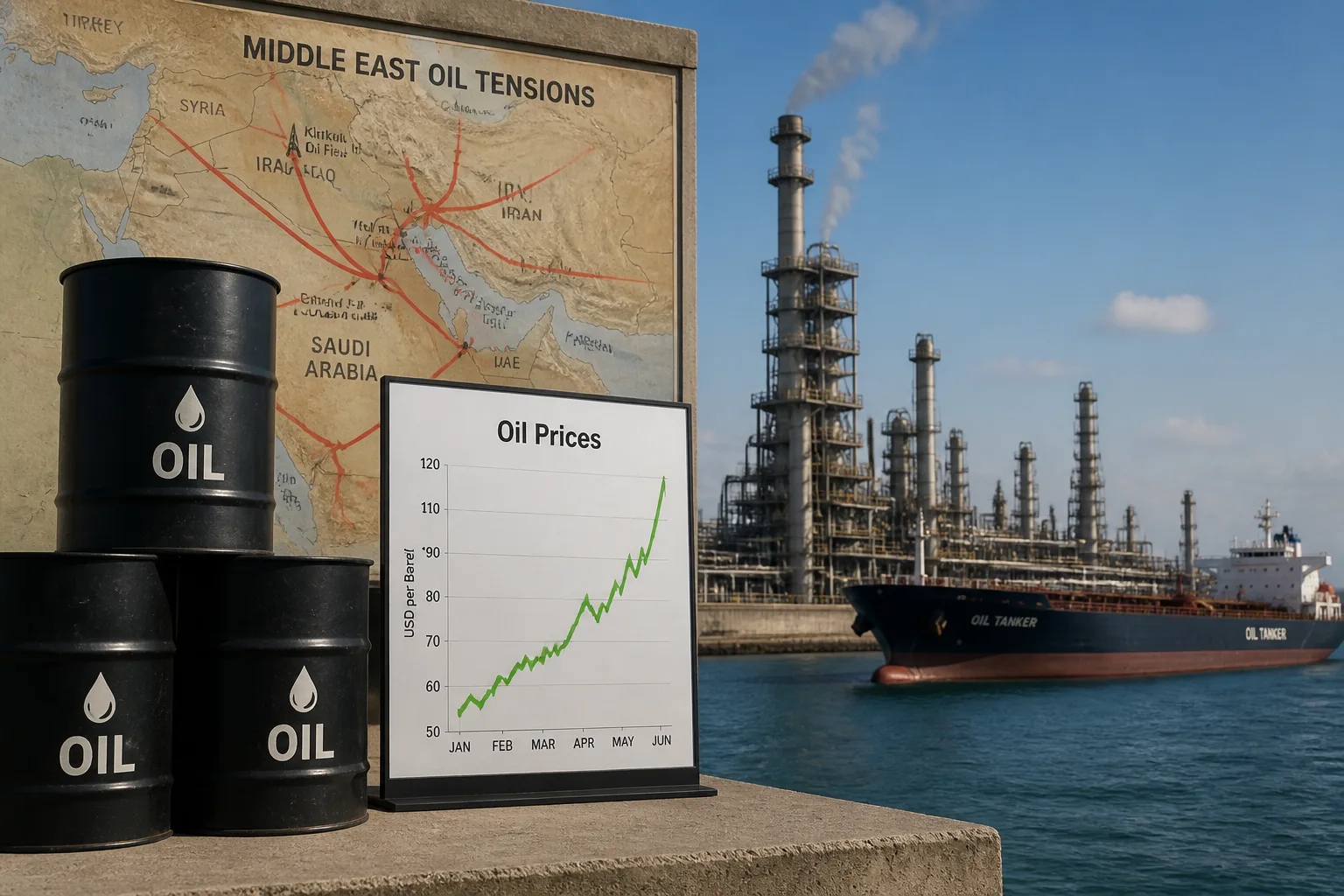
West Texas Intermediate (WTI) crude oil futures rebounded sharply on Wednesday, climbing nearly 4 % to the mid‑$81 range after a three‑day decline that had pushed the benchmark to a more than two‑week low on Tuesday. The surge follows a series of events that have heightened geopolitical risk in the Middle East and raised concerns about disruptions to key shipping lanes.
The price rebound is linked to a fresh escalation between the United States and Iran. On Tuesday, Iran’s Islamic Revolutionary Guard Corps (IRGC) launched multiple ballistic missiles at U.S. forces stationed across the region. The U.S. Central Command confirmed that the missiles were intercepted and described the attack as an “attempted surprise attack.” In response, the U.S. and Saudi Arabian forces carried out joint precision strikes against Iranian‑aligned militias in eastern Iraq. These actions intensified the standoff around the Strait of Hormuz, a choke point that supplies a significant portion of the world’s oil.
Shipping traffic through the Strait of Hormuz has already fallen sharply. Data from the Joint Maritime Information Centre and Kpler show that the average number of vessels passing the strait has dropped to single digits in recent days, the lowest daily figure in several weeks. The reduced flow has amplified fears that Iran could close the waterway or deploy mines, which would severely constrain the flow of crude and refined products to Europe and Asia.
Adding to supply concerns, Iran‑backed Houthi forces in Yemen announced a naval blockade targeting Saudi Arabia in the Red Sea. The blockade is the first time the Houthis have taken a direct stance against a major oil producer in the region. The move has broadened the scope of potential disruptions, as the Red Sea is a critical route for oil heading to the Suez Canal and beyond.
The combination of missile attacks, joint strikes, and shipping disruptions has increased the geopolitical risk premium that traders attach to oil. A weaker U.S. dollar has also supported crude prices, as USD‑denominated commodities become cheaper for overseas buyers. The dollar’s decline is reflected in the recent 0.5 % drop in the U.S. dollar index, which has helped buoy oil prices ahead of the Federal Open Market Committee’s policy meeting.
Beyond the immediate political developments, other market fundamentals are reinforcing the bullish outlook. The American Petroleum Institute’s weekly inventory report, released on Tuesday, showed a modest draw of 1.2 million barrels, while the Energy Information Administration’s data, published on Wednesday, indicated a smaller decline of 0.8 million barrels. Falling inventories suggest that demand is outpacing supply, supporting higher prices.
OPEC+ production decisions also play a role. The alliance has maintained a production cut of 1.5 million barrels per day, a level that keeps supply tight. While the group has not announced any changes to its quotas, the continued commitment to cuts signals that the supply side remains constrained.
In summary, WTI futures have rebounded to the mid‑$81 level after a period of decline, driven by heightened tensions between the United States and Iran, missile attacks, joint military strikes, and concerns over shipping disruptions in the Strait of Hormuz and the Red Sea. A weaker dollar and modest inventory draws have further supported the price. Market participants remain vigilant as the situation develops.
The next key data points will be the upcoming OPEC+ meeting and the U.S. dollar index’s performance ahead of the Fed’s policy decision. Traders will also watch for any changes in shipping traffic through the Strait of Hormuz and the Red Sea that could alter the risk premium.