Indias India-Middle East-Europe Economic Corridor Faces Geopolitical and Security Challenges
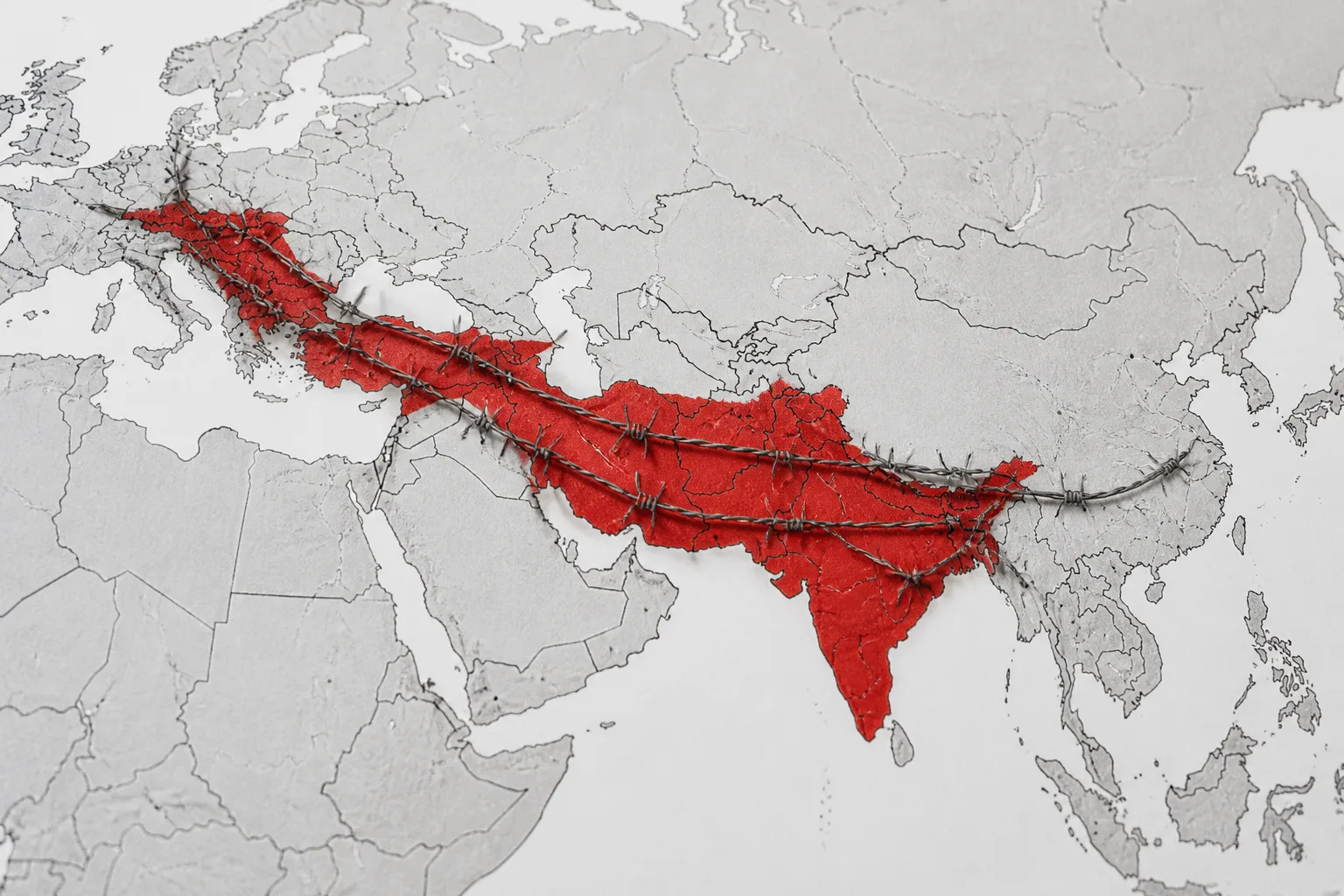
India announced the India‑Middle East‑Europe Economic Corridor (IMEC) at the 2023 G20 summit in New Delhi, proposing a transport and logistics network that would link India with Gulf states, Israel and Europe. The project received backing from the United States, the European Union, Saudi Arabia, the United Arab Emirates (UAE), France, Germany and Italy, and the European Commission. IMEC is designed to reduce transit times between India and Europe by about 40 % and lower transport costs by roughly 30 % by creating a dual‑route system: an eastern maritime corridor that connects India to Gulf ports and a northern rail‑and‑maritime corridor that would carry goods from Saudi Arabia through Jordan to the Israeli port of Haifa and onward to Europe.
The corridor’s infrastructure plan includes a network of railway lines, shipping routes, high‑speed data cables and energy pipelines. A key milestone was the 2022 privatization tender for the Port of Haifa, where India’s Adani Ports and Special Economic Zone Ltd (APSEZ) acquired a 70 % stake and Israel’s Gadot Group a 30 % stake in a $1.2 billion deal. The port is expected to serve as a strategic hub for the northern route. The initiative also aligns with the I2U2 framework—India, Israel, the United States and the UAE—which seeks to deepen cooperation in trade, security and technology.
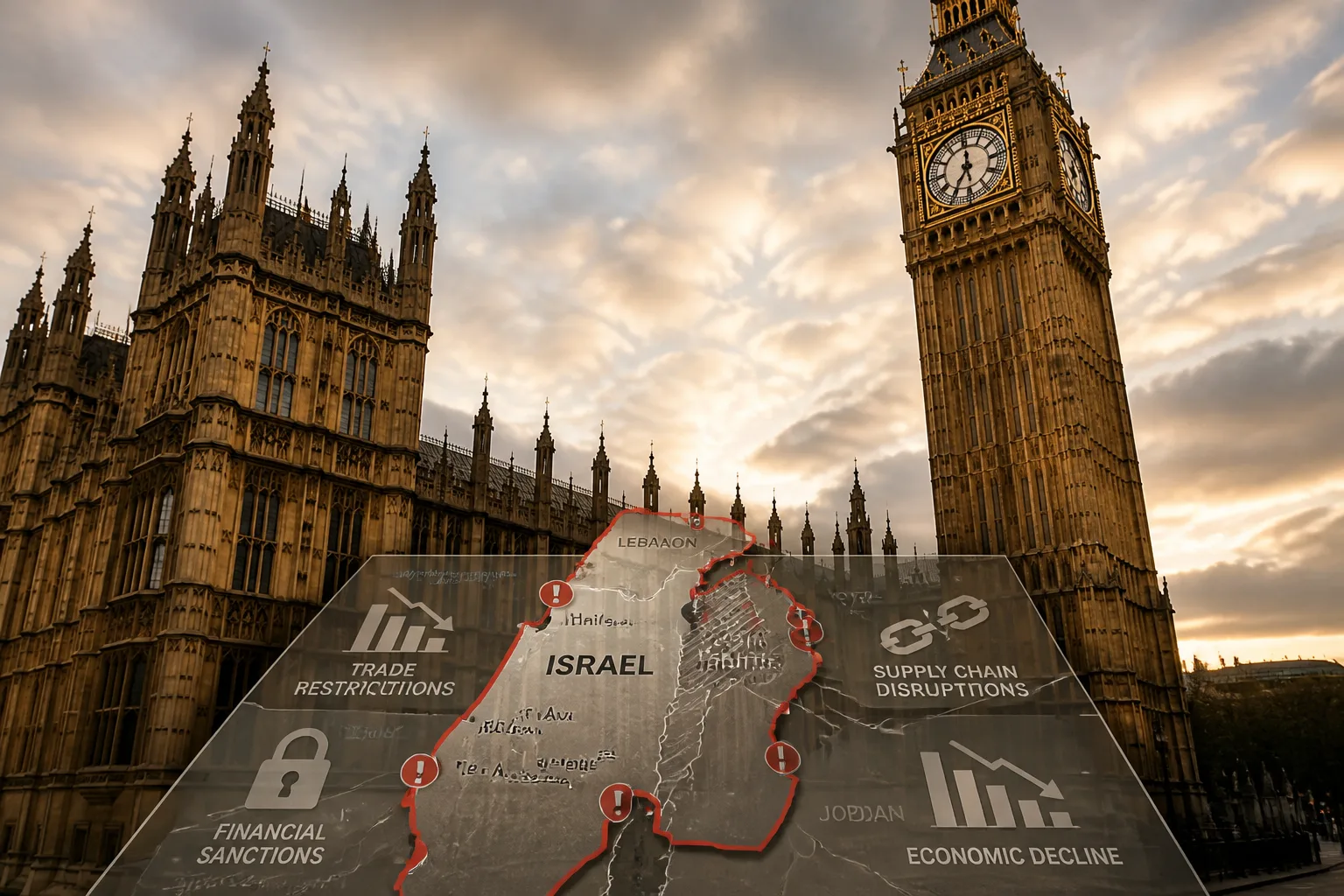
Despite the support, IMEC faces significant opposition. Iran and its allies have expressed strong disapproval, citing the inclusion of Israel and Saudi Arabia as a threat to regional stability. Tehran has also raised concerns about Saudi Arabia’s perceived move toward normalizing relations with Israel, a factor that some analysts link to the 2023 Gaza conflict. Turkey, led by President Recep Tayyip Erdoğan, has consistently argued that a corridor cannot exist without Turkish participation. Ankara promotes its own Development Road, which would route trade through Iraq and Turkey, and seeks to maintain control over regional logistics. Egypt views IMEC as a potential competitor to the Suez Canal, whose revenues are vital to the Egyptian economy.
Security challenges further complicate the project. Houthi attacks in the Red Sea have disrupted shipping lanes that are critical to both the Suez Canal and the proposed maritime routes. The Gaza war halted progress on the northern rail link, as Saudi Arabia’s stance on normalizing ties with Israel remains a key obstacle. Additional instability in Lebanon, Syria and Yemen, along with tensions over Iran’s nuclear programme, add to the uncertainty surrounding the corridor’s northern segment.
Progress has been made on the eastern side. In April 2025, construction began on several key components, including railway lines, ports and motorways. The virtual trade corridor between India’s Mundra and Jawaharlal Nehru ports and the UAE’s Jebel Ali port has taken shape, supported by digital customs procedures and real‑time data exchange. The bilateral Intergovernmental Framework Agreement between India and the UAE, effective since 2024, provides an institutional foundation for this segment.
The corridor’s broader significance lies in its potential to offer an alternative to the Suez Canal, reducing India’s reliance on a route vulnerable to regional conflicts. It also positions India, Saudi Arabia and the UAE as counterweights to China’s Belt and Road Initiative, aligning with Washington’s strategy to limit Chinese, Russian and Iranian influence in the Middle East. Economic data underscore the project’s relevance: in 2022, the EU imported $46.22 billion worth of goods from Saudi Arabia and exported $32.81 billion to the kingdom; EU exports to the UAE totaled $37.38 billion, while imports from the Emirates were $14.7 billion.
At the 2026 Munich Security Conference, participants discussed a modular approach to IMEC, prioritizing politically viable and economically feasible segments rather than waiting for a full political breakthrough. The corridor’s success will depend on resolving religious and ideological divisions, securing stable security conditions, and achieving consensus among the diverse stakeholders. For now, the eastern maritime corridor is under construction, while the northern rail link remains stalled pending diplomatic progress.
In summary, IMEC represents a bold attempt by India and its partners to reshape trade and logistics in the Middle East and Europe. While tangible progress has been made on the eastern side, geopolitical tensions, security threats and opposition from key regional actors continue to impede the full realization of the corridor.