U.S. State Department Issues Travel Warning Amid Escalating Middle East Tensions
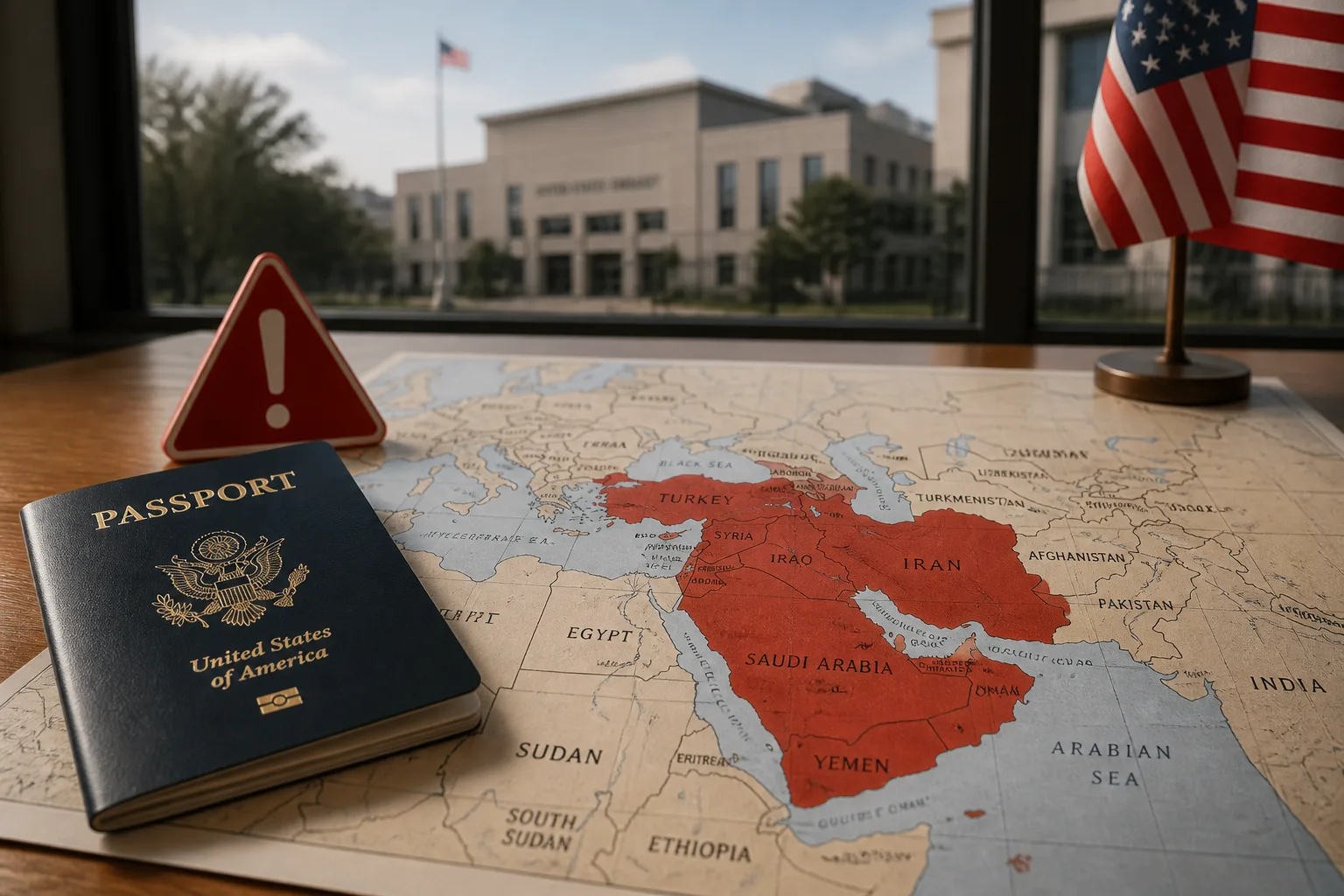
On Saturday, August 1, the U.S. Department of State released a stern travel warning, urging American citizens in the Middle East and beyond to exercise heightened caution amid a sharp rise in tensions between Washington and Tehran. The alert warns of possible flight disruptions—cancellations, delays, and temporary airspace closures—and advises U.S. travelers to consider alternative departure options.
The warning comes on the heels of a series of events that have intensified an already volatile security environment. After the U.S. and Israel launched a joint strike on Iranian targets on February 28, hostilities expanded into a broader conflict that has seen air strikes, missile exchanges, and retaliatory attacks. A ceasefire agreement signed on June 14 has held for the past month, yet sporadic flare‑ups and the potential for sudden escalation remain.
According to the State Department, several airlines operating in the region have paused the resumption of their regular flight schedules, while others have canceled specific routes. The alert cautions that airlines may alter itineraries on short notice, urging passengers to monitor updates from airports and carriers before and during travel. The Department also warned that U.S. diplomatic missions and interests worldwide could face security threats, noting that Iran and affiliated groups may target locations or entities associated with the United States and American citizens, including U.S. companies and institutions outside the region.
U.S. embassies in a wide range of Middle Eastern countries—Saudi Arabia, the United Arab Emirates, Qatar, Kuwait, Jordan, Iraq, Bahrain, Egypt, Lebanon, Oman, Israel, the West Bank, and the Gaza Strip—issued updated security alerts on the same day. The embassies described the regional security situation as complex, with the potential for sudden developments or unexpected escalation. They urged American citizens to follow official security guidance, take appropriate precautions, and remain vigilant. The alerts also reminded travelers that the security environment could change rapidly and that they should stay informed through embassy communications and local news.
The travel warning is part of a broader effort by the U.S. government to protect its citizens abroad. The State Department’s Bureau of Consular Affairs regularly issues travel advisories and security alerts in response to evolving threats. In this instance, the alert specifically addresses the heightened risk of aviation disruptions and the possibility of attacks on U.S. personnel and property. The Department recommends that Americans outside the Middle East reassess any travel plans that involve the region and to closely monitor updates from airports and airlines.
The warning arrives as the U.S. grapples with the fallout of the recent ceasefire. While the agreement has reduced large‑scale hostilities, the presence of Iranian‑backed militias and ongoing diplomatic negotiations mean that the security situation remains fragile. The Department’s alert reflects the need for U.S. citizens to remain cautious even as the immediate threat of large‑scale conflict has subsided.
In summary, the U.S. State Department’s security alert on August 1, 2026 advises American travelers in the Middle East and beyond to exercise increased caution, prepare for possible flight cancellations and airspace closures, and stay informed about developments that could affect their safety. U.S. embassies across the region have reinforced these recommendations, emphasizing the complex security environment and the potential for sudden escalation. Travelers are urged to follow official guidance, monitor airline and airport updates, and consider alternative travel arrangements if necessary. The current situation remains fluid, and the State Department will continue to update its advisories as new information becomes available.