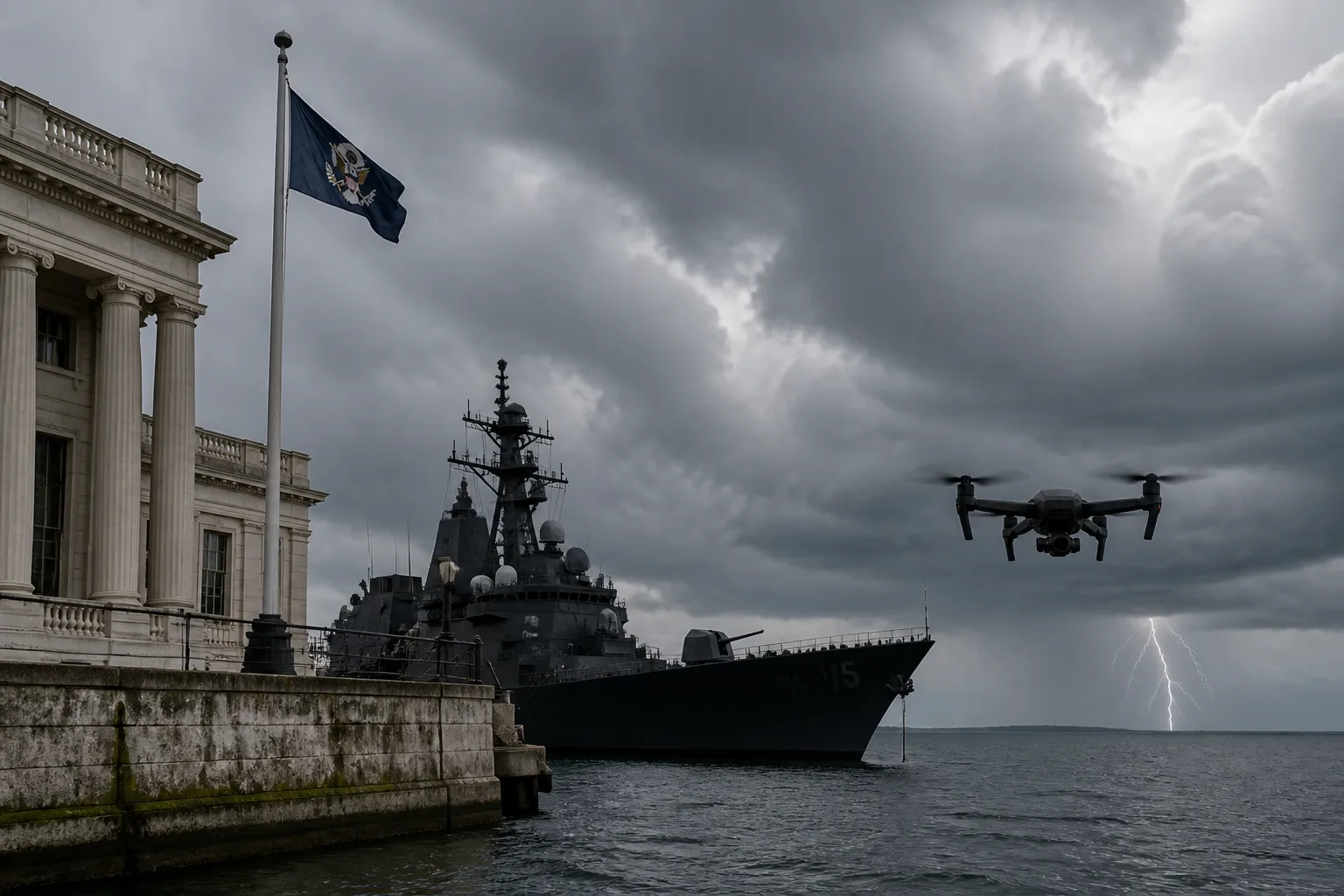
US Embassies Warn Citizens Amid Escalating Iran-US Conflict, Drone Attacks Hit US Vessels
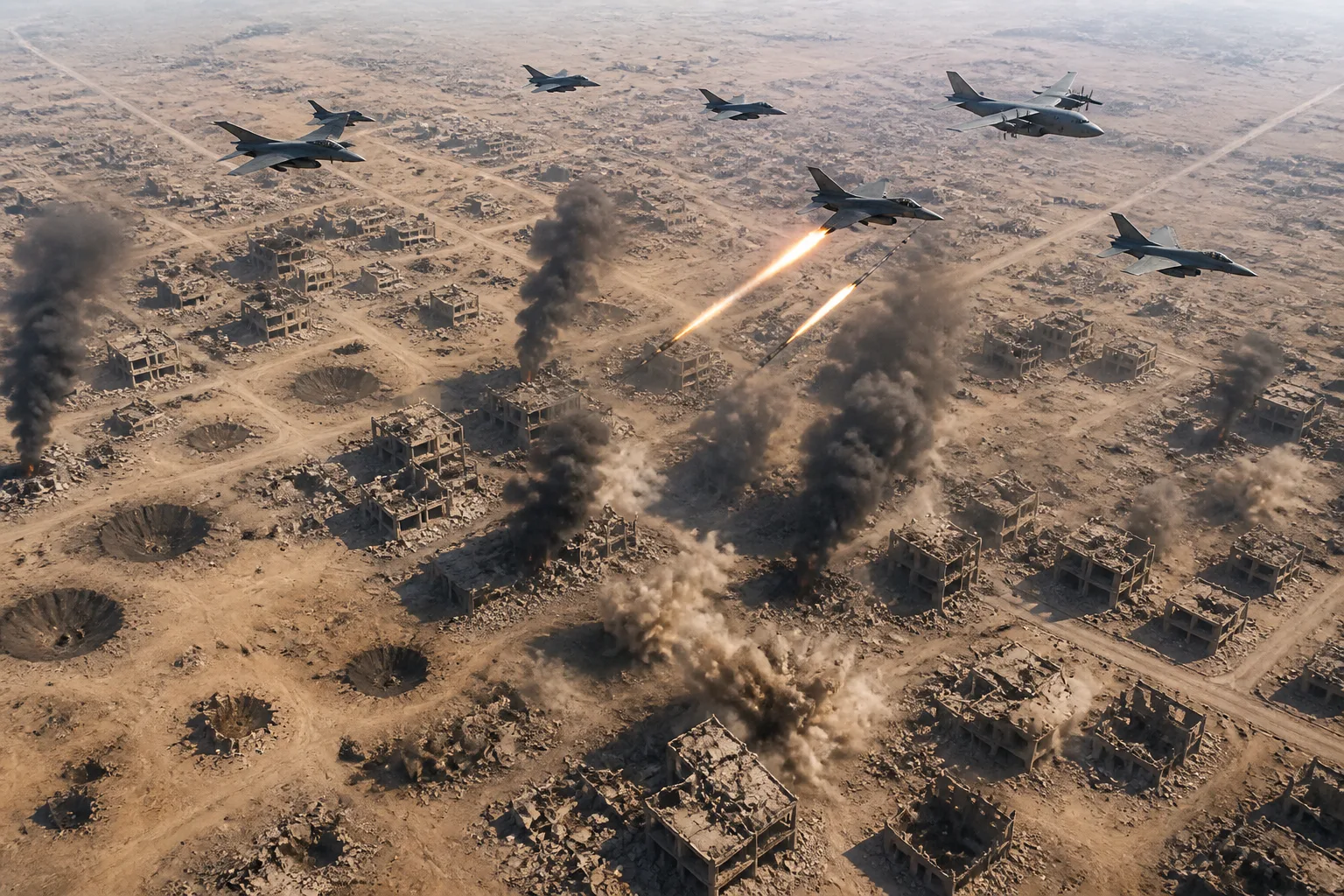
On Saturday, U.S. embassies in 12 capitals across the Middle East posted online warnings urging American citizens to prepare for possible evacuation. The alerts followed a statement by former President Donald Trump on Friday in which he threatened to "hit Iran very hard". The message came amid a war that began on 28 February 2026 when the United States and Israel launched a joint attack on Iranian targets, a conflict that has since involved missile and drone strikes across the region.
The security alerts, posted by the U.S. embassies in Bahrain, Egypt, Iraq, Israel, Jordan, Kuwait, Lebanon, Oman, Qatar, Saudi Arabia and the United Arab Emirates, warned that Americans should consider leaving or be ready to depart if the situation escalates. The messages advised citizens to check flight details, follow local safety instructions and be prepared for flight cancellations, airspace closures and travel disruptions. In Jordan, travelers were told to avoid military bases that had recently been struck by Iranian missiles, while in Israel the embassy urged residents to locate the nearest bomb shelter.
The U.S. embassy in Beirut stated that the mission was on "ordered departure status", meaning that family members and non‑essential U.S. government personnel had been relocated outside Lebanon. The embassy also noted that the Iranian regime had recently attacked areas in the region without warning, including Egypt, and had expanded its attacks to new targets.
Iran’s military leadership responded to the U.S. statements with a warning of its own. Ali Abdollahi, head of Iran’s military central command, said on state television that Washington was "escalating tensions" in the region. He added that any country acting as a defensive shield for the United States would be engulfed by the flames of war. Mohammad Mokhber, an adviser to Iran’s supreme leader, warned against attacks on Iranian infrastructure, arguing that such actions would trigger a response rooted in the country’s historical experience.
In the maritime domain, the conflict has spilled over into shipping lanes that are vital to global energy markets. On Wednesday, a drone struck a U.S.-owned liquefied natural gas vessel, Energos Winter, moored in the Egyptian port of Damietta. The strike caused a fire that spread to a second vessel, GasLog Salem. Egypt’s petroleum ministry confirmed the fire but did not attribute it to a specific attacker. The incident highlighted the vulnerability of commercial shipping in the Mediterranean.
A separate incident occurred off the coast of Oman, where an "unknown projectile" struck a tanker, according to a British maritime agency. The attack took place as U.S. and Iranian forces compete for control of the Strait of Hormuz, a narrow waterway that is the sole maritime link between the Persian Gulf and the open ocean. Since the war began, Iran has maintained control over navigation through the strait, requiring vessels to obtain permission and pay transit fees.
Maritime traffic through the Hormuz Strait has fallen sharply, according to shipping‑tracking firm Kpler. The firm noted that operators are closely monitoring traffic volumes, routing behaviour and any diplomatic developments that could reshape risk across regional shipping lanes.
In the Red Sea, the Iran‑backed Houthi rebels in Yemen denied charging ships for passage through the Bab el‑Mandeb Strait, a key chokepoint that connects the Red Sea to the Indian Ocean and, via the Suez Canal, the Mediterranean. The Houthi denial comes amid increasing importance of the strait as a transit route for Saudi Arabian oil.
On the Lebanon front, Israel’s military reported on Saturday that it had killed three Hezbollah fighters in southern Lebanon and that one Israeli soldier was moderately injured during a close‑quarters encounter with Hezbollah militants. The incident occurs against a backdrop of ongoing tensions between Israel and Hezbollah, which has been designated as a terrorist organization by many countries.
The war has already disrupted lives across the Middle East and rattled global energy markets. While a brief lull in fighting occurred last month, exchanges of fire resumed overnight between Friday and Saturday. The U.S. and Iran have yet to reach a lasting ceasefire, and the situation remains fluid.
The U.S. embassies’ alerts reflect the heightened risk to American citizens in the region and the potential for rapid escalation. Travelers are advised to monitor official embassy communications, keep flight plans flexible and follow local authorities’ instructions.
The conflict continues to shape diplomatic relations, security dynamics and economic activity throughout the Arab world. The international community watches closely as the war evolves and as regional actors navigate the complex web of alliances and rivalries that define the Middle East.