Magnitude-5.6 Earthquake Near Suez Shakes Egypt, Felt Across the Eastern Mediterranean
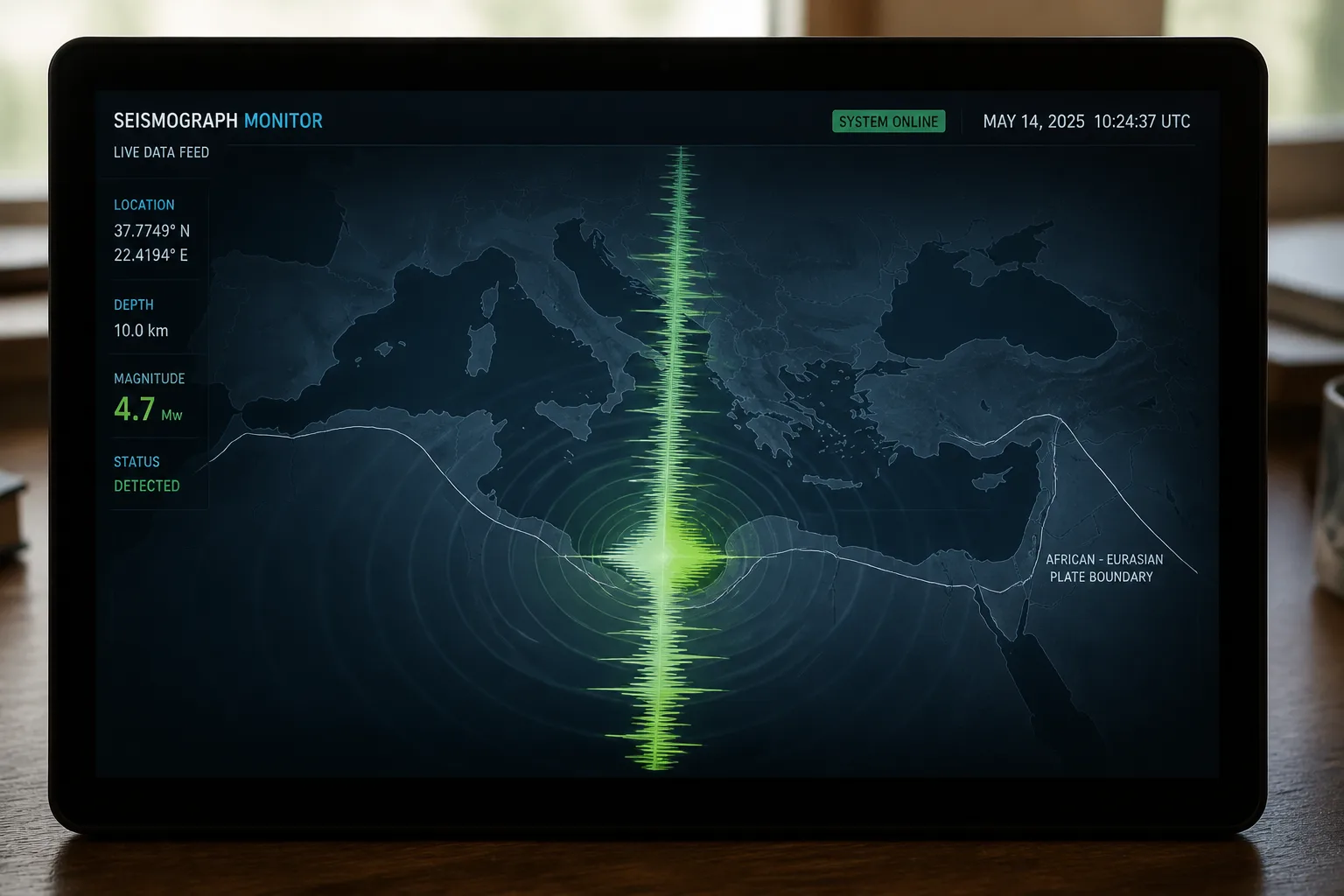
A 5.6‑magnitude earthquake struck 38 km north of the Egyptian city of Suez early Monday (03 August 2026) at 00:00 GMT, according to Egypt’s National Research Institute of Astronomy and Geophysics (NRIAG). The event occurred at a depth of 10 km and was recorded by the German Research Centre for Geosciences (GFZ) as a 5.4‑magnitude quake.
The NRIAG reported that the tremor was felt throughout northern Egypt, with the strongest shaking near the epicentre. The Euro‑Mediterranean Seismological Centre logged more than 3,190 reports from people who felt the quake. Intensity maps show shaking in Cairo, the Nile Delta, Alexandria and Port Said, extending up to 400 km from the epicentre. Residents in the Suez Governorate reported only mild vibrations, and no immediate damage or casualties were reported.
The quake’s seismic waves were also detected beyond Egypt’s borders. Reports from the Gaza Strip, Jordan and Lebanon confirmed that the tremor was felt there, illustrating the reach of seismic activity across the eastern Mediterranean. In Jordan, the Petra news agency noted a separate 3.8‑magnitude earthquake that struck east of Kirkuk governorate in northern Iraq on Sunday, with no casualties or material damage.
In response to the Suez event, the Egyptian Red Crescent activated its emergency response plan in governorates where the quake was felt. Officials urged residents to avoid buildings showing signs of structural damage and to follow official updates while authorities assessed the situation. The Red Crescent also coordinated with local authorities to ensure that emergency services were ready to respond if needed.
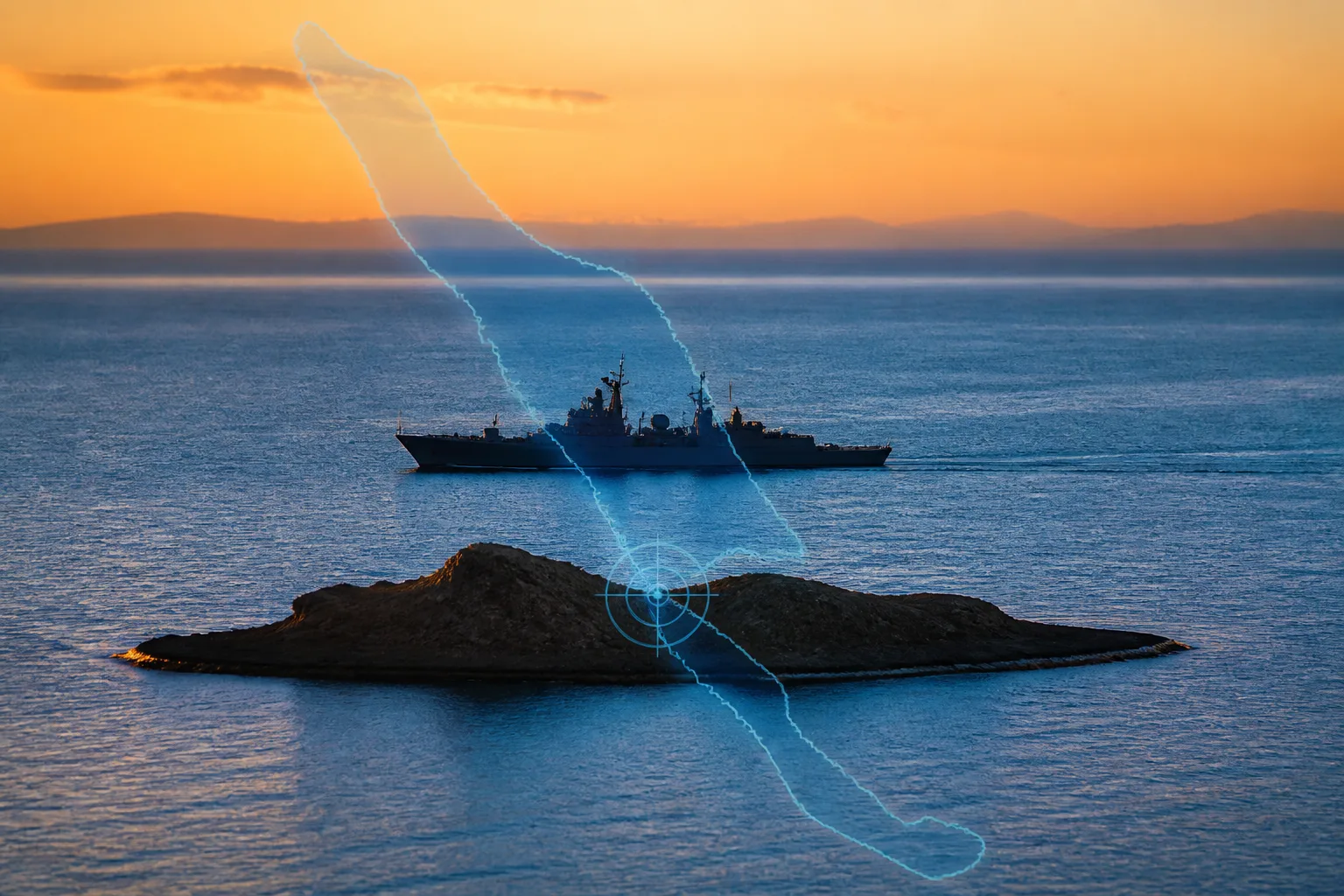
Government officials and local authorities have not reported any significant disruption to the Suez Canal or its operations. The canal, a critical trade route linking the Mediterranean Sea to the Red Sea, has not been affected by the earthquake. The Suez Canal Authority, which manages the waterway, confirmed that all vessels were operating normally and that there were no structural concerns related to the canal’s infrastructure.
The NRIAG’s initial magnitude estimate of 5.2 was revised to 5.6 after further analysis. The GFZ’s measurement of 5.4 is slightly lower but within the margin of error common to independent seismic monitoring. The depth of 10 km places the earthquake in the upper crust, a depth at which shaking can be felt over a wide area.
The event highlights the seismic risk that affects Egypt and the surrounding region. While the country is not located on a major plate boundary, it lies near the complex intersection of the African, Arabian and Eurasian plates, which can generate moderate earthquakes. The Suez region, in particular, has experienced several seismic events in recent decades, prompting ongoing monitoring by national and international agencies.
No damage to infrastructure, buildings or the Suez Canal was reported, and there were no casualties. Authorities continue to monitor the situation, and the Red Crescent remains on standby. The incident serves as a reminder of the importance of preparedness and rapid response in the event of seismic activity.
In summary, the 5.6‑magnitude earthquake near Suez caused no immediate harm but was widely felt across Egypt and neighboring countries. The event was recorded by multiple seismic networks, and emergency services were mobilised in the affected governorates. No damage to the Suez Canal or its operations was reported, and authorities are continuing to monitor the situation.