OPEC+ Boosts Production by 188,000 BPD in September as Strait of Hormuz Constraints Persist
In a quiet virtual gathering, seven OPEC+ members—Saudi Arabia, Russia, Iraq, Kuwait, Kazakhstan, Algeria and Oman—agreed to lift their production targets by 188,000 barrels per day (bpd) starting September 2026. The decision, announced in a joint statement, completes the group’s plan to restore the 1.65 million bpd of voluntary cuts that were first introduced in April 2023.
The new quota follows a series of three production‑cut packages that OPEC+ rolled out between late 2022 and 2023 to support falling oil prices. Those cuts removed almost six million bpd from the market. Beginning in 2025, the participating countries began gradually easing their quotas, and the September adjustment marks the final step of the restoration campaign.
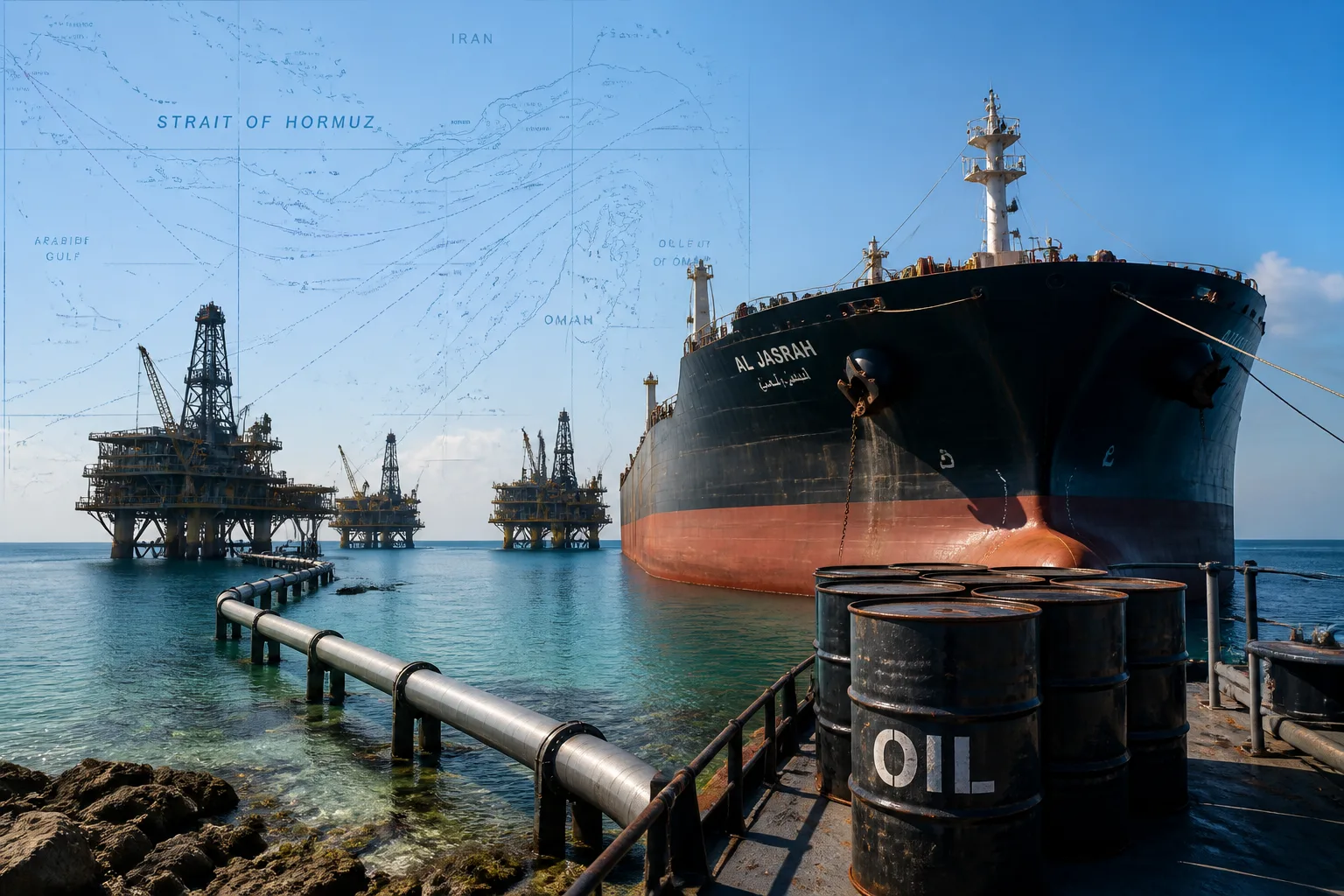
Even with higher quotas, analysts say the immediate effect on global supply will be modest. Shipping through the Strait of Hormuz—through which about 90 % of Persian Gulf oil exports pass—remains constrained by the ongoing Middle East conflict. A memorandum of understanding signed by the United States and Iran in June temporarily eased tensions, but the waterway has not fully reopened. Consequently, it is unclear when the increased production targets will translate into higher export volumes.
"Today’s decision changes little in the near term because the Strait of Hormuz remains constrained," said Jorge Leon, analyst at Rystad Energy. "The real market impact will come when normal export flows resume." Leon added that, with the restoration campaign completed, OPEC+ is likely to pause further supply changes in the fourth quarter of 2026 while it prepares for the 2027 quota negotiations.
Russia’s output remains below its target of 9.8 million bpd, currently about nine million bpd, due to repeated drone attacks on its oil infrastructure in Ukraine. Saudi Arabia, the world’s largest exporter, is expected to increase production within the limits of its quota, while Iraq has indicated a desire to raise output more substantially.
The decision comes after the United Arab Emirates formally left both OPEC and OPEC+ on May 1 2026. The UAE had been a significant participant in the restoration process, and its exit reduces the group’s overall production capacity.
OPEC+ members have faced logistical challenges since the conflict began. The Strait of Hormuz’s narrow width—ranging from 60 miles to 24 miles—makes it a critical choke point for global oil trade. Disruptions can trigger price volatility and supply shortages for Europe and Asia.
Analysts at DNB Carnegie warn that the September increase may complicate negotiations for new production quotas in 2027. With the group’s voluntary cuts fully unwound, any future adjustments will need to balance price support with supply stability.
In summary, the seven OPEC+ members have agreed to raise production by 188,000 bpd from September 2026, completing the group’s planned restoration of earlier cuts. However, shipping constraints through the Strait of Hormuz mean the increase may not immediately affect export volumes. OPEC+ is expected to hold its supply position steady through the end of 2026 while it prepares for the next round of quota negotiations.