Shell Shares Rise Amid Middle East Tensions as Oil Prices Surge
When the world’s most critical oil chokepoint feels uneasy, investors turn to the biggest names in the industry. On 3 August 2026, Royal Dutch Shell plc (SHEL) climbed 1.62 % to close at $91.98, its highest level in several months.
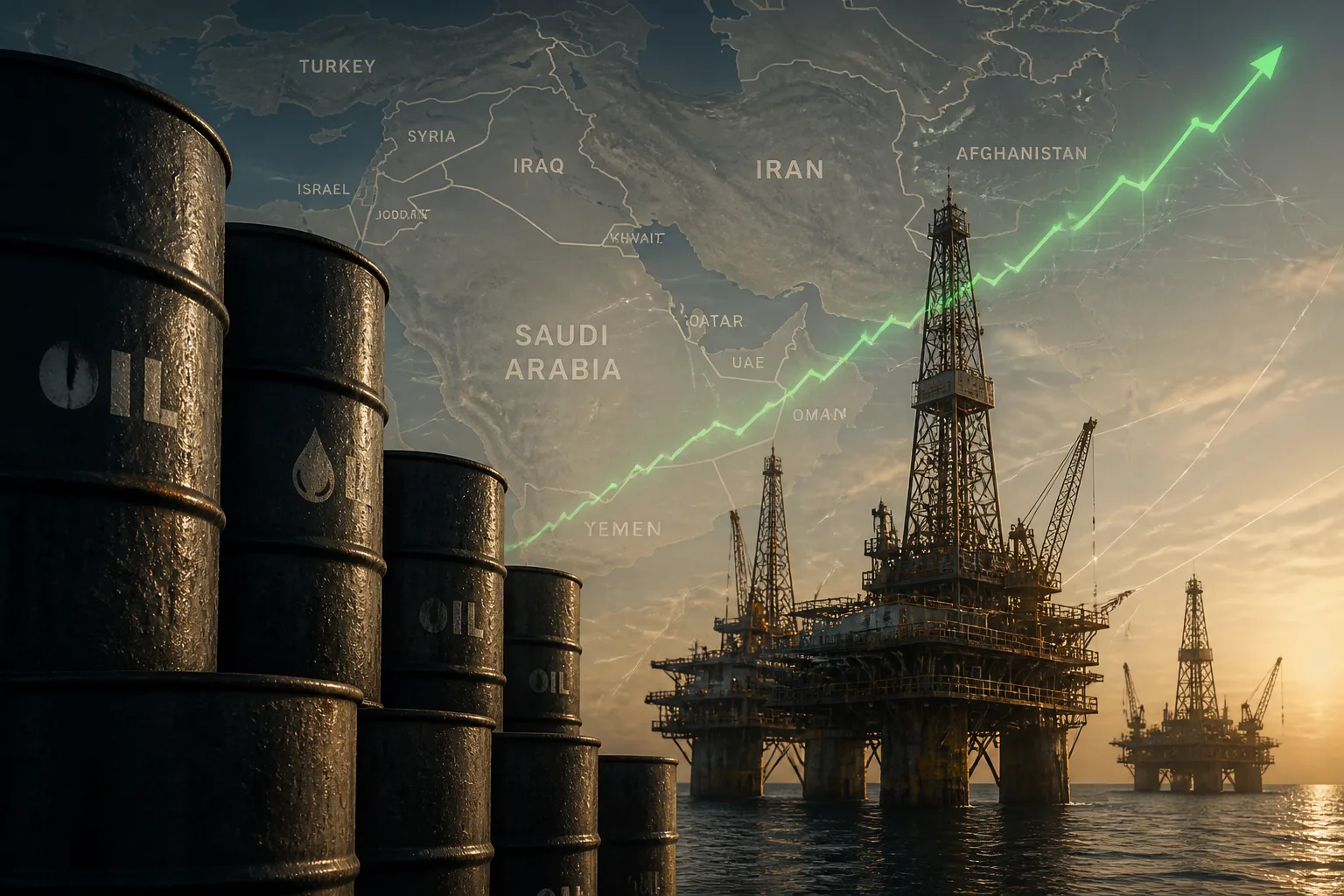
The rally was sparked by a sharp uptick in global oil prices that followed renewed tensions in the Middle East, especially around the Strait of Hormuz. Goldman Sachs now projects Brent crude to average $80 a barrel in the fourth quarter of 2026, with the possibility of spikes to $120 if maritime routes were disrupted.
The Strait of Hormuz remains the world’s most critical oil chokepoint, moving roughly 25 % of seaborne oil and 20 % of LNG shipments. Any interruption—whether by military action, sanctions, or mining threats—tightens supply and lifts prices. Goldman Sachs’ updated outlook reflects a persistent supply‑side squeeze, citing lower OECD inventories and a projected surplus that is expected to shrink in the coming months.
Shell’s financial fundamentals provide a backdrop for the stock’s performance. The company’s market capitalisation is about £252 billion. In 2025 it produced 1.5 million barrels of liquids and 7.3 billion cubic feet of natural gas per day. Its refineries can process 1.4 million barrels per day, and it sells roughly 9 million tonnes of chemicals annually. Renewable energy accounts for less than 5 % of Shell’s revenue, underscoring the company’s continued reliance on fossil fuels.
Dividend‑related metrics are a key driver for investors. Shell’s current dividend yield stands at 3.24 %, supported by a free‑cash‑flow yield of 12.59 %. The payout ratio is manageable, suggesting that the dividend is sustainable in the short term. The company’s P/E ratio is 9.99, below its five‑year median of 12.14, indicating that earnings multiples are relatively attractive.
Valuation analysis from GF Value™ shows Shell trading at $91.98, which is 16.6 % above its intrinsic value of $78.87. The modest over‑valuation reflects the market’s optimism about higher oil prices but also signals caution for long‑term investors.
The GF Score™ assessment gives Shell a 78 out of 100, with strengths in profitability (8/10) and financial strength (7/10). Growth is rated 4/10, reflecting challenges in expanding beyond traditional hydrocarbons. Valuation is 6/10 and momentum 7/10, indicating a solid but not explosive trajectory.
Investor sentiment data shows that 16 institutional “gurus” hold SHEL shares, with 7 adding positions in recent quarters and 9 trimming holdings. No insider buying or selling has been reported in the last three months, suggesting that insiders are adopting a wait‑and‑see stance.
While the dividend is currently considered safe, Shell’s heavy dependence on oil and gas raises questions about long‑term sustainability. The company’s renewable portfolio is still small, and the global energy transition could pressure future earnings and dividend growth.
In summary, Shell’s share price has benefited from geopolitical risk‑driven oil price increases and a favourable dividend profile. The company’s valuation remains modestly over‑valued, and institutional activity is mixed. Investors monitoring the Middle East situation and Shell’s renewable strategy should weigh the short‑term upside against the long‑term risks associated with a fossil‑fuel‑heavy business model.