Trump Cancels Planned Iran Strike, Calls for Diplomacy Over Hormuz Opening
On Saturday, President Donald Trump announced that he had called off a planned large‑scale bombing campaign against Iran. He said the operation would have been the biggest strike since World War II, but he halted it after appeals from Saudi Arabia, the UAE, Qatar and Iran itself. The decision hinges on a deal that would immediately and fully reopen the Strait of Hormuz and eliminate Iran’s nuclear program.
Trump made the statement aboard Air Force One, after weeks of escalating tensions that began on 28 February 2026 when U.S. and Israeli forces launched a joint assault on Iranian sites, including the assassination of Supreme Leader Ali Khamenei. The conflict ended with a ceasefire agreement on 14 June 2026, mediated by Pakistan and Qatar, which extended hostilities for 60 days to allow a final settlement.
Reports indicate that the U.S. had been preparing a massive strike targeting Iranian energy infrastructure and other strategic sites. The operation was slated for a weekend launch, aimed at crippling Iran’s ability to supply oil and gas worldwide. Trump announced the cancellation on the same day he posted on Truth Social, where he listed two conditions for a deal: the immediate reopening of the Hormuz Strait and the elimination of Iran’s nuclear program.
Iran’s military denied any request to cancel the strike. Tehran’s forces remain on high alert, and officials say that talks with Oman focus on the future management of the Strait of Hormuz rather than a military ceasefire. The Iranian government has consistently denied any role in the U.S. decision.
Senator John Kennedy, a Republican from Louisiana, warned on NBC’s "Meet the Press" that the Iranian regime has a history of deception and that easing sanctions or blockade should only follow firm action to open the Strait. Kennedy cautioned against relaxing pressure on Tehran too quickly.
Israel’s role in the planned operation was also highlighted. An Israeli official said that unless the strikes inflicted significant damage on the Iranian regime or its economic base, the attack would have little strategic value. Former IDF spokesperson Jonathan Conricus told CBN News that the regime’s vulnerability was a surprise, describing Iran as a "paper tiger" whose exposed nature would limit the effectiveness of a large‑scale strike.
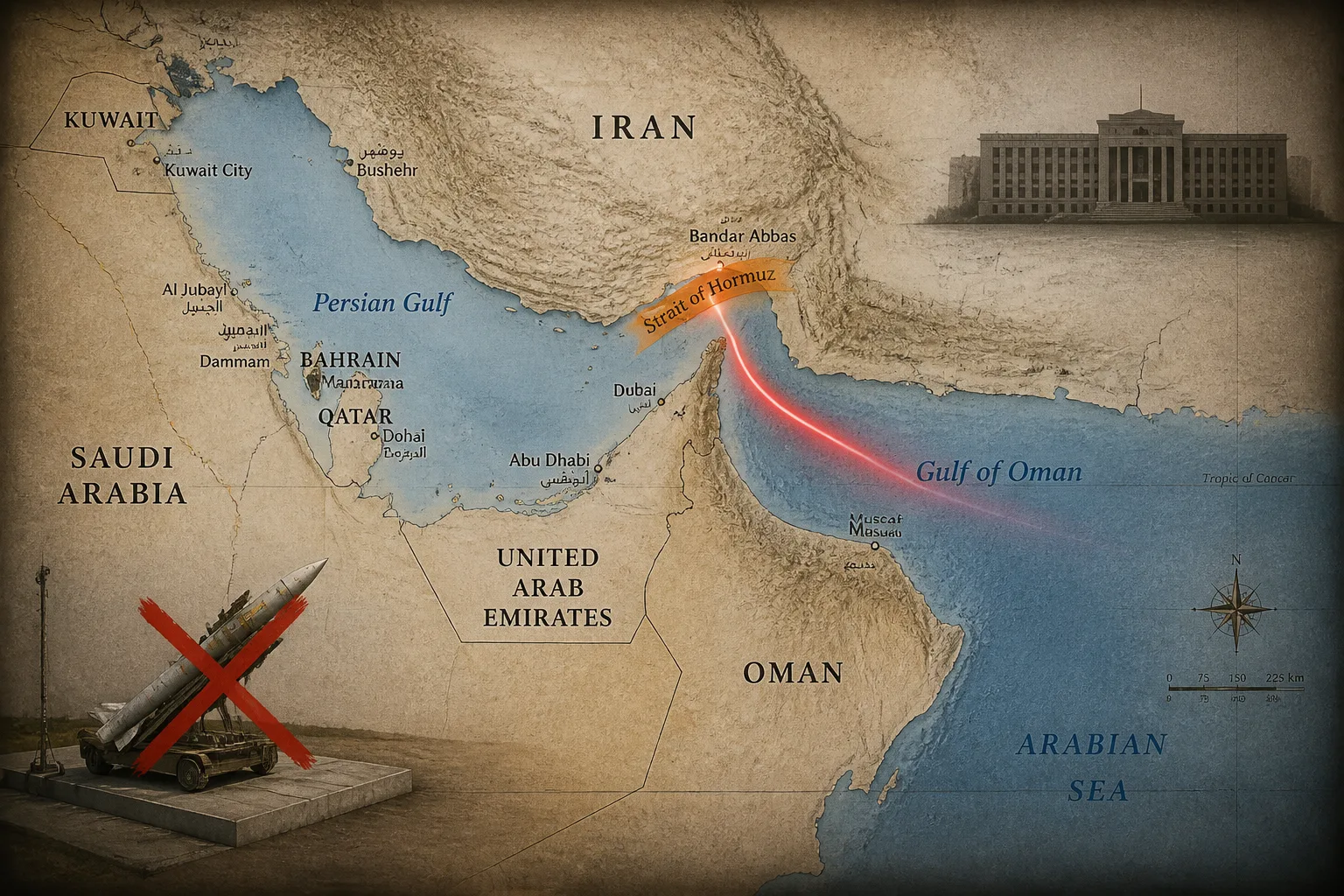
The Strait of Hormuz is the only maritime route from the Persian Gulf to the open ocean, carrying about 25 % of the world’s seaborne oil and 20 % of liquefied natural gas. A closure or restriction would severely affect European and Asian energy supplies, underscoring the strategic importance of reopening the strait.
The U.S. and Iran have a long history of strained relations, rooted in the 1979 Iranian Revolution and the subsequent U.S. embargo. The U.S. withdrew from the 2015 Joint Comprehensive Plan of Action in 2018, re‑imposing sanctions that Iran has repeatedly violated by exceeding enrichment limits. The 2026 war was partly a response to Iran’s continued nuclear activities and missile launches.
Trump said negotiations would begin on Monday following the cancellation. The U.S. administration has not yet released a detailed roadmap, but officials indicate that the primary focus will be on reopening the Hormuz Strait and securing a comprehensive agreement to halt Iran’s nuclear program.
The decision to cancel the strike has elicited mixed reactions. Some analysts argue that the U.S. missed an opportunity to inflict decisive damage on Iran’s infrastructure, while others believe that a diplomatic approach could prevent a broader regional conflict. The outcome of the upcoming talks will shape the trajectory of U.S. foreign policy in the Middle East for the coming months.
As the region watches the negotiations unfold, the international community remains vigilant. The reopening of the Strait of Hormuz will be a key indicator of whether the U.S. and Iran can move beyond the current ceasefire and establish a lasting framework for stability in the Gulf.