Ireland Removes Israeli-Made Landing System From New Government Jet Amid Boycott Policy
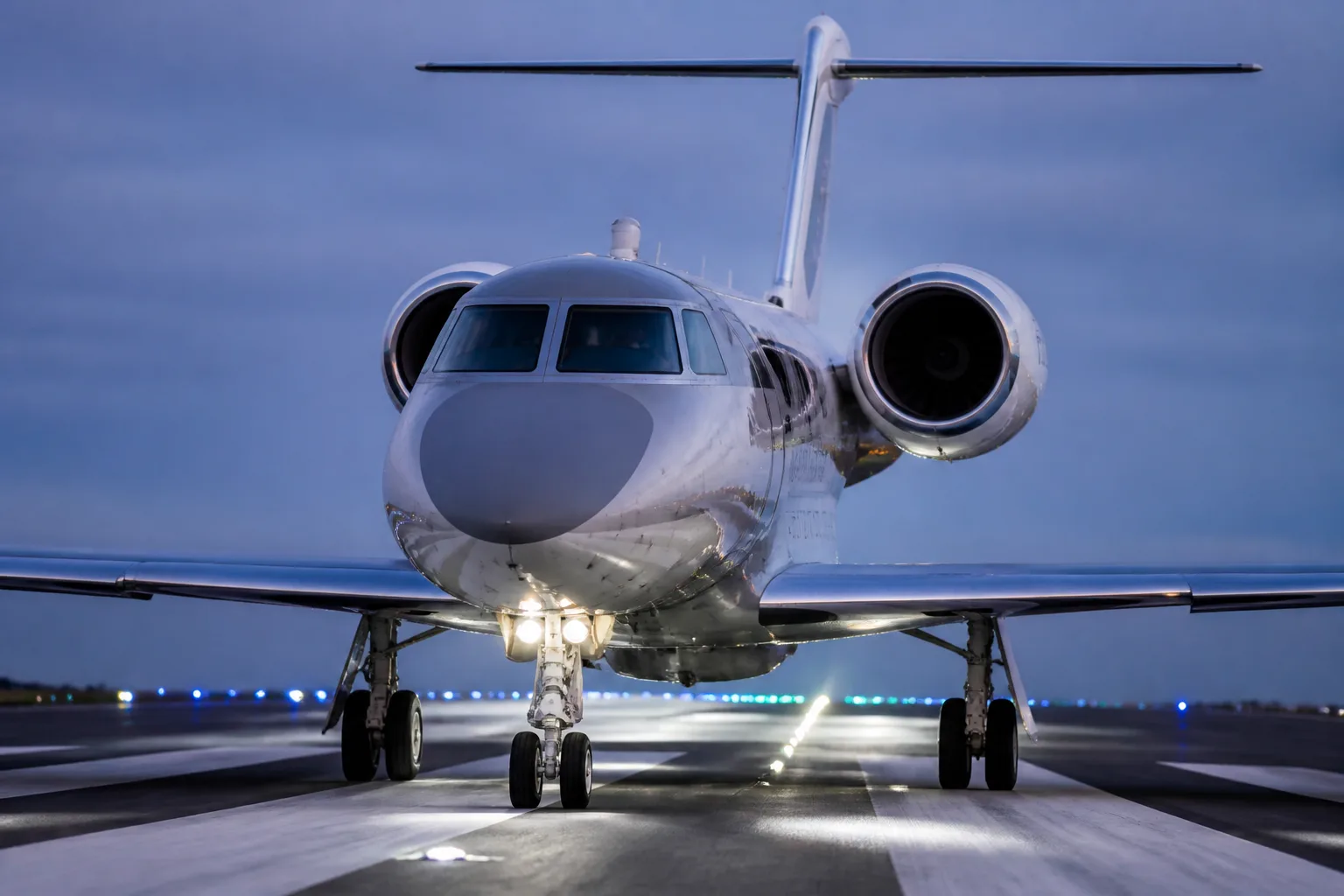
Ireland’s newest state aircraft will take to the skies without a key Israeli‑made vision aid, a decision that follows a policy banning future defence contracts with Israeli firms. The move means the country’s flagship Dassault Falcon 6X, delivered for €53 million, will operate without the FalconEye enhanced‑vision system that Elbit Systems and Dassault Aviation jointly developed.
The Falcon 6X has long been the workhorse for transporting the Taoiseach, ministers and other officials on state business. Its high‑end avionics, cabin comfort and long‑range capability make it the preferred choice for Ireland’s government. Yet the absence of FalconEye—a combined infrared camera and sensor suite that feeds real‑time, high‑definition imagery to pilots—removes an optional but valuable low‑visibility aid.
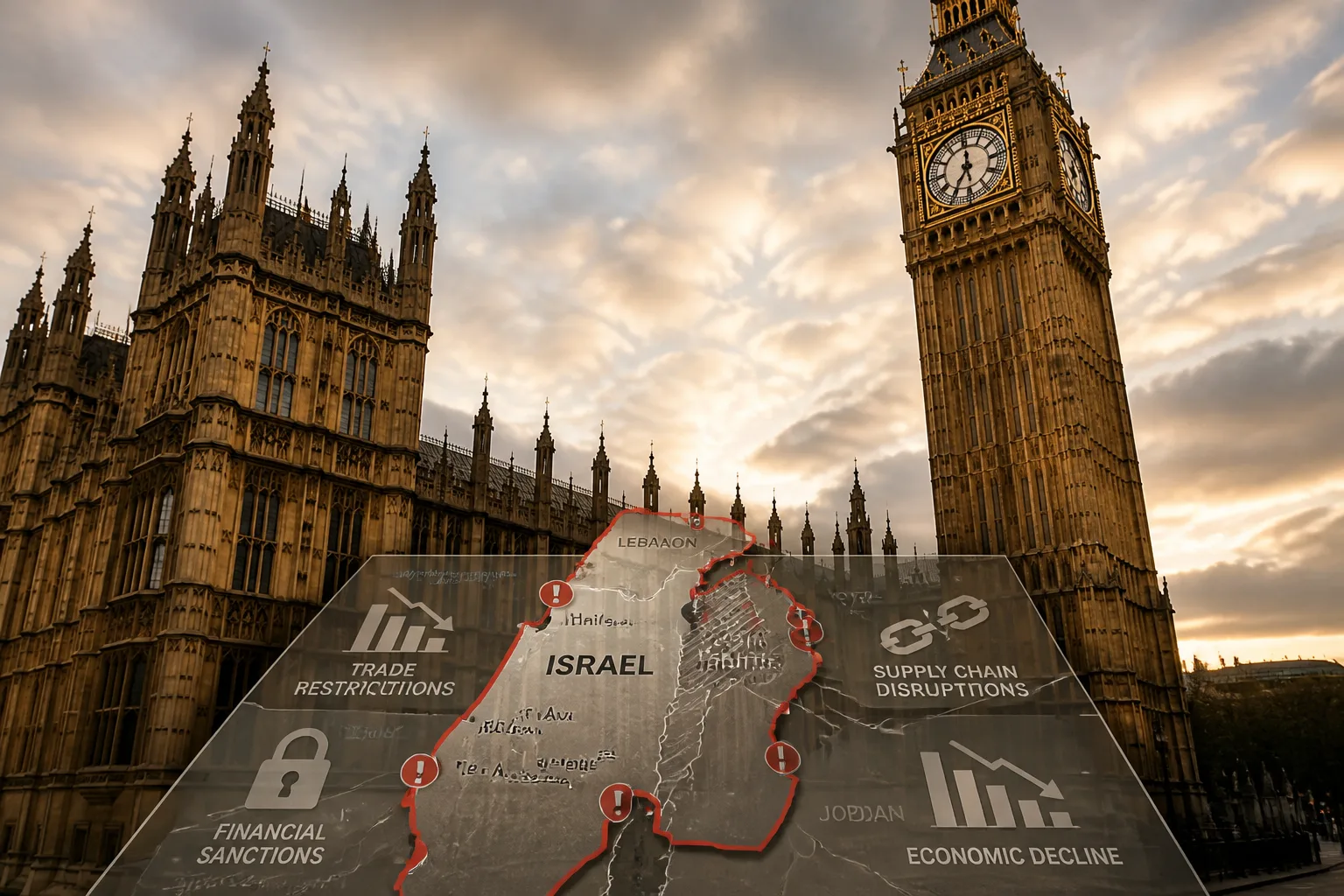
The decision to strip the jet of FalconEye was announced on 29 August 2024 by Minister Micheál Martin, who described the new policy as a response to Israel’s actions in Gaza and a step toward aligning Irish procurement with European sanctions. The policy, one of Europe’s most aggressive anti‑Israel boycott measures in the defence sector, effectively bars future contracts with Israeli defence companies.
Aviation experts warned that losing FalconEye could limit pilots’ options when operating in dense fog, a common occurrence at Cork Airport, the jet’s main base. In such conditions crews might have to divert to alternate airports. The Department of Defence, however, maintained that the aircraft has “no current limits” on its operational capability and that safety would not be compromised.
The policy’s ripple effects reach beyond the Falcon 6X. Other Irish acquisitions still contain Israeli technology, notably Airbus helicopters and maritime patrol aircraft that incorporate Elbit‑linked avionics and radar systems. Media reports noted that removing these components would compromise the platforms’ functionality, underscoring the complexity of disentangling Israeli tech from essential avionics.
FalconEye’s modular design means it could be added to future aircraft, but the system’s infrared camera is mounted on the nose and feeds high‑definition imagery to the pilot in real time. Used in both military and civilian aircraft worldwide, the technology improves safety during low‑visibility approaches.
Cork Airport experiences up to 99 days of fog each year, making the lack of an enhanced vision system a practical concern for flights originating or terminating there. While the jet remains fully operational, aviation sources noted that pilots’ ability to land safely in severe weather is diminished.
The move signals a broader shift in Ireland’s defence procurement. According to reports, the country has awarded more than €20 million in contracts to Israeli firms over the past two decades, including drones and other equipment. The new policy marks a significant change in that relationship.
The Department of Defence reiterated that the removal of FalconEye does not affect the aircraft’s safety or operational readiness. It also stated that the decision aligns with the government’s policy on defence procurement and that no other critical systems were impacted.
Industry observers have taken note, warning that the policy could influence future procurement decisions across Europe. While excluding optional systems like FalconEye is straightforward, integrating or removing Israeli technology in essential avionics presents a more complex challenge.
Ireland’s stance reflects a growing trend among European states to reassess their defence supply chains in light of geopolitical developments. The policy’s implementation will likely be monitored closely by other governments considering similar measures.
In summary, the Irish government’s boycott of Israeli defence firms has resulted in the removal of the FalconEye landing aid from its new state jet. While the aircraft remains operational, the absence of the system may limit pilots’ options during low‑visibility approaches, particularly at fog‑prone Cork Airport. The policy also underscores the complexities of integrating or excluding foreign technology in modern military and government aircraft.