Kuwait Seeks New Oil Pipeline to Bypass Strait of Hormuz Amid Iran-Led Blockade
When Iran sealed the Strait of Hormuz in February 2026, Kuwait’s sole maritime lifeline was cut off. In response, Oil Minister Tariq Sulaiman Al‑Roumi announced that Kuwait is negotiating with Saudi Arabia, the UAE and other Arab states to build a new crude‑oil export pipeline that would bypass the strait entirely.
Al‑Roumi said the project would be developed through consultations with regional partners and described it as a major undertaking that could reshape the country’s export strategy, ensuring continuity even amid geopolitical shocks that threaten the Gulf’s vital shipping corridor.
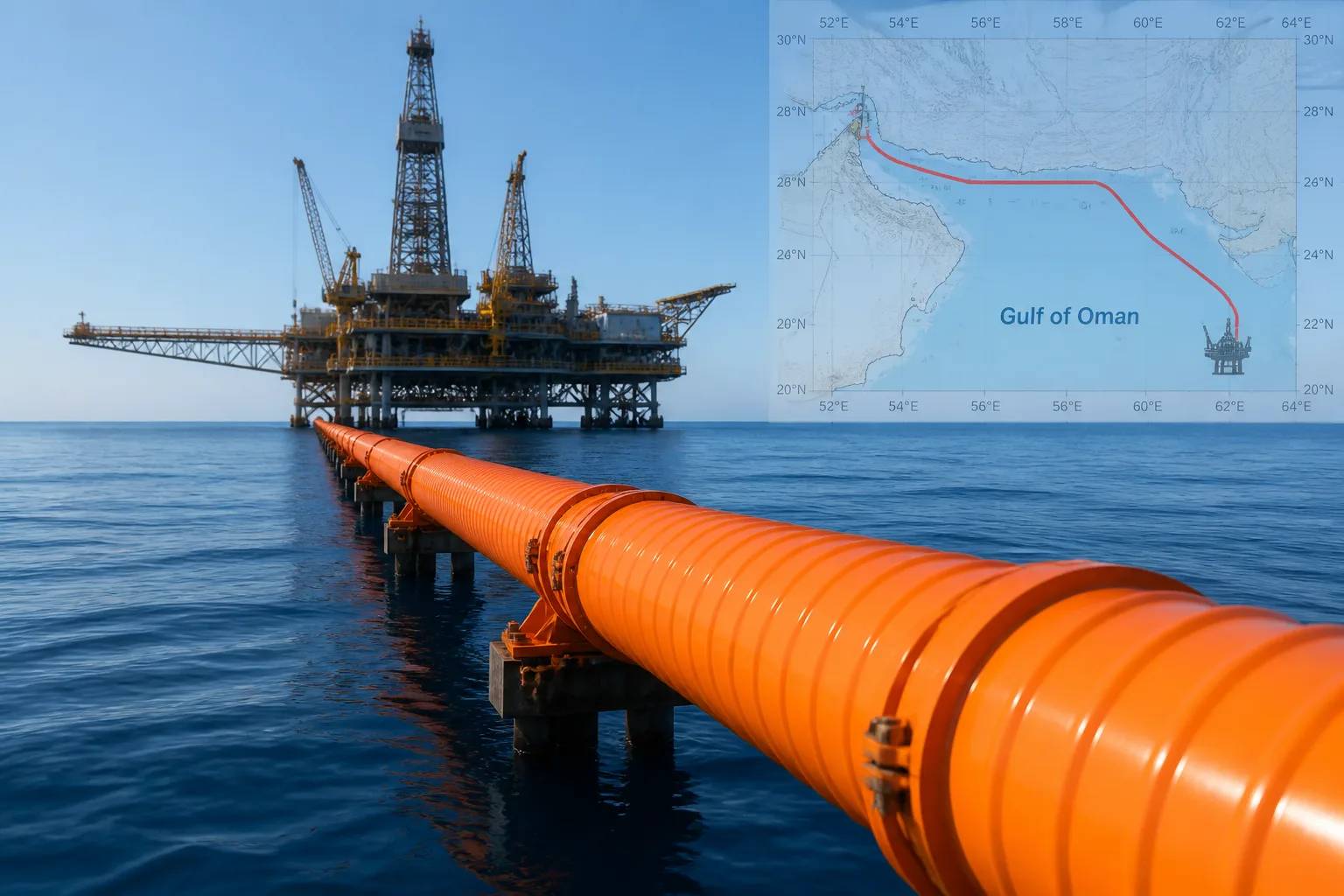
Two potential routes were outlined: one would run from Kuwait through Saudi Arabia to either the Red Sea or Oman, while the other would connect directly to the UAE’s Fujairah port, allowing crude to reach international markets without transiting the Hormuz Strait.
The talks follow Iran’s effective closure of the Strait in February 2026, which halted all Kuwaiti crude exports. Al‑Roumi warned, ‘as long as the strait remains blocked, oil exports are zero,’ underscoring Kuwait’s historical reliance on the passage for transporting its crude and refined products.
A new pipeline would provide an alternative route to global markets and strengthen Kuwait’s ability to maintain exports during future disruptions. Al‑Roumi also noted that rebuilding some oil storage tanks damaged during missile and drone attacks would take at least a year, adding urgency to the project.
The crisis has highlighted the vulnerability of Gulf exporters to disruptions in the Hormuz corridor. Shipping‑monitoring data show Kuwait recorded zero crude oil exports for the entire month of April 2026, the first time since the Gulf War in 1991 that the country had no exports.
Kuwait has long been a major supplier of crude to Japan, a strategic customer that Al‑Roumi highlighted. Discussions are also underway to increase Kuwait’s strategic oil reserves in friendly countries, providing additional protection against interruptions to regional export routes.
Al‑Roumi condemned Iranian missile and drone attacks on Kuwait and other Gulf states, stressing that Kuwait had not carried out attacks against Iran. He said Kuwait’s vital facilities, including the oil sector, are protected by air defences and that the country plans to further strengthen those capabilities following the regional crisis.
The proposed pipeline would link Kuwait to existing infrastructure in Saudi Arabia and the UAE. Saudi Arabia already operates an east‑west pipeline that transports crude from its eastern fields to the Gulf of Oman, while the UAE’s Habshan‑Fujairah pipeline carries up to 1.8 million barrels of oil per day directly to Fujairah.
If the project proceeds, it would reduce Kuwait’s reliance on the Hormuz Strait and diversify its export options. The initiative also aligns with broader regional efforts to secure alternative routes for oil transport amid heightened tensions in the Persian Gulf.
The Ministry of Oil has not yet released a timetable for the pipeline’s construction. Al‑Roumi said the government is ‘currently looking for the best and most cost‑effective option.’ Project feasibility will depend on technical, financial and security assessments carried out in cooperation with Saudi Arabia, the UAE and other partners.
The pipeline’s development will also involve discussions on storage, refining and transportation logistics. Kuwait Petroleum Corporation, which manages the country’s exploration, production, refining, marketing and transportation activities, will play a central role in the process.
In the meantime, Kuwait continues to monitor the situation in the Strait of Hormuz and works to protect its oil infrastructure. Strategic oil reserves and air defence upgrades are part of a broader effort to mitigate the impact of future disruptions to the Hormuz corridor.
The outcome of the pipeline negotiations will be closely watched by Gulf states and global market participants, as it could reshape the region’s oil export dynamics and reduce the strategic importance of the Strait of Hormuz.