Mass Migration into Ceuta Sparks Crisis and Conspiracy Claims Amid Spain-Morocco Tensions
A tidal wave of refugees crashed onto Ceuta’s shores on 31 July 2026, turning the Spanish enclave into a flashpoint for politics, conspiracy, and human tragedy. More than 50,000 people crossed from Morocco into Ceuta in a single day, and the surge, which claimed at least 67 lives, forced Spanish authorities to reverse the influx and deport the vast majority of migrants back to Morocco.
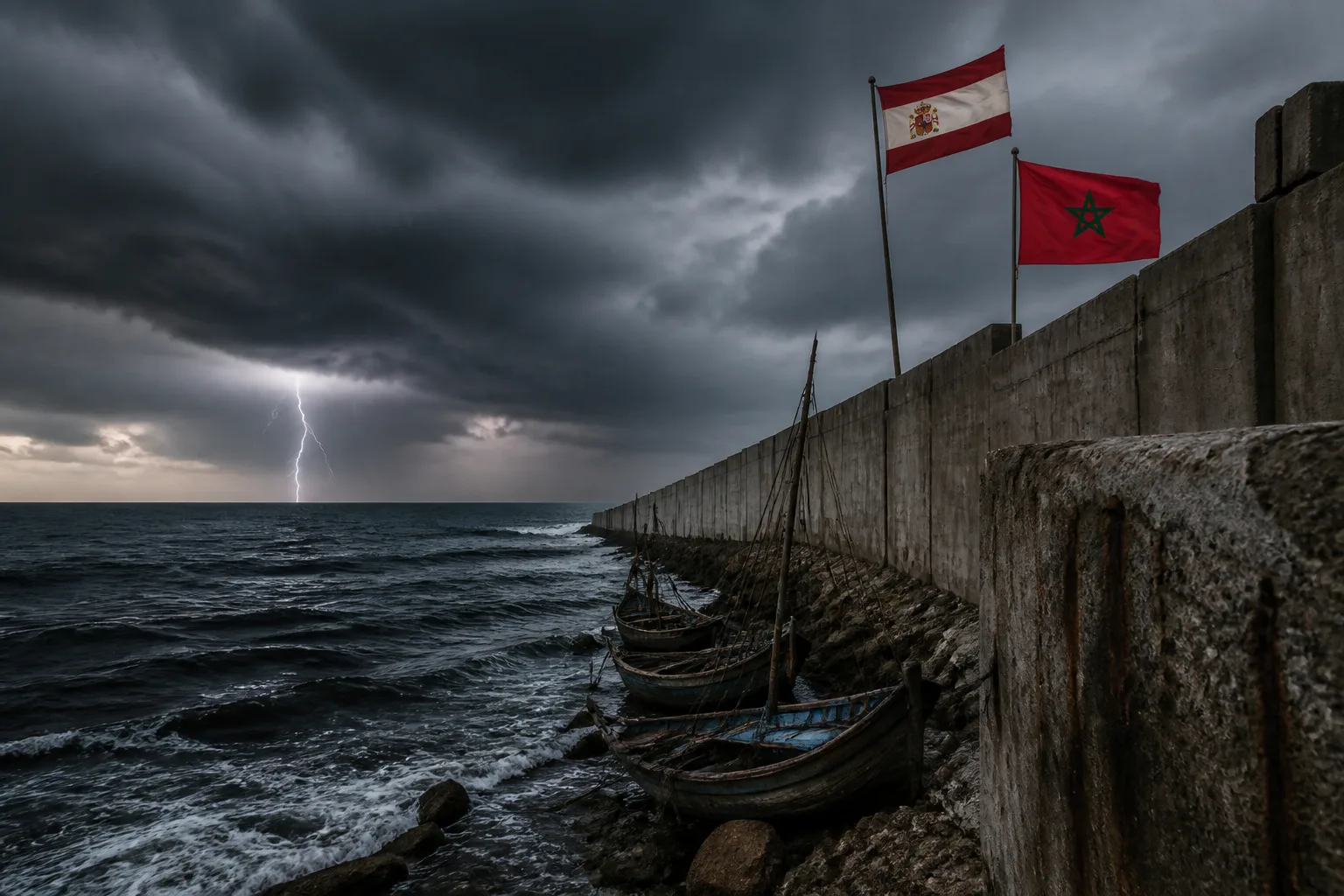
The immediate impact was stark: police cordoned the breakwater barrier, and a chaotic stampede and several drownings added to the toll. In the days that followed, the Spanish Ministry of the Interior confirmed that most of the 50,000 entrants were sent home, while Transport Minister Óscar Puente dismissed accusations that foreign actors had orchestrated the crossings, saying the picture was “becoming clearer” but refusing to confirm any external involvement.
Experts point to a mix of factors that spurred the mass movement. Economic hardship in Morocco, widespread misinformation about the possibility of staying in Spain, and the machinations of human‑trafficking networks all played a role. A recent Spanish Supreme Court ruling—interpreted by some as loosening border controls—may have amplified confusion. Moroccan police, for the first time in years, reportedly allowed large groups to approach the border fence with relative ease, a departure from the usual strict patrols.
The crisis quickly ignited a firestorm of political debate. Spain’s left‑wing government, led by Prime Minister Pedro Sánchez, had just imposed an arms embargo on Israel over the Gaza conflict. In response, Israel’s ambassador to the United Nations, Danny Danon, posted on X that Spain’s “colonial enclaves” were a “problem” for the international community. The remark was amplified by pro‑Palestinian figures such as Hasan Piker and actor Javier Bardem, as well as right‑wing commentators Ana Kasparian and Dan Bilzerian. Social media users seized on the exchange, spreading conspiracy theories that Israel had engineered the migration surge to punish Madrid. The most cited claim referenced a 2019 tweet by Yair Netanyahu—son of Israeli Prime Minister Benjamin Netanyahu—urging “Arabs and Muslims” to “free occupied lands” and highlighting Spanish colonial territories in Africa.
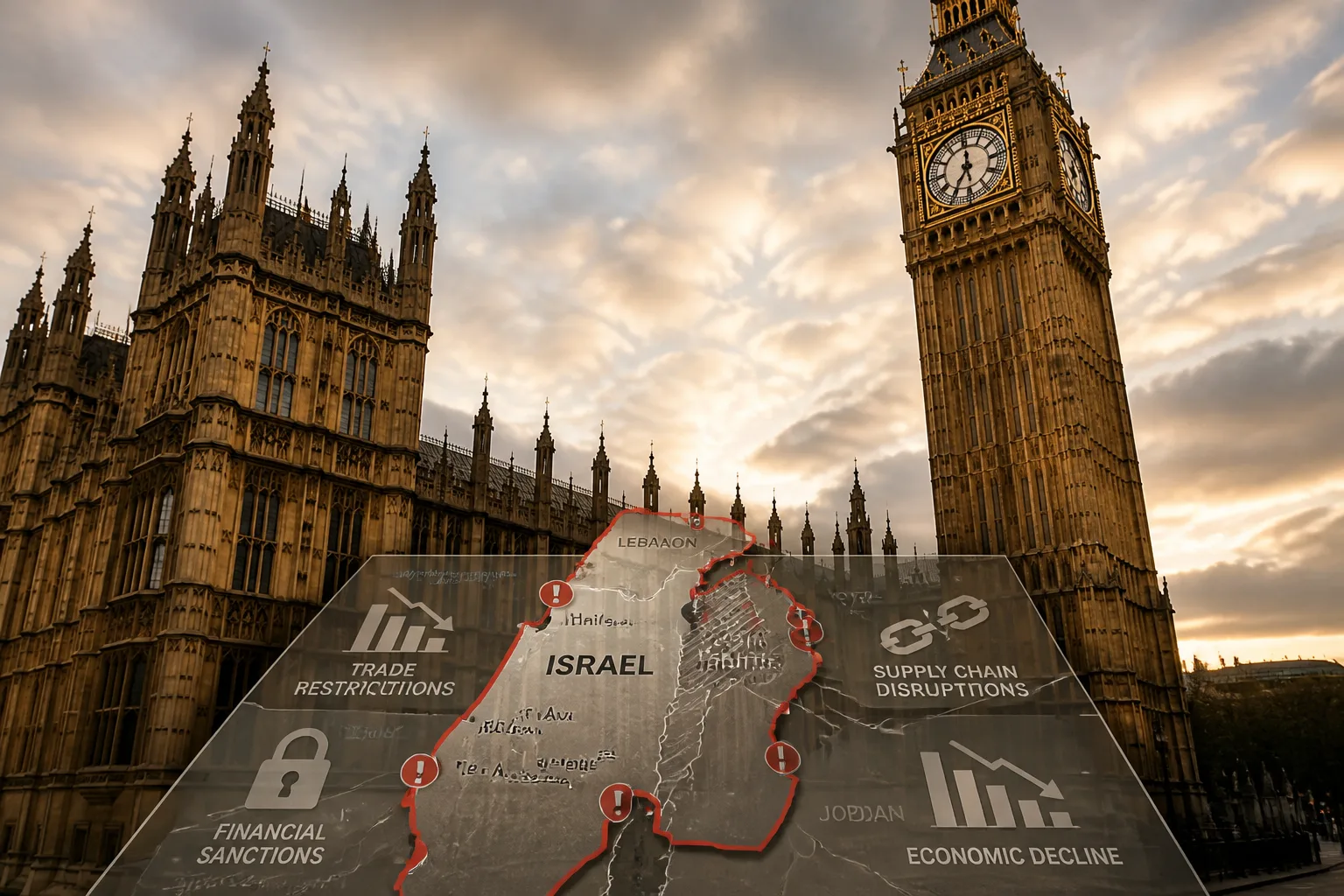
No evidence supports the allegation that Israel orchestrated the crossings. Israeli officials have not taken responsibility, and a Times article that circulated online misinterpreted a Spanish Supreme Court ruling and focused on the economic vulnerability of Moroccan youth, without linking Moroccan police actions to any external actors. The incident has already strained Spain‑Israel relations: Spain’s arms embargo and its expulsion of Israel from the Civil‑Military Coordination Center—a body coordinating relief efforts in Gaza—have heightened tensions. In contrast, Morocco and Israel maintain a formal alliance, having normalized relations in 2020 under the Abraham Accords and with Morocco’s 2023 recognition of Israeli sovereignty over Western Sahara.
European leaders convened an emergency meeting in the wake of the crisis. Italy temporarily suspended Schengen border controls with Spain, underscoring the seriousness of the situation. Spain’s government blamed human‑trafficking networks for misleading migrants about the ease of staying in Spain and for exploiting the confusion over border policy. The Ceuta incident now stands as a stark reminder of the complex interplay between migration, regional diplomacy, and the rapid spread of unfounded conspiracy theories in the digital age.
As the situation stabilizes, the Spanish government has pledged to strengthen border controls and to cooperate with Moroccan authorities to prevent future mass crossings. The incident remains a sobering illustration of the human cost of migration crises and the fragility of Europe’s Schengen system.