Saudi Aramco CEO Warns of Long-Term Oil Supply Shock as Strait of Hormuz Remains Closed
When the world’s largest oil exporter sounded the alarm, it sounded like a warning bell for global markets.
In a statement released during the European trading session on Tuesday, Saudi Aramco CEO Amin H. Nasser declared that the ongoing Middle‑East crisis had produced the biggest supply shock ever recorded. He warned that, if the Strait of Hormuz were open today, it would take 18 months of shipping at an average of 2.1 million barrels a day to replenish the inventories that have been depleted.
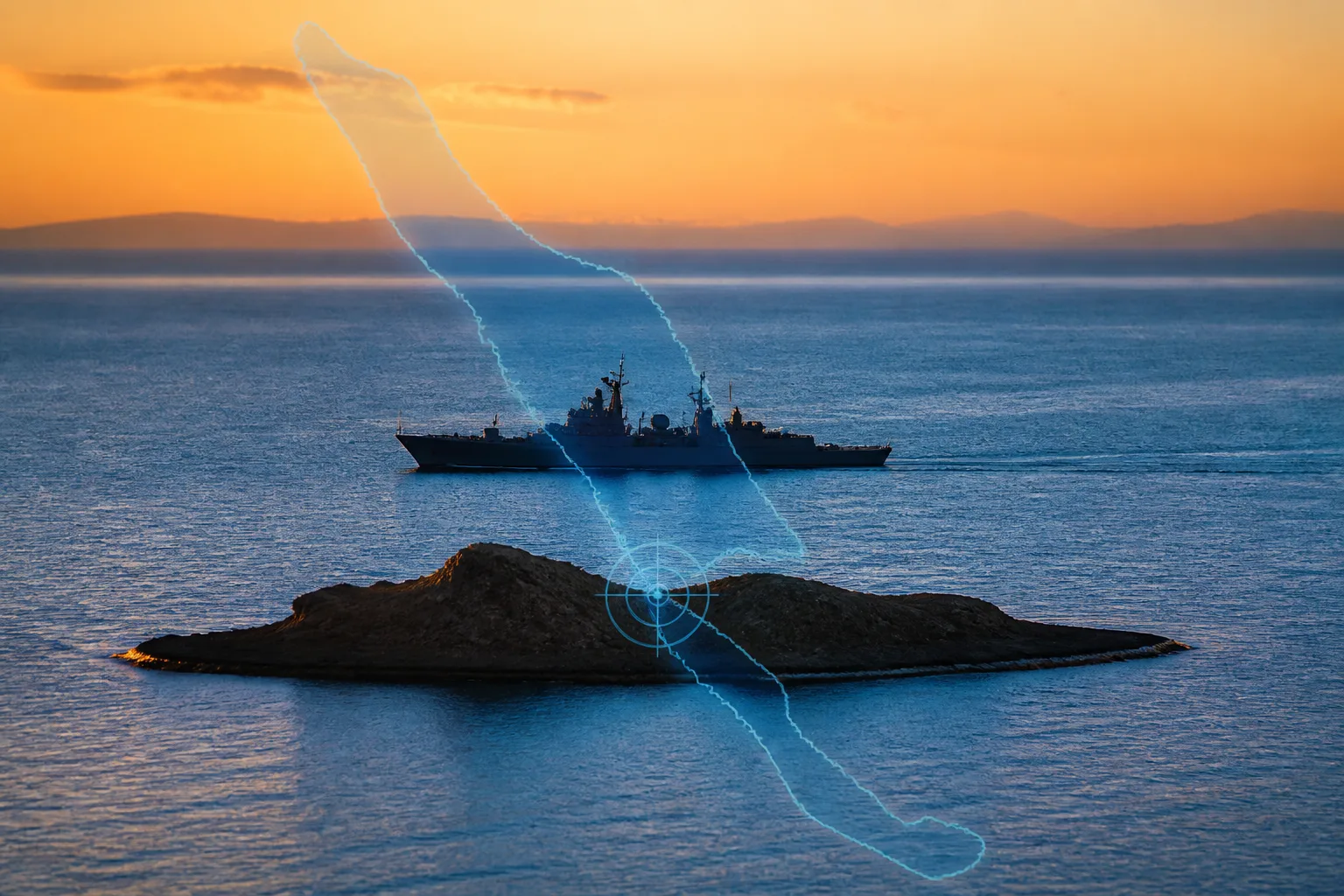
The crisis began with Iran’s attack on Saudi oil infrastructure on 28 February 2026 and has forced the closure of the Strait of Hormuz – the sole maritime gateway between the Persian Gulf and the open ocean. The strait accounts for roughly 20 % of global seaborne oil trade, and reports show that current traffic is now only a tenth of pre‑conflict levels. With the passage shut, the world continues to lose more than 100 million barrels each week.
The shutdown has already taken a toll on global inventories. The conflict has prompted an average daily draw of 11 million barrels of liquid fuels from the market, erasing over 2.6 billion barrels that would have reached critical industries. Aramco’s east‑west pipeline and its global storage network have mitigated the impact, reducing the net loss to about 1.8 billion barrels.
Asia has borne the brunt of the disruption. At the crisis’s peak, the region’s crude oil imports fell by around 6 million barrels a day. The tightening of refined‑product markets has widened the gap between futures and physical markets, reflected in strong refining margins. Global refining capacity is already stretched, and any major unplanned shutdown could further amplify supply pressure.
Despite the disruptions, Aramco has not reported material damage to its production capabilities. The company said it would continue to use all available export routes – the Bab el Mandab Strait, the Suez Canal, its summed pipeline network, and the Hormuz passage – to maintain supply to customers.
The market has responded to the CEO’s remarks. At press time, West Texas Intermediate (WTI) crude was trading about 1 % higher, around $79.50 a barrel. WTI is a light, sweet benchmark used worldwide, and its price is influenced by supply disruptions, inventory levels, and currency movements.
Aramco’s leadership remains hopeful that a diplomatic resolution will restore normal shipping and stabilize the market, but officials acknowledge that normalization will take time. The company’s strategic focus is on maintaining supply through alternative routes and on managing inventory levels until the strait reopens.
The situation underscores the vulnerability of global energy supply to geopolitical events. The ongoing crisis has highlighted the importance of diversified shipping routes and robust storage capacity for oil producers and consumers alike. Until the Strait of Hormuz reopens, the world will continue to face significant supply constraints and price volatility.
In the coming weeks, market participants will monitor Aramco’s inventory reports, the status of the strait, and any diplomatic developments that could signal a return to normal shipping conditions. The company’s ability to keep production steady and to use its pipeline network will be critical in mitigating the long‑term impact of the crisis.