Israel Evacuates Lebanese Village as Strikes Resume; US-Iran Talks Near Strait of Hormuz Deal Amid Yemen Attacks and Sanctions Relief
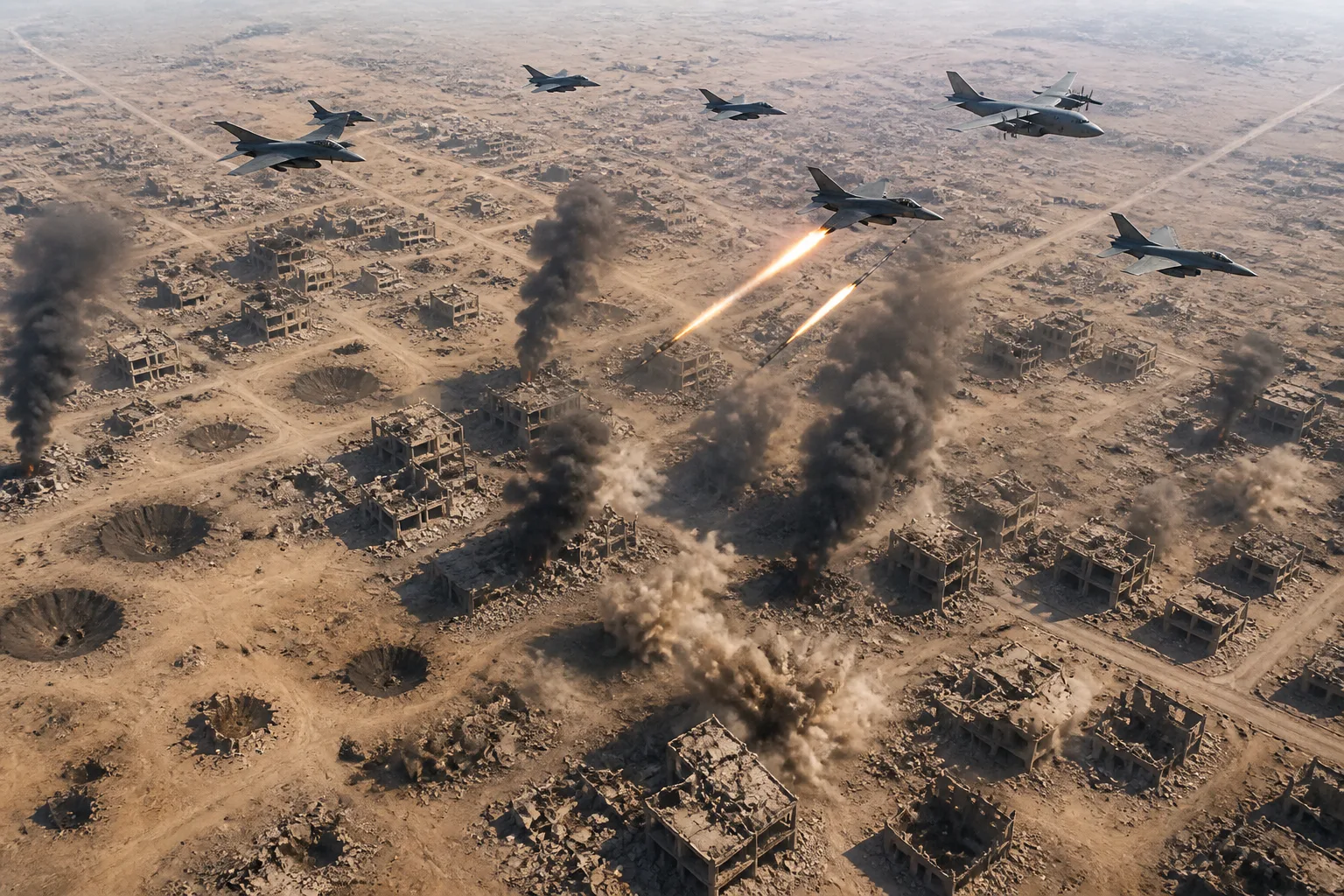
On August 5, 2026, Israel’s military warned residents of Mansouri, a small village in southern Lebanon, to evacuate after Hezbollah allegedly breached the 2024 ceasefire. The warning came just before a string of targeted air strikes, and the Lebanese Health Ministry later confirmed one fatality and 12 injuries in the nearby town of Tebnine.
The flare‑up coincided with the second day of talks in Rome between Israeli and Lebanese negotiators, who are working to formalise a withdrawal of Israeli troops from occupied areas in return for Hezbollah’s disarmament. A State Department source, speaking anonymously, said the sudden violence forced the meeting to pause, but the parties expect to reconvene on Thursday.
Since the Iran‑led conflict erupted in March 2026, Hezbollah’s military wing has launched rockets and drones at Israeli targets, prompting Israel to retaliate with air strikes that it says violate the 2024 ceasefire. The recent attacks fit a long‑running pattern of sporadic violence that has already cost thousands of lives and forced more than a million Lebanese civilians to flee their homes.
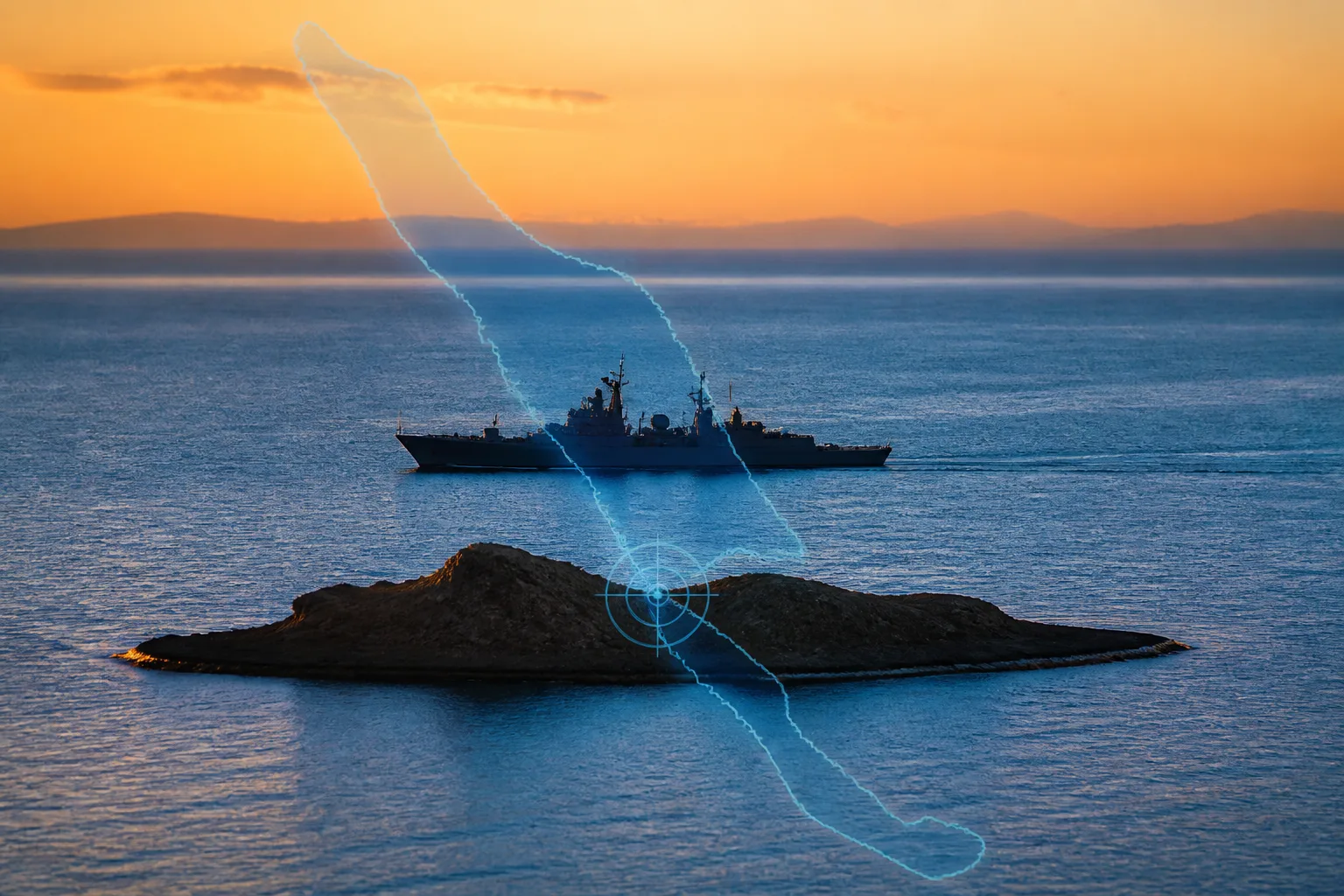
That same week, Iran revealed it is in the “final stage” of negotiating a deal with Oman concerning the Strait of Hormuz—a vital artery for global oil and gas traffic that has been a flashpoint since the war began. President Donald Trump announced on Tuesday night that a final agreement could be unveiled that week, potentially reopening the strait and relieving global economic pressure.
The proposed accord would establish a navigational corridor through the strait, but it will probably hinge on the United States lifting its blockade of Iranian ports. The Trump administration has made clear that it will reject any arrangement that would cement Iranian dominance of the channel—a move that could alter the region’s power balance.
At the same time, Yemen’s Iran‑backed Houthi rebels alleged that they launched ballistic missiles at two Saudi oil tankers—one in the Red Sea and another in the Gulf of Aden. The Houthis offered no evidence, and Saudi Arabia has yet to issue an official reply. A ship in the Gulf of Aden reported a loud explosion nearby, but its crew remained unharmed, according to the British military’s United Kingdom Maritime Trade Operations centre.
These missile claims follow the Houthis’ July blockade of Saudi shipping, a move that jeopardised the vital maritime corridor linking the Red Sea to the Gulf of Aden via the Bab al‑Mandeb strait. In response, Saudi Arabia has redirected millions of barrels of oil exports to the Red Sea to lessen the risk of a full‑scale shutdown of the Strait of Hormuz.
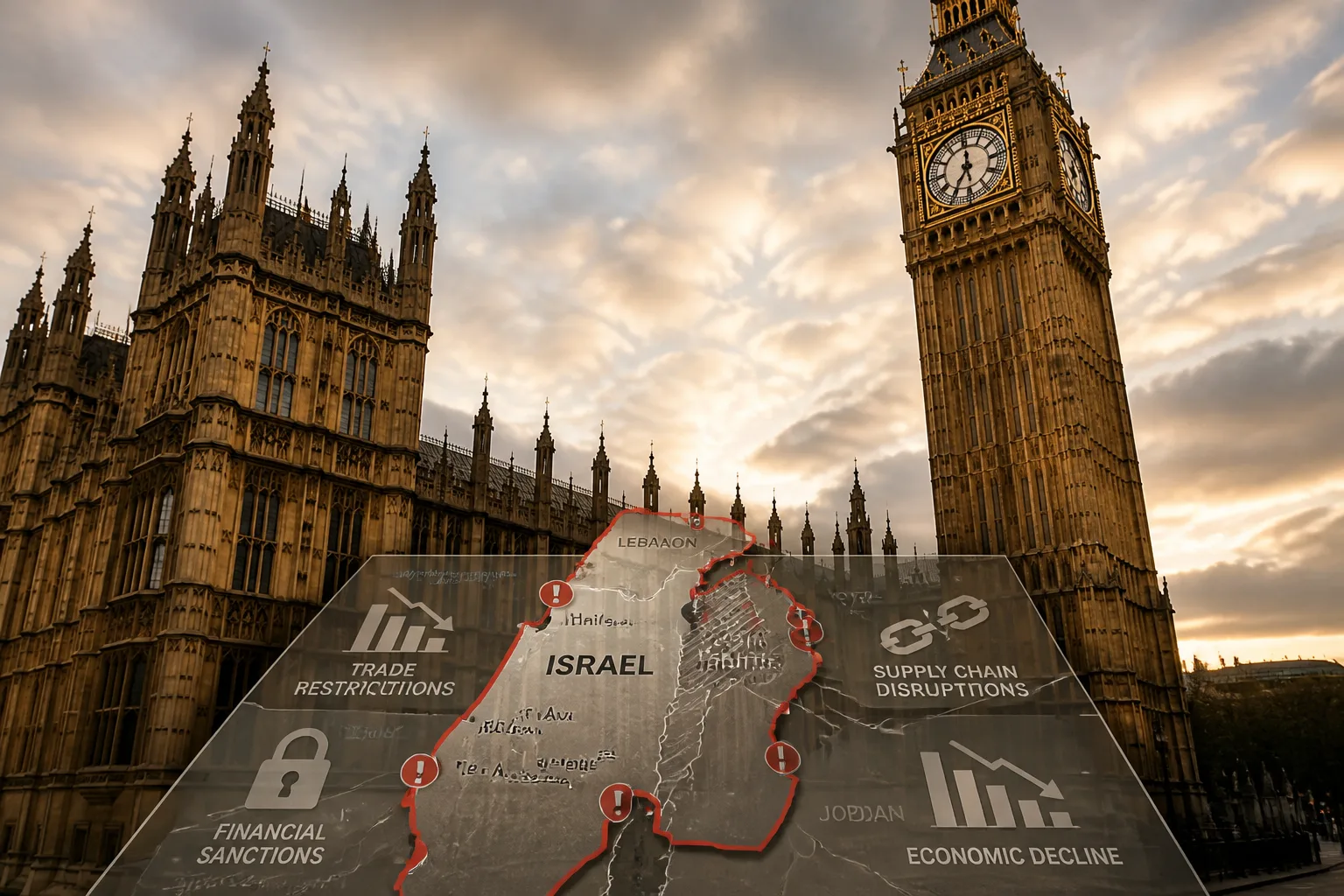
Separately, the U.S. Treasury Department lifted sanctions on three Iran‑linked firms—Fly Baghdad Airlines, Iraq Express, and a related Fly Baghdad‑linked company—following an appeal. These entities had been sanctioned in January 2024 for allegedly supporting Iran’s Revolutionary Guard and Iran‑backed armed groups across Iraq, Syria, and Lebanon. Treasury officials emphasised that the sanctions relief does not signal a broader change in U.S. policy toward the Islamic Republic.
The sanctions lift, the prospect of reopening the Strait of Hormuz, and the fresh Israeli strikes in Lebanon together illustrate the intricate nexus of regional security, energy flows, and diplomatic bargaining that shapes today’s Middle East.
Lebanon’s situation remains volatile. Although the ceasefire, largely intact since June 20, has endured repeated tests from Hezbollah rockets and Israeli counter‑strikes, the Rome negotiations seek to cement an Israeli withdrawal and Hezbollah disarmament. Yet the latest flare‑up signals that a lasting settlement remains elusive.
In the Gulf, a negotiated passage through the Strait of Hormuz could steadify oil markets, but its success hinges on U.S. policy choices and whether Iran and Oman can agree on a framework that meets international shipping demands.
Yemen’s Houthis keep maritime security at risk, and U.S. sanctions relief could alter the operational reach of Iran‑linked firms. Together, these developments expose the fragile equilibrium among conflict, diplomacy, and economic interests that defines the region today.