Saudi Arabia, Turkey, and Pakistan Sign Makkah Joint Defense Pact: A Defensive Measure Amid Regional Tensions
On 7 August 2026, the al‑Safa Palace in Mecca became the backdrop for a historic signing ceremony. Saudi Crown Prince Mohammed bin Salman, Turkish President Recep Tayyip Erdogan, and Pakistani Prime Minister Shehbaz Sharif jointly inked the Mecca Joint Defence Agreement.
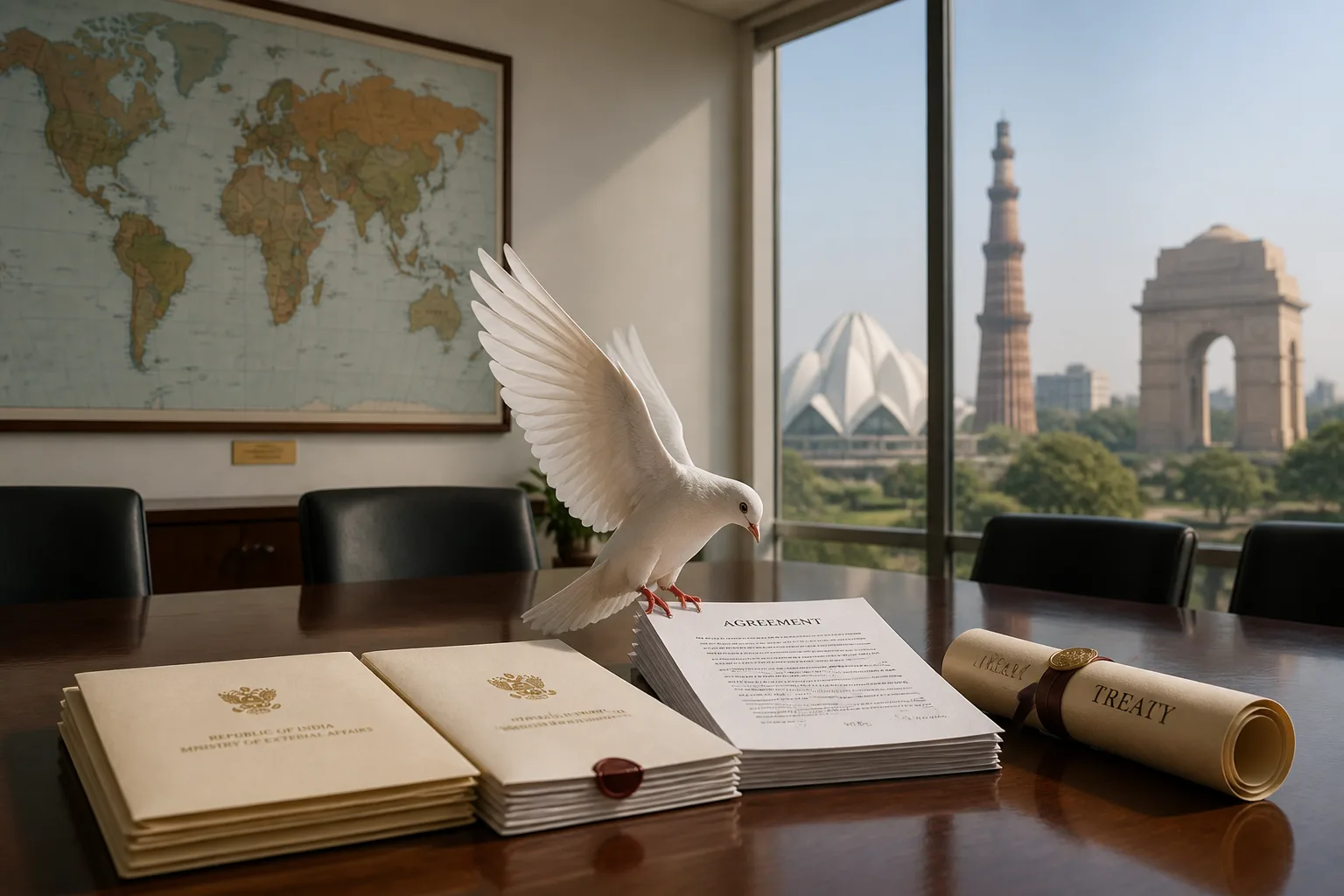
The pact, formally titled the Mecca Joint Defence Agreement, establishes a mutual‑defence framework in which an armed attack against any one of the three signatories is treated as an attack against all.
It follows the 2025 Strategic Mutual Defence Agreement between Saudi Arabia and Pakistan and comes amid the Iran war that began in February 2026 and the ongoing Saudi‑led campaign against the Houthi militia in Yemen. The signing took place during the “Makkah Al‑Mukarramah Summit for Joint Defence” at Al‑Safa Palace.
While global media dubbed the treaty the birth of an “Islamic NATO,” the text does not create a joint command, integrated air‑defence network, or shared logistics bases. The language mirrors Western alliances, yet the participating militaries operate under separate doctrines and command hierarchies.
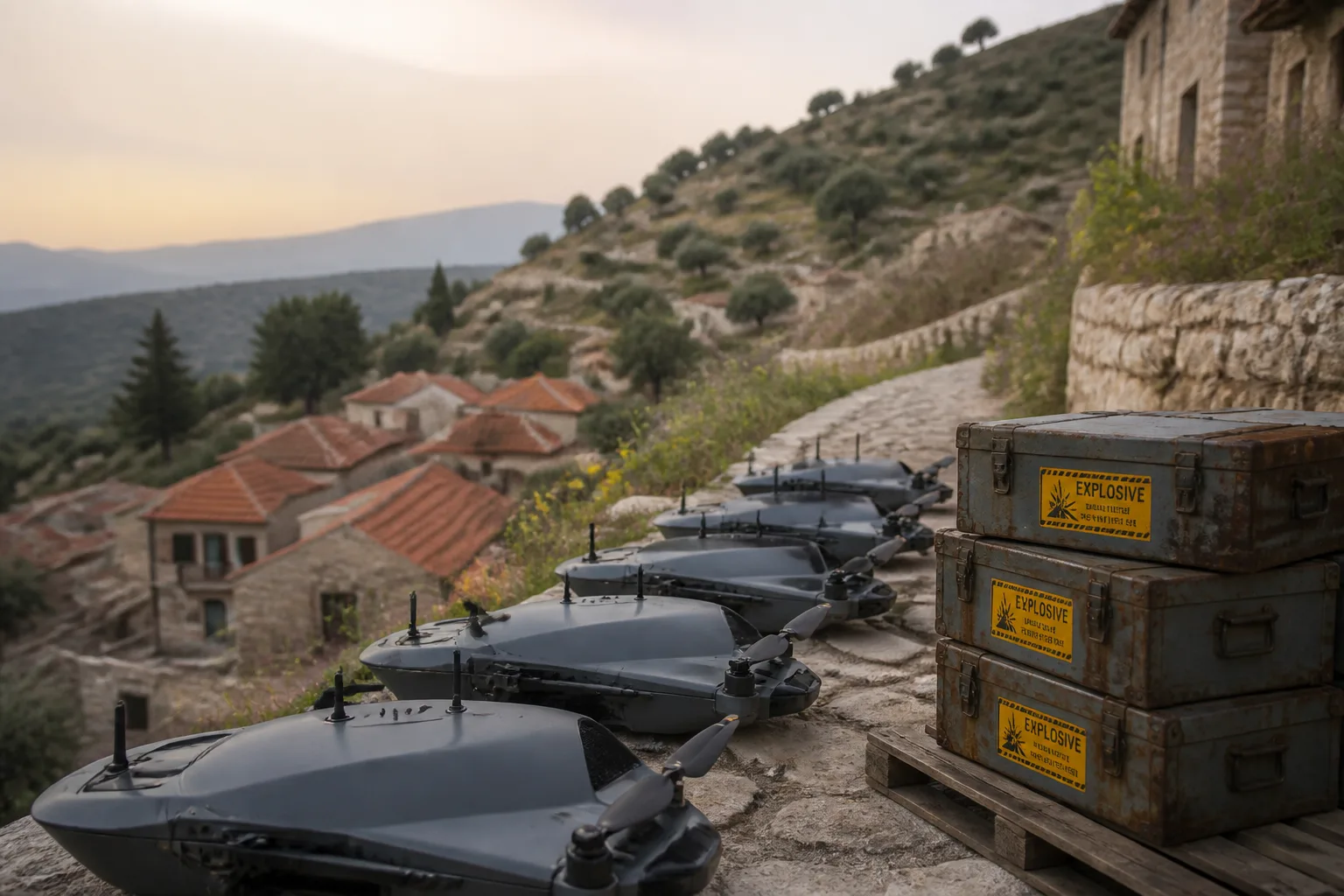
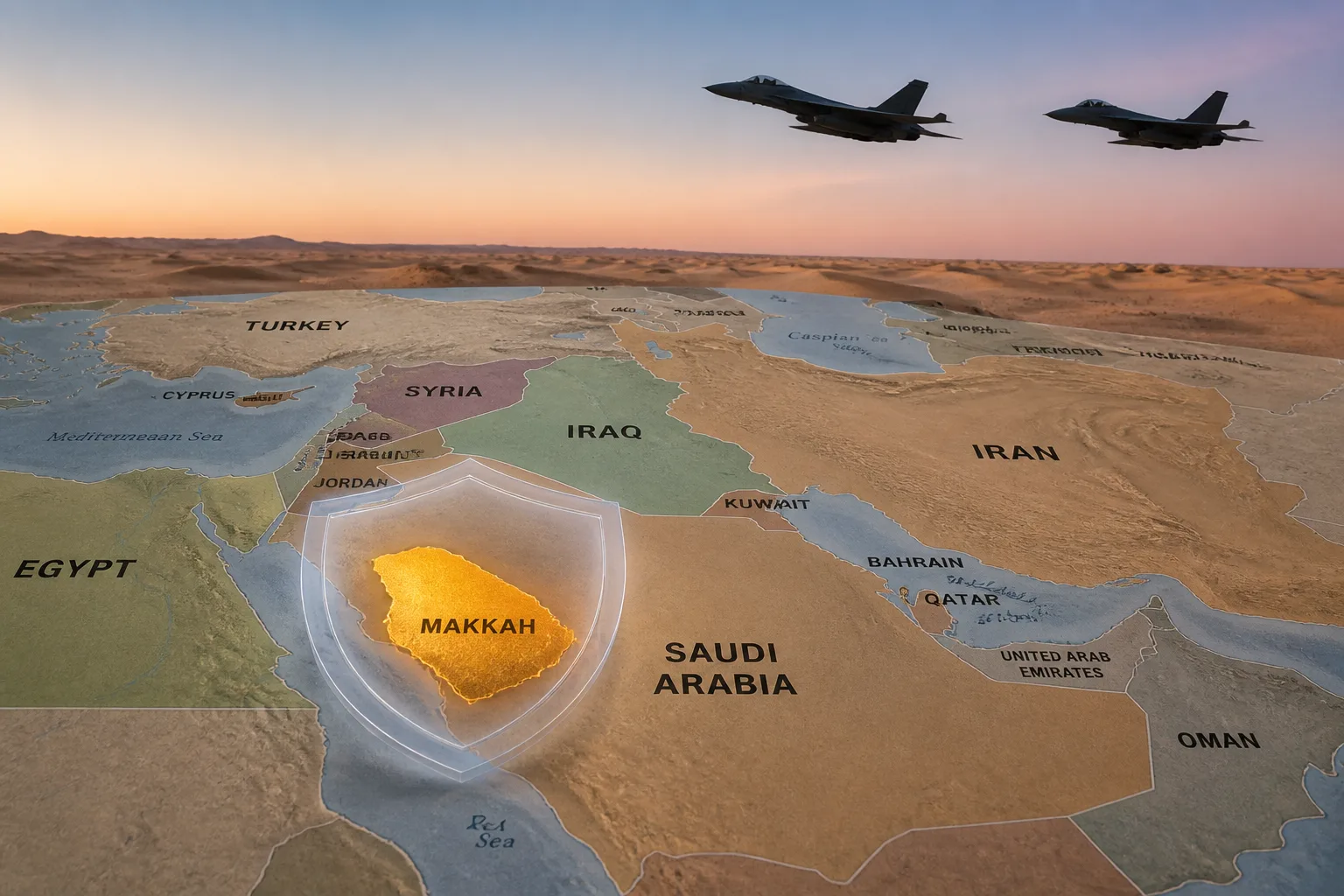
Saudi Arabia’s motivation is largely economic. Vision 2030, launched in 2016, seeks to diversify the economy away from oil and develop megaprojects such as NEOM and the Red Sea tourism corridor. The programme requires a stable security environment; an attack on Saudi infrastructure would undermine the kingdom’s economic transformation. The Makkah pact is therefore framed as a defensive shield that raises the diplomatic cost of proxy drone strikes on Saudi facilities.
Turkey’s participation is driven by commercial interests. Ankara’s defence industry, which produces advanced unmanned aerial systems and naval platforms, has been seeking export contracts in the Gulf. The Turkish Ministry of Foreign Affairs, in a statement released after the signing, highlighted the “formidable defence capabilities” of the three signatories and the potential for future cooperation. President Erdogan has repeatedly emphasized the importance of maintaining a balance of power in the region while avoiding direct confrontation with Iran.
Pakistan’s engagement reflects its economic challenges. Islamabad is grappling with high debt, inflation, and security threats along its western frontier. According to a report by Pakistan Today, the government views the Makkah agreement as a means to secure financial assistance and a potential safety net against regional instability.
Egypt’s absence from the pact is notable. President Abdel Fattah el‑Sisi was not present, and the Egyptian government declined to join. Egypt has conducted joint military exercises with Turkey, such as the Friendship Sea and Anatolian Eagle drills, but it has maintained a cautious stance toward multilateral defence commitments. The Egyptian Ministry of Defence has stated that the country’s priorities are domestic security, counter‑terrorism in Sinai, and managing spill‑over from the Sudanese conflict.
For Israel, the Makkah pact does not alter the existing security architecture. Israeli defence analysts note that Israel’s qualitative military edge is built on advanced intelligence, cyber capabilities, and air dominance, not on external treaty obligations. The Israeli Ministry of Defence has indicated that it will monitor any transfer of advanced weapons, such as unmanned aerial systems or missile‑defence components, between the three signatories.
In summary, the Makkah Joint Defence Agreement is a symbolic gesture that reflects the domestic priorities of Saudi Arabia, Turkey, and Pakistan. It does not create a unified military force, nor does it signal an offensive posture against Iran or any other state. The pact is likely to remain a diplomatic tool that enhances the perceived security of the signatories while leaving the broader regional balance largely unchanged.