US-Iran Conflict Drives Oil Market Volatility: Strait Closure, Blockades, and Rising Refined Product Prices
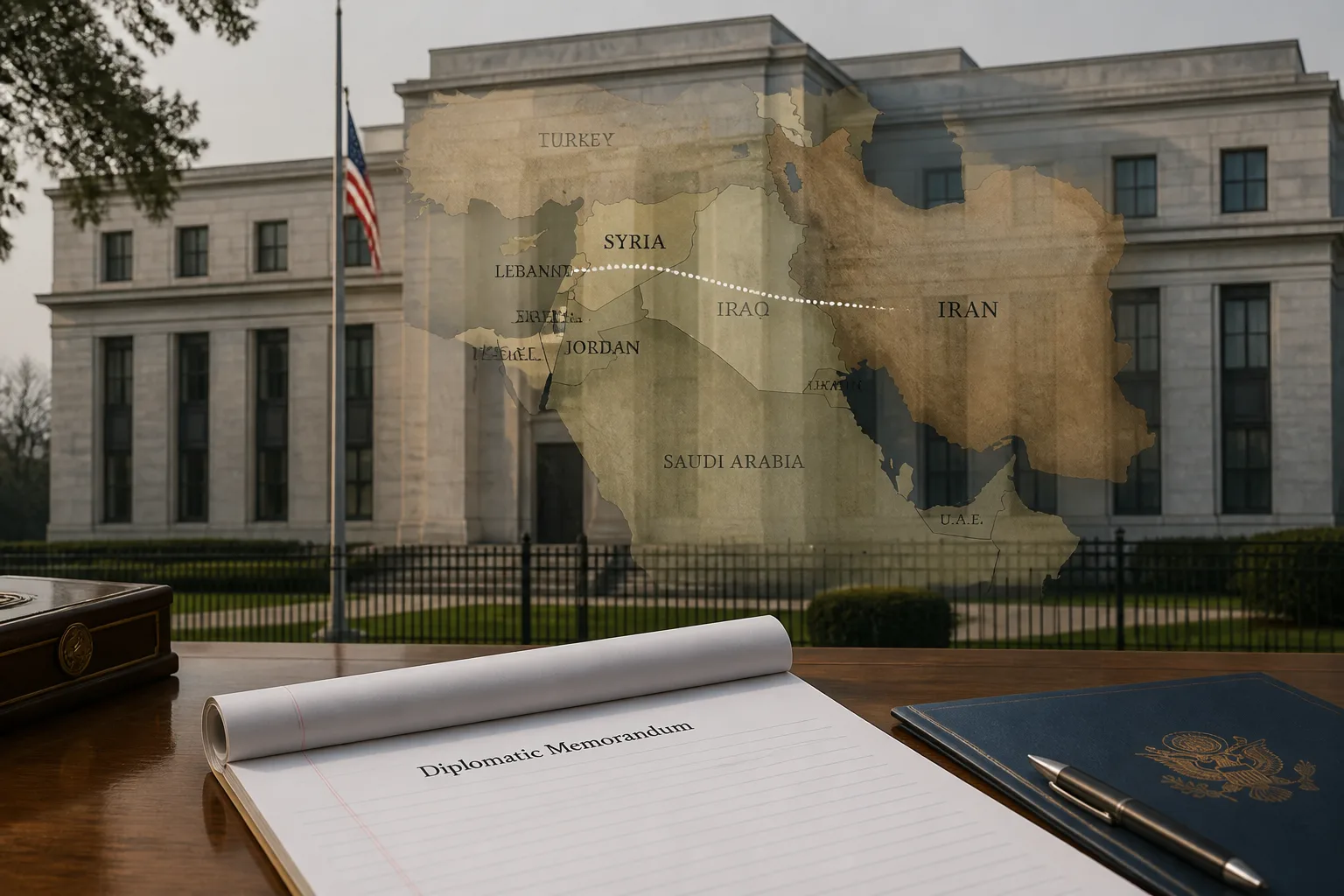
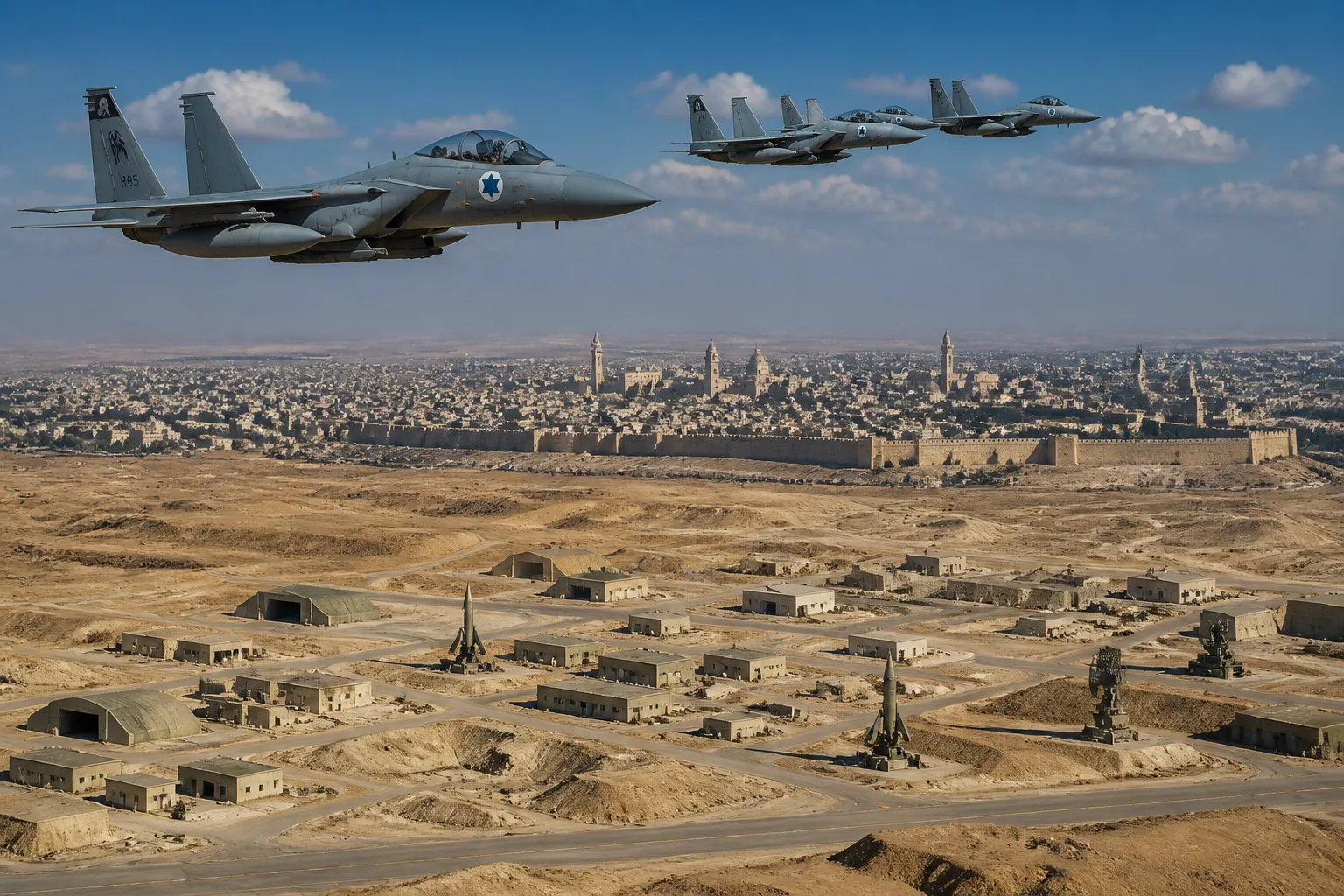
The U.S.–Iran war that erupted on 28 February 2026 has sent global oil markets spiraling into continuous turbulence. A joint U.S.–Israeli strike on Iranian targets triggered the closure of the Strait of Hormuz, a U.S. naval blockade of Iranian ports, and a string of attacks on shipping in the Red Sea by Houthi rebels. Since the fighting began, Brent crude has averaged $94 a barrel—well below the $150 a barrel some analysts warned could be reached if the Strait remained shut.
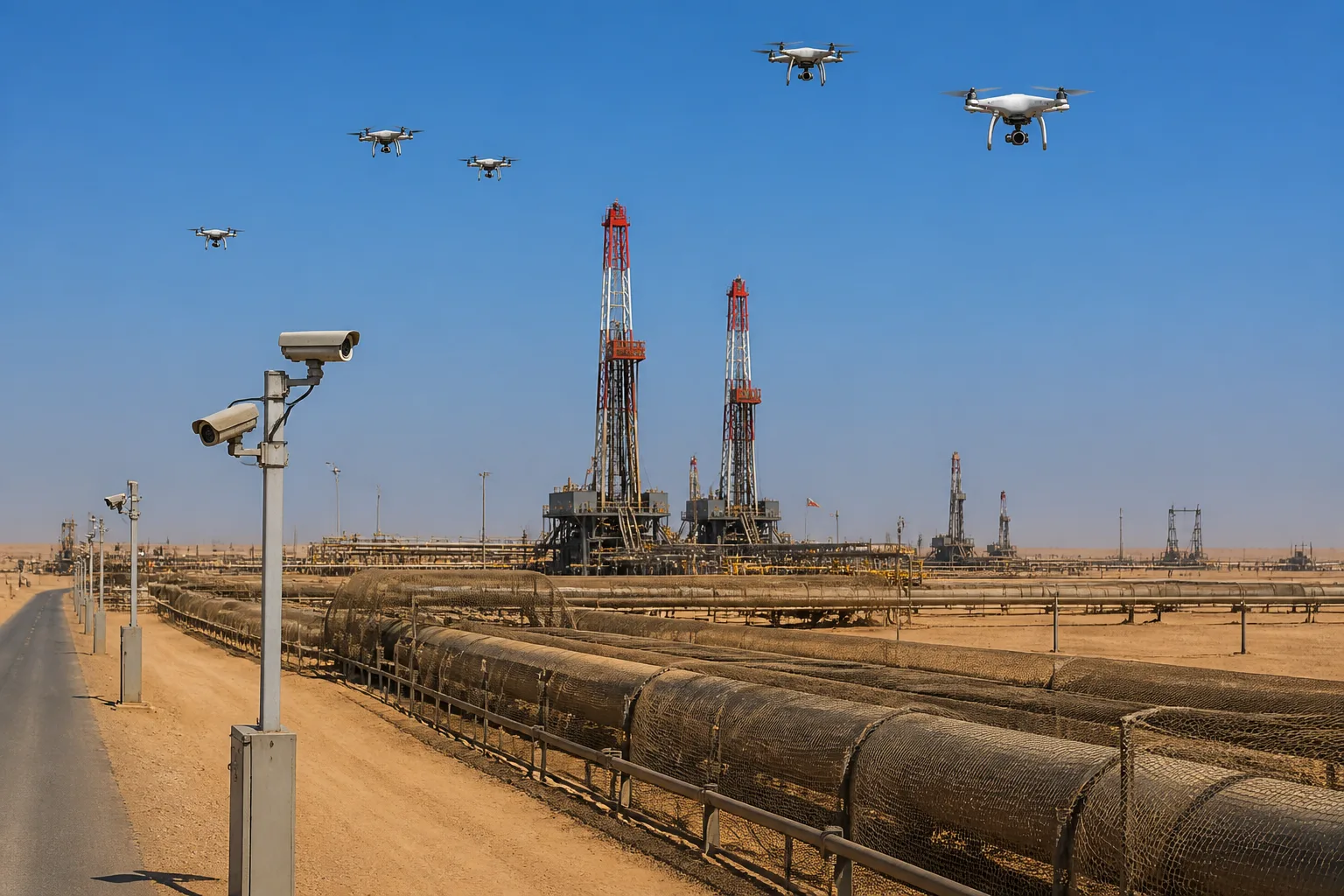
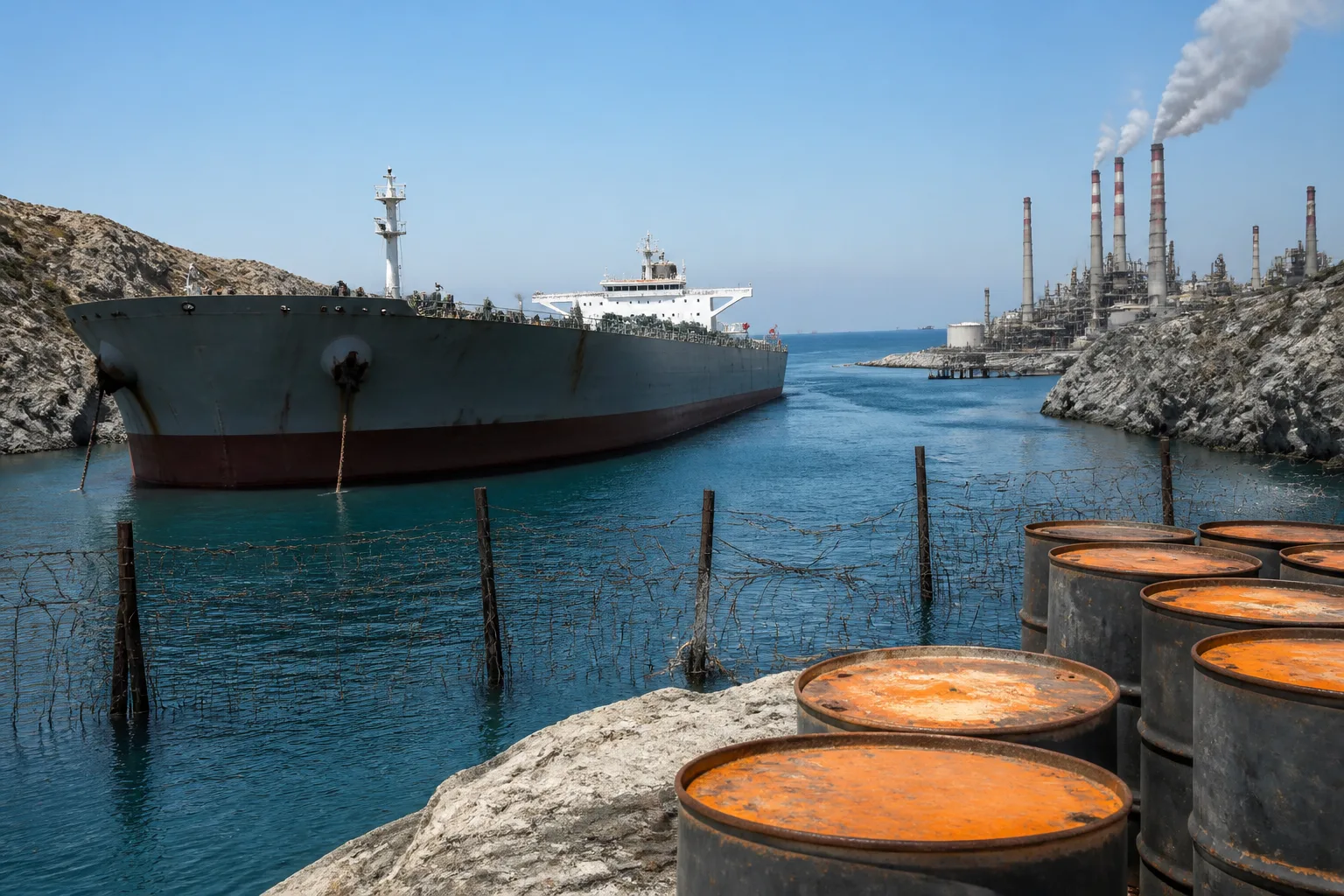
The Strait of Hormuz, the artery through which about 20 million barrels of crude a day—roughly a quarter of global demand—passes, was closed by Iranian forces in late March. JPMorgan Chase analysts estimate the shutdown cut volumes by about 12.6 million barrels per day. Jim Burkhard, head of global energy crude oil research at S&P Global, described the market’s reaction as “shocked” by the sudden curtailment, calling the closure the biggest supply disruption in history.
In response, the U.S. launched a naval blockade of Iranian ports on 13 April 2026, which was resumed on 14 July after fighting escalated again. CENTCOM forces enforce the blockade, targeting vessels transiting to or from Iranian ports. According to a UPI report, the blockade has turned away 20 vessels and is seen by officials as a key pressure tool.
The conflict also prompted a global emergency oil release. On 11 March, the International Energy Agency announced that member governments would release 400 million barrels of oil—the largest emergency stock release in history—to stabilize prices. The release targeted Asia and Oceania first, with the United States and Europe receiving supplies by the end of March.
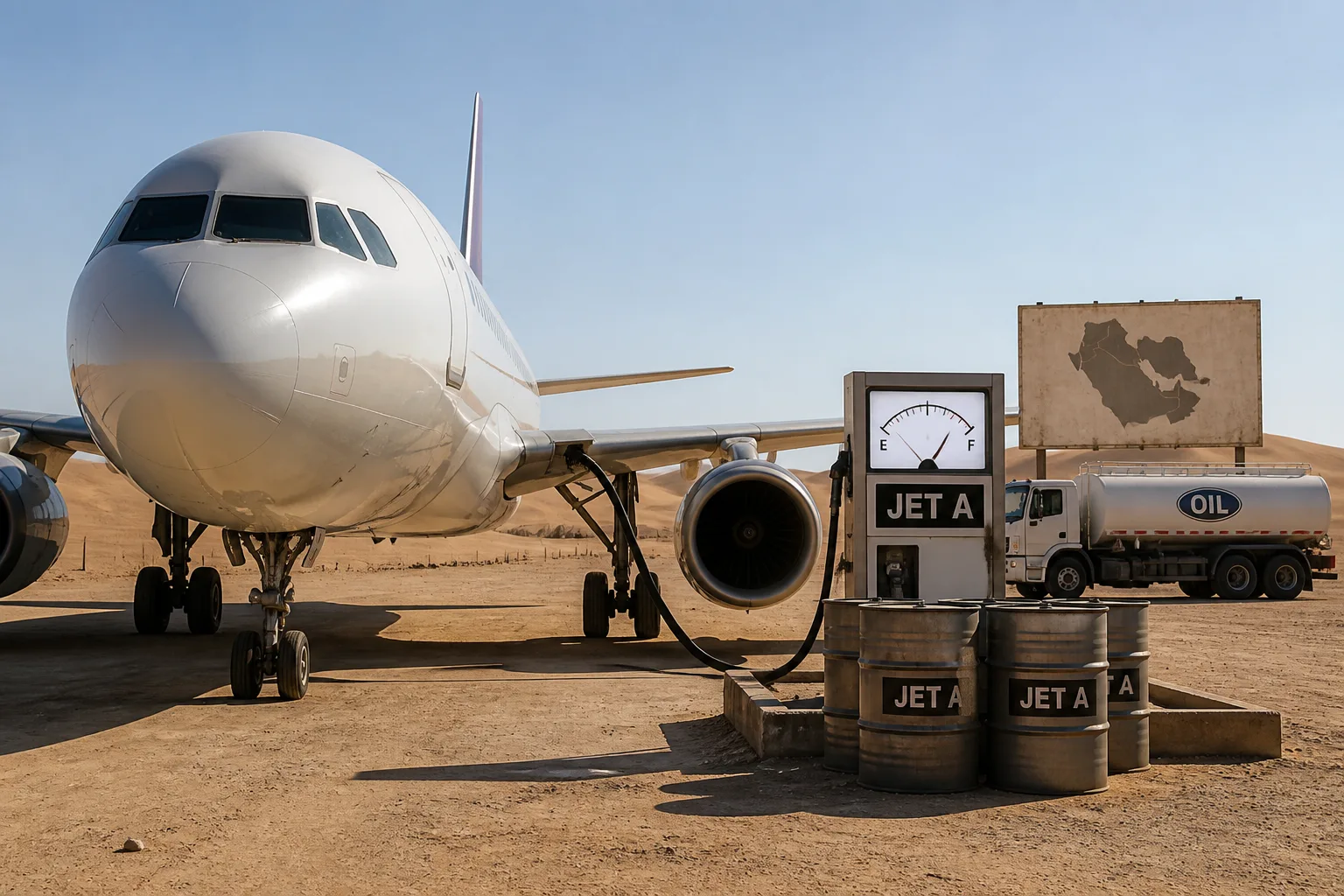
Refined product markets have felt the squeeze. Burkhard noted that “the most pressure in the world today is on refined products because there is generally enough crude oil out there right now, but there’s not enough refining capacity.” Diesel prices have doubled since February, and gasoline has risen about 50 percent. Attacks on Saudi Arabian refineries by Houthi rebels, as well as Russian refinery outages linked to the Ukraine war, have further limited refining output.
Saudi Arabia has rerouted some of its crude exports through the Red Sea to bypass the Strait, but that path has also been compromised by Houthi attacks on commercial vessels. The Red Sea crisis has reduced shipping volumes to the lowest level in months, according to Al‑Monitor.
Market reactions to U.S. leadership have been mixed. Bob McNally, president of the Rapidian Energy Group, said the market’s surprise at the Strait closure was amplified by President Donald Trump’s contradictory statements. Trump has repeatedly suggested that a deal to reopen the Strait is “within striking distance,” a stance that has kept crude prices from rising further. Treasury Secretary Scott Bessent’s optimistic comments have also pushed oil prices lower, creating risk for traders.
Refinery profit margins have surged, giving large oil companies a historic earnings windfall in the second quarter. The combination of high demand for petroleum products, limited refining capacity, and supply disruptions has kept refined product prices elevated.
In summary, the U.S.–Iran war has woven a complex web of supply disruptions, strategic blockades, and market uncertainty. The Strait of Hormuz closure, the U.S. naval blockade, the IEA emergency release, and attacks on shipping and refining infrastructure have all contributed to the current volatility in oil and refined product markets. The situation remains fluid, with ongoing diplomatic efforts and military actions shaping the trajectory of global energy supplies.