Mecca Pact, Iran War, and Regional Balancing: A Snapshot of Middle East Shifts
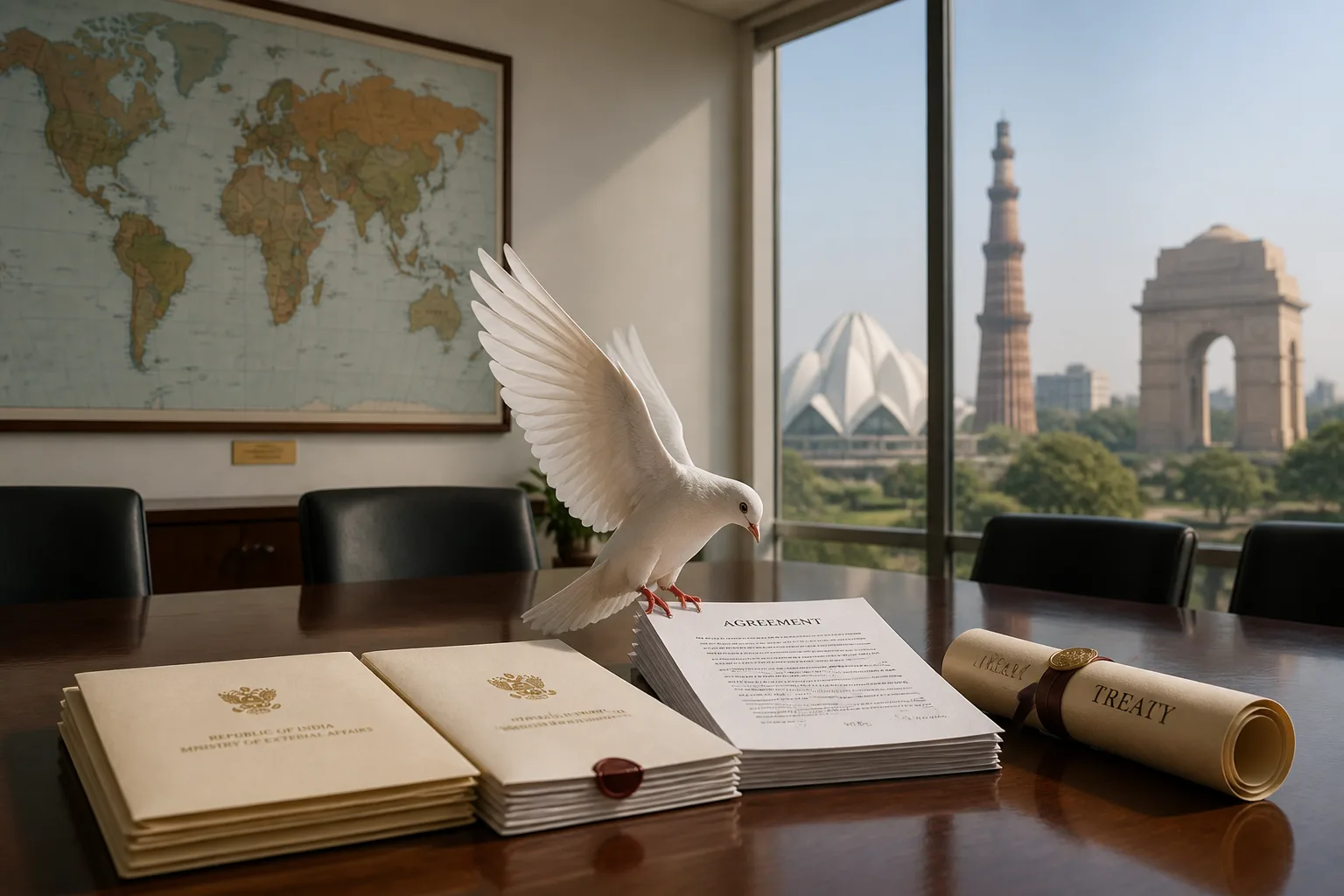
On 7 August 2026, Saudi Arabia, Turkey and Pakistan signed the Mecca Joint Defence Agreement, a trilateral pact that pledges collective security among the three states. The agreement was announced at Al‑Safa Palace in Mecca and entered into force against the backdrop of the 2026 Iran war, a conflict that began after United States and Israeli airstrikes killed Iranian officials, including Supreme Leader Ali Khamenei.
The pact mirrors Article 5 of NATO: any armed attack against one signatory is treated as an attack against all. Saudi Arabia is expected to finance defence projects, Turkey to supply advanced technology and Pakistan to contribute personnel. Analysts note that the agreement does not extend Pakistan’s nuclear deterrent to the other two countries, but it marks the first institutional security arrangement of its kind in the region.
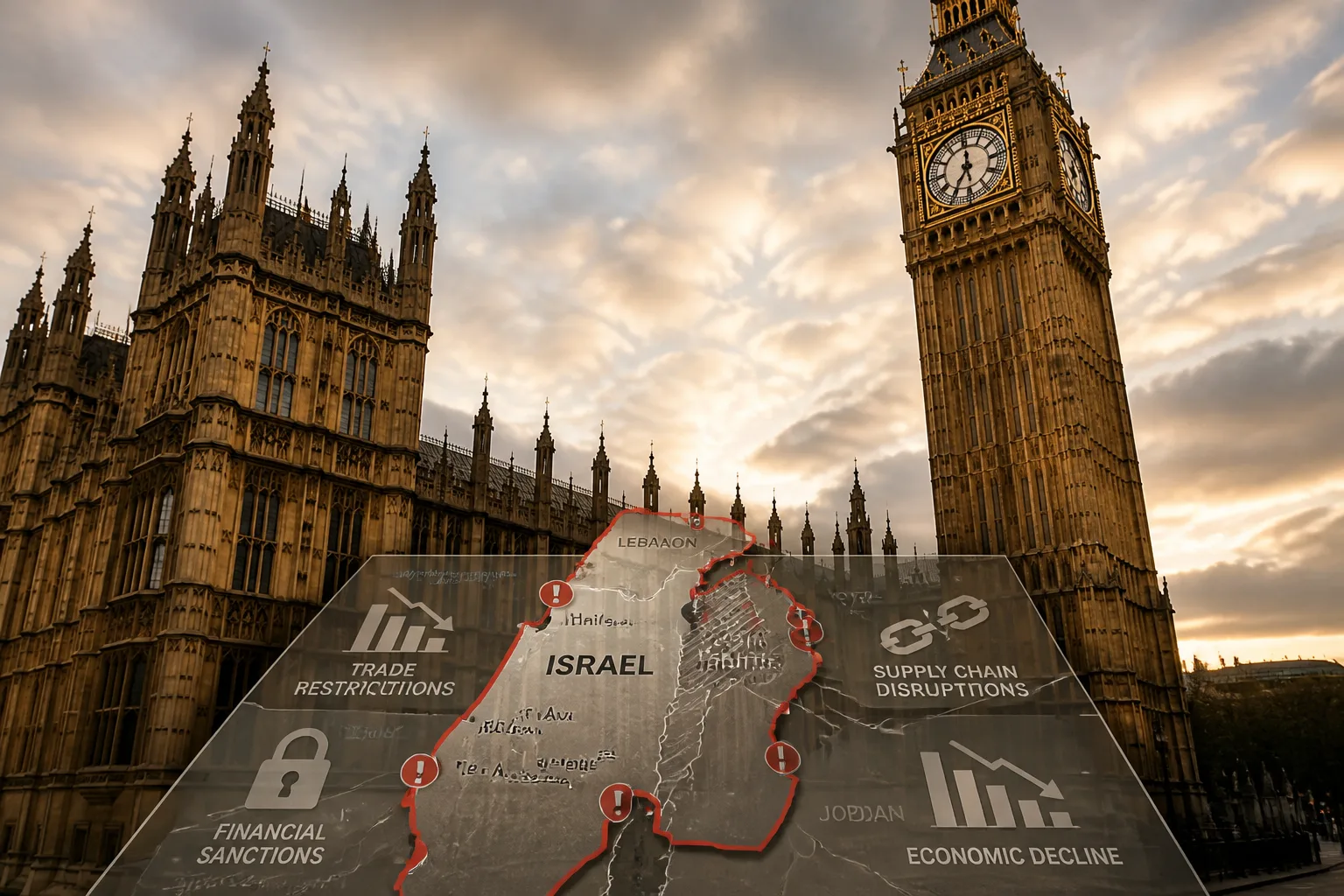
The Iran war has reshaped regional dynamics. Since 28 February 2026, the United States and Israel have been fighting Iran and its allies. Iranian forces have launched missile and drone attacks against Israel, U.S. bases in the Gulf, and U.S.‑aligned Arab states. In retaliation, the U.S. and Israel have struck Iranian military and nuclear facilities. The conflict has disrupted global oil supplies, increased insurance premiums for shipping through the Strait of Hormuz and prompted a temporary U.S. naval blockade of Iran.
The podcast Facing the Middle East unpacked the pact’s significance and its wider context. Professor Pejman Bijan, an Italian‑Iranian scholar, explained the agreement as part of a broader contest over the future of the Middle East, contrasting it with the Abraham Accords, the India‑Middle East‑Europe Economic Corridor and the possibility of a post‑regime Iran joining a more commercially integrated order.
Other segments of the episode highlighted Afghanistan and Azerbaijan. Former television anchor Tahmina Usmani, now in Paris, recounted the restrictions imposed on women journalists after the Taliban returned to power in 2021, noting that female reporters were required to cover their faces on air and faced censorship. Usmani left Afghanistan after her coverage was curtailed and expressed hope that Afghan women will one day work and live freely.
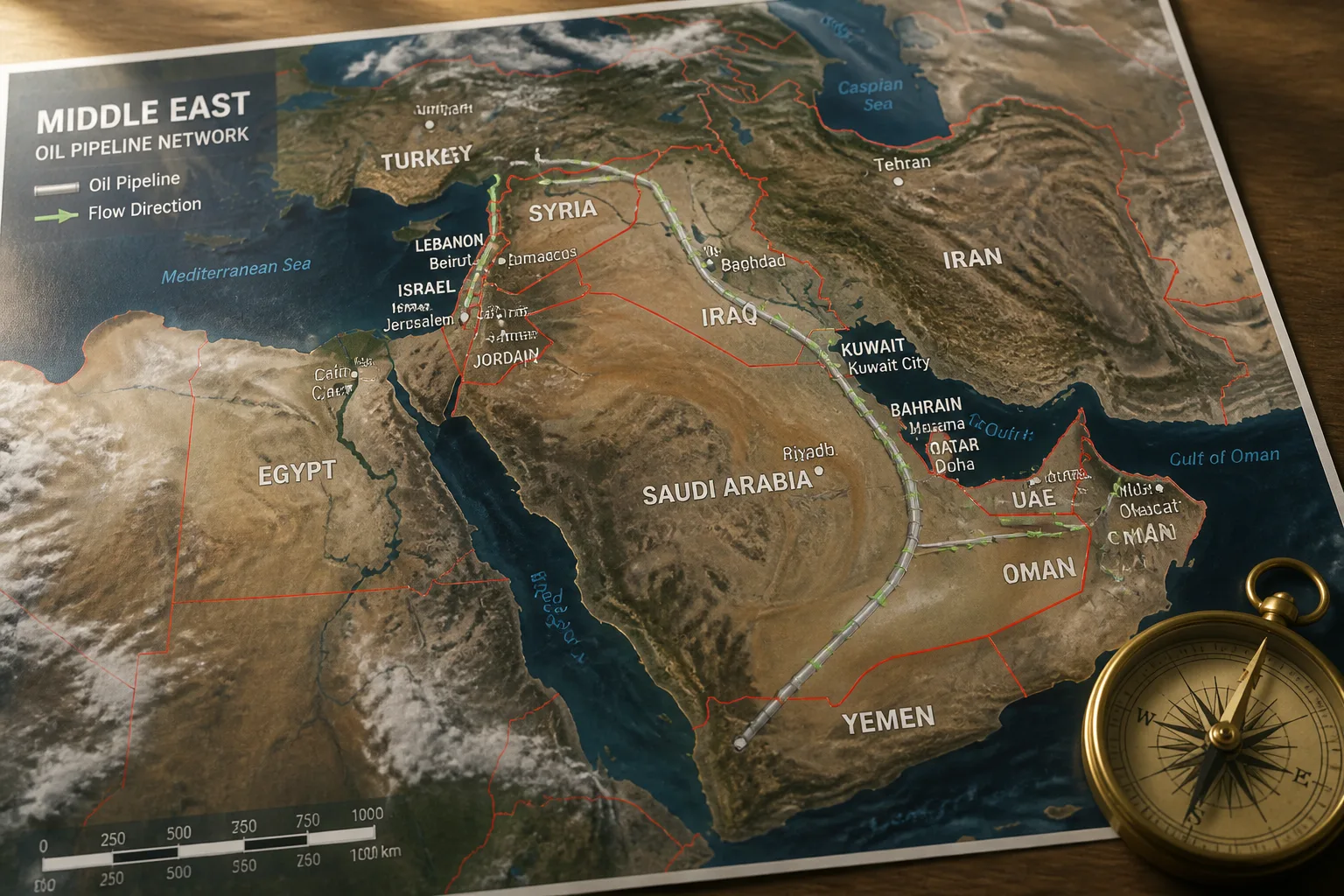
Azerbaijan’s diplomatic balancing act was also examined. A delegation of Muslim professionals from Azerbaijan and Kazakhstan visited Israel, while Azerbaijani researchers and policy specialists discussed Baku’s efforts to maintain ties with Israel, Turkey, Arab states, Russia and Iran. They highlighted security concerns over Iran and the importance of the Baku‑Tbilisi‑Ceyhan pipeline, a key energy corridor that links Caspian oil to the Mediterranean.
These developments reflect a broader shift in Gulf politics. Islamabad’s growing partnership with Saudi Arabia and Turkey, combined with its close ties to China, has reduced Qatar’s centrality and complicated Western influence in the Gulf. The podcast noted that Washington’s approach to Iran, shaped by the Trump administration, was seen as too slow for Iranian opponents of the regime.
The episode also referenced the Abraham Accords, agreements that began in 2020 and have since expanded to include several Arab states and, more recently, Kazakhstan. The accords formalised economic, diplomatic and security cooperation between Israel and its neighbours, and they have been cited as a model for regional integration.
In parallel, the India‑Middle East‑Europe Economic Corridor (IMEC) has been promoted as a new trade route linking India to Europe through the UAE, Saudi Arabia, Israel and Greece. The corridor is intended to enhance connectivity and economic integration across Asia, the Persian Gulf and Europe.
The Mecca pact, the Iran war, Afghanistan’s media restrictions and Azerbaijan’s balancing act illustrate how national choices are being reshaped by rapid geopolitical changes. Each development reflects a different facet of the region’s evolving security architecture, economic ambitions and social challenges.
As the war continues, the trilateral defence agreement remains a key element of the new security landscape. Its effectiveness will depend on the willingness of the signatories to coordinate responses to regional threats and on the broader international community’s ability to manage the fallout from the Iran conflict.
The situation in Afghanistan and Azerbaijan highlights the ongoing human and diplomatic ramifications of regional power shifts. While the Mecca pact signals a new institutional framework, the broader context of the Iran war, the Abraham Accords and the IMEC corridor underscores the complexity of Middle Eastern geopolitics in 2026.