UK Prime Minister and US President Discuss Ukraine, Middle East, and Energy Security in Phone Call
On Monday, September 7 2026, British Prime Minister Andy Burnham and U.S. President Donald Trump connected by phone to address the Ukraine war, Middle‑East tensions, and global energy security.
The conversation unfolded on the same day the United States released its latest employment data, showing a rise in jobs. Burnham congratulated Trump on the figures and, in a statement from the Prime Minister’s office, highlighted positive signs of growth in the United Kingdom’s economy. The statement added that the government was “building more positivity about the UK and that he was making progress, but with more still to do.”
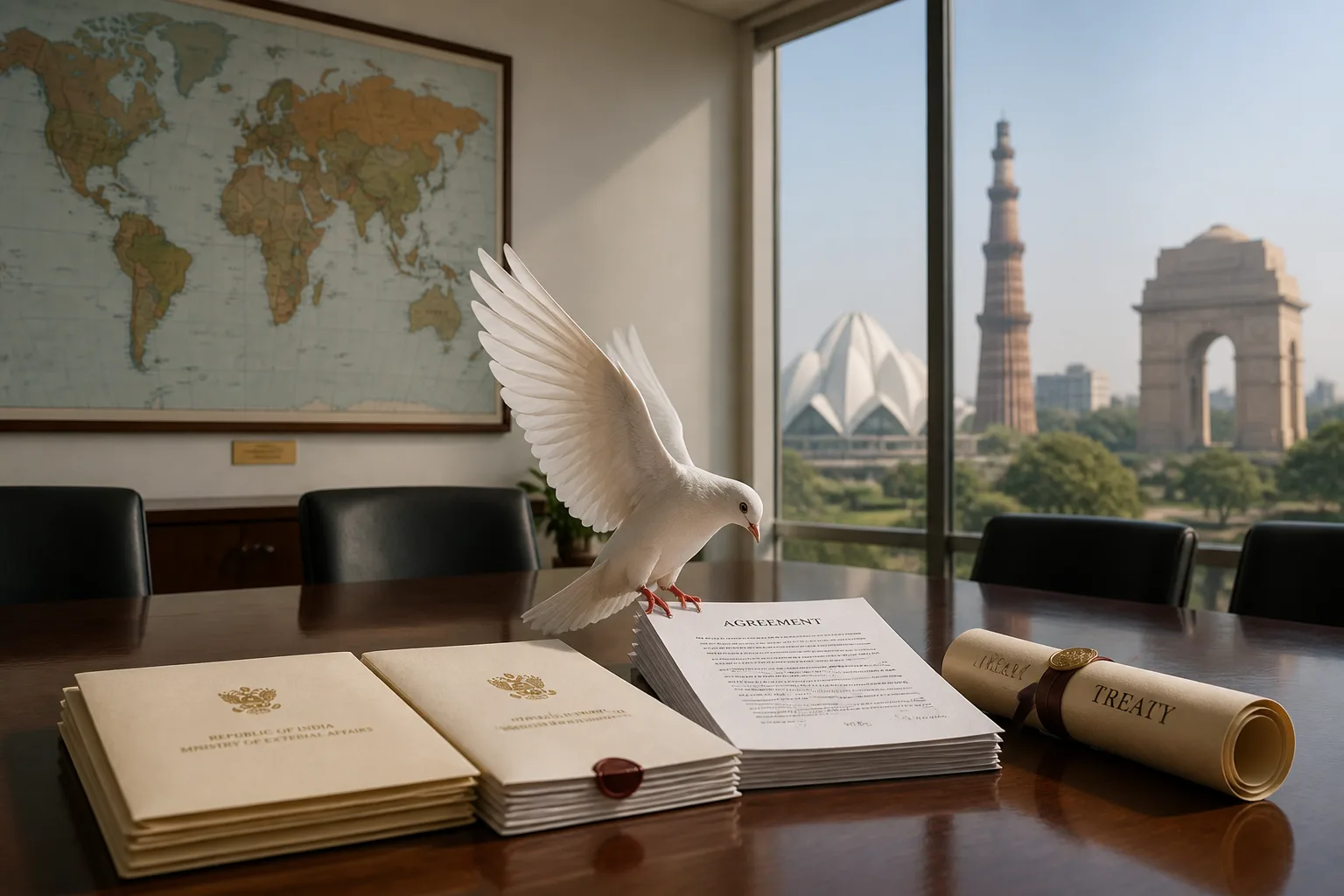
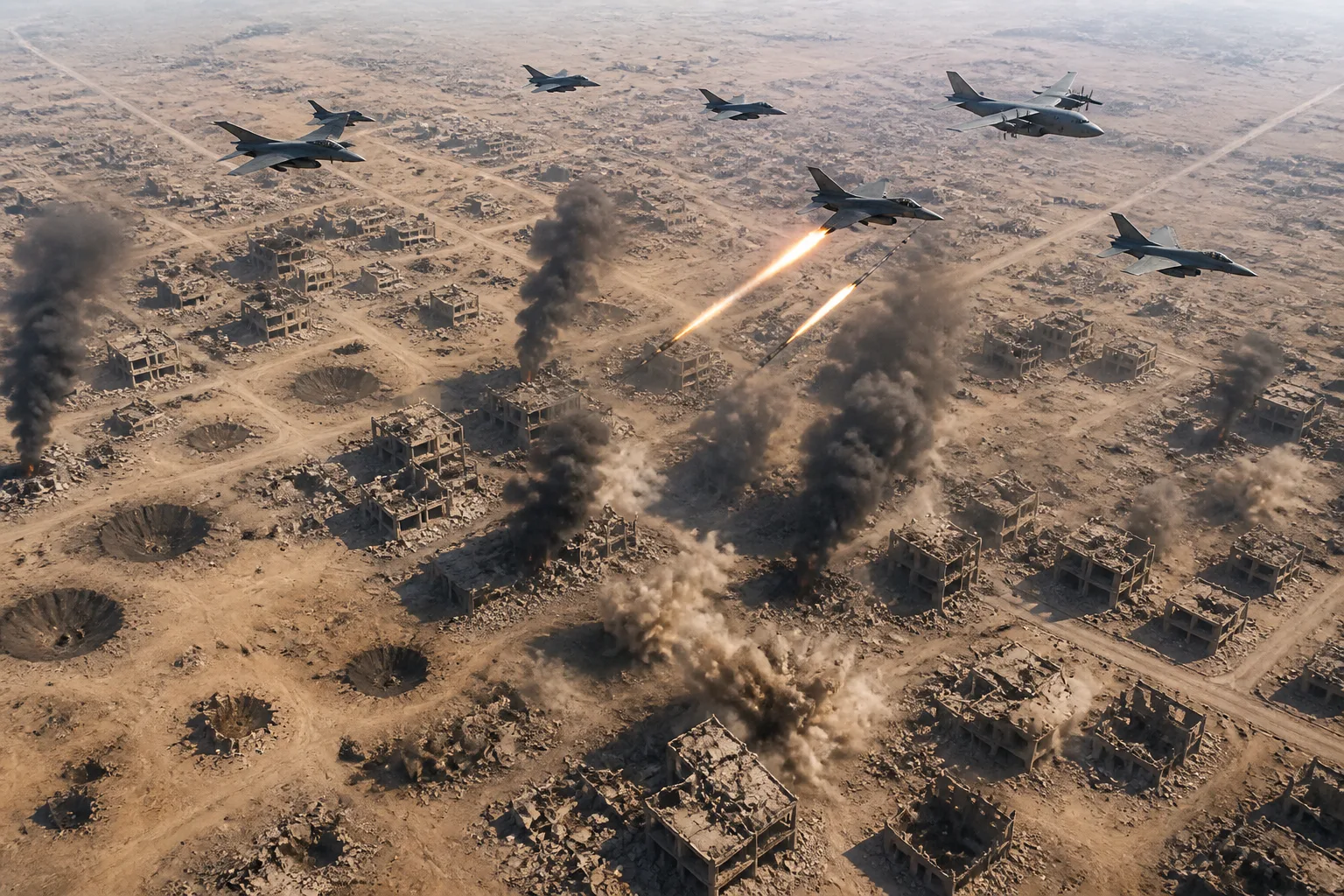
When the topic turned to Ukraine, both leaders reaffirmed their commitment to a ceasefire that would curb further loss of life. Burnham reiterated Britain’s support for Ukraine and for recent U.S.–led peace negotiations. While the call did not spell out specific ceasefire terms, it confirmed that a negotiated settlement is viewed as essential by both sides.
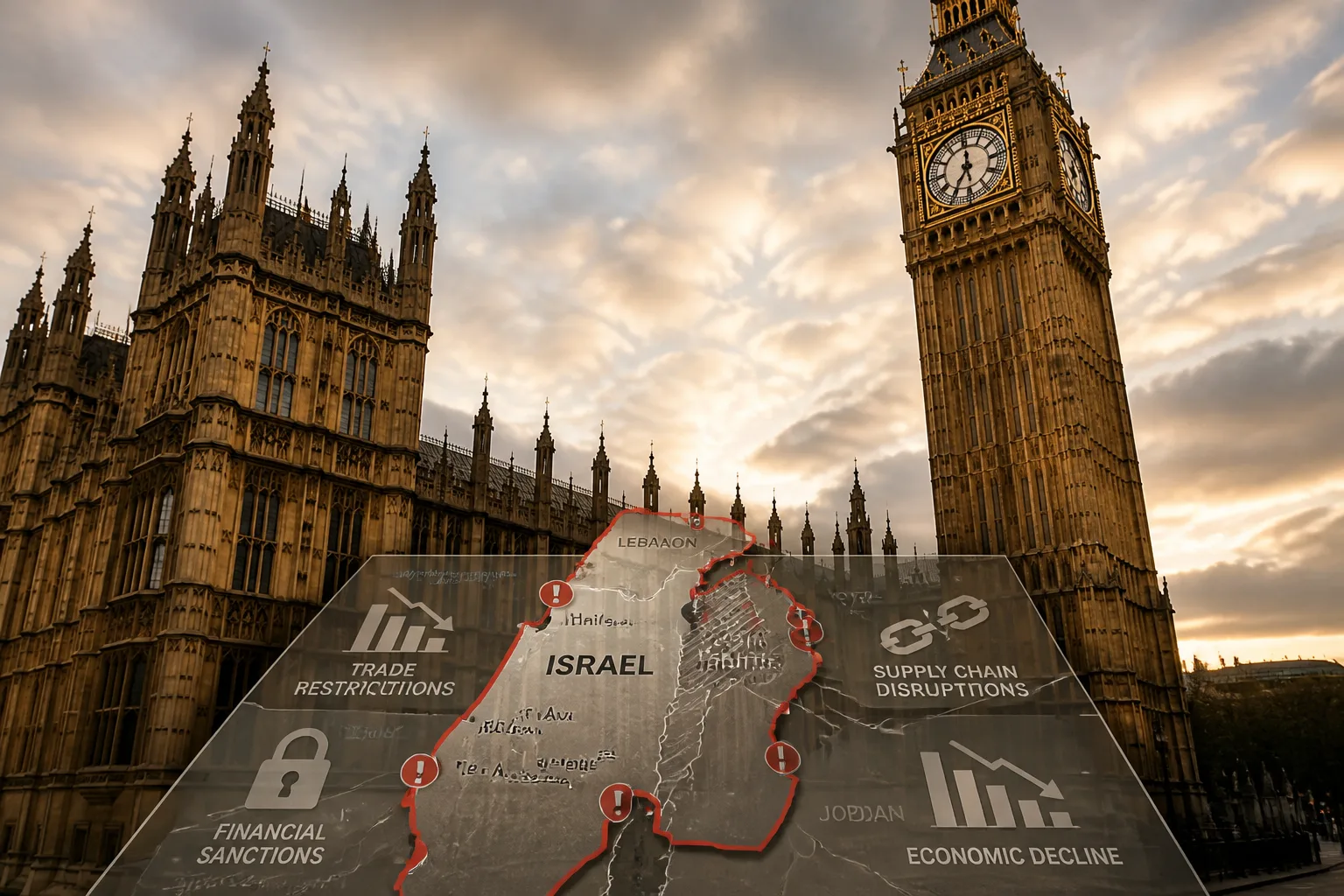
In the Middle East, Burnham outlined the UK’s broader diplomatic agenda. He stressed the importance of a two‑state solution for Palestinians and Israelis, the reopening of the Strait of Hormuz, and “ensuring that Iran never acquires a nuclear weapon,” according to the statement. These points echo long‑standing UK policy on the Israeli‑Palestinian conflict and on energy security in the Persian Gulf.
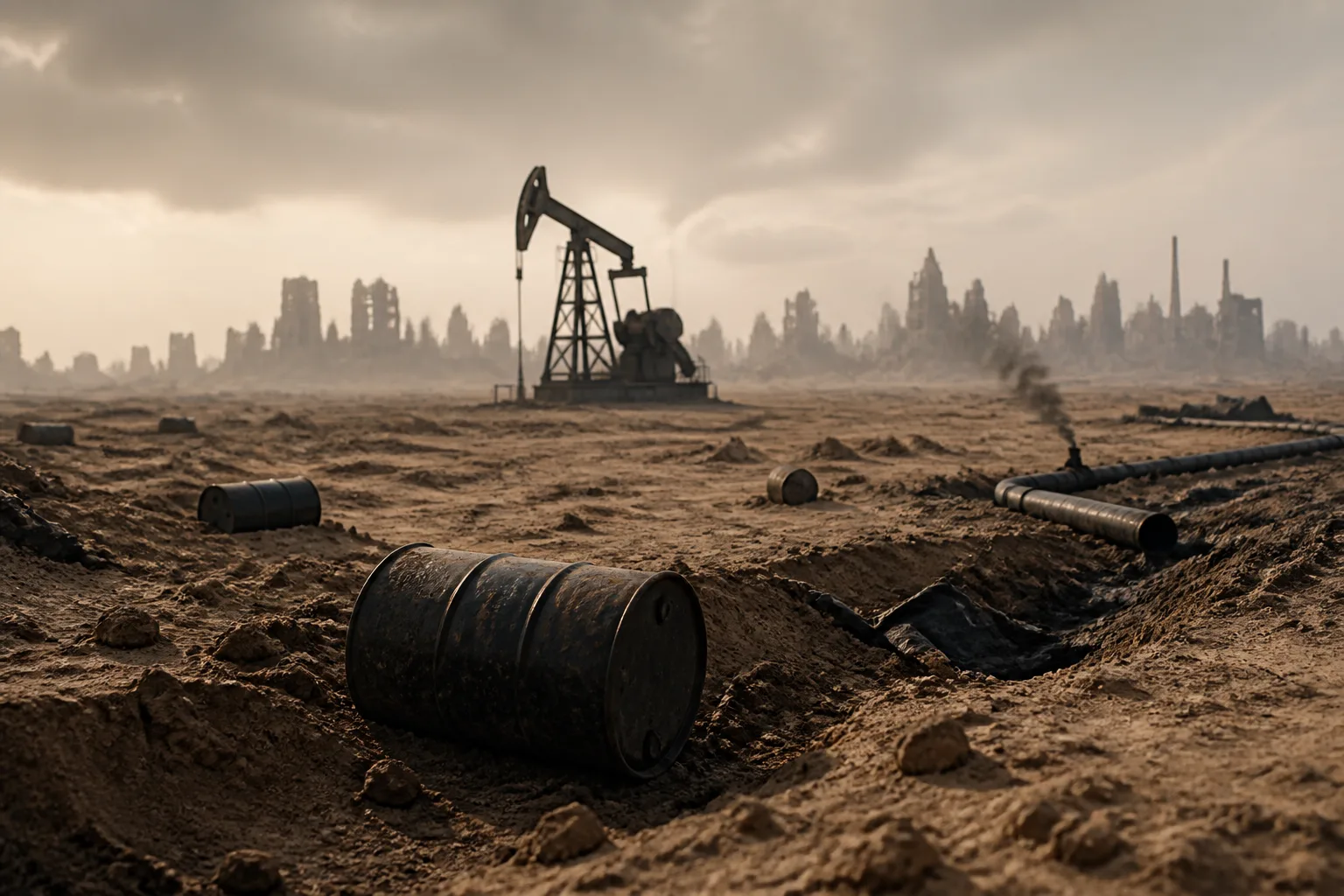
The Strait of Hormuz is a critical chokepoint through which a large share of the world’s oil passes. Any disruption could trigger global economic repercussions. By calling for its reopening, Burnham signaled the UK’s interest in maintaining free navigation and stable energy markets.
Iran’s nuclear program remains a key concern for the United States and its allies. The reference to preventing Iran from acquiring a nuclear weapon aligns with U.S. policy that seeks to limit Iran’s military capabilities.
Burnham’s remarks come after his election as Prime Minister in July 2026, following the resignation of former Prime Minister Keir Starmer. He has positioned himself as a pro‑Ukraine and pro‑energy‑security leader. Trump, who began his second term in January 2025, has pursued an assertive foreign‑policy agenda, including a hard‑line stance on Iran.
The conversation underscores the continued alignment between the UK and the United States on several strategic priorities. Both leaders highlighted the importance of diplomatic solutions to the Ukraine war and reaffirmed support for a negotiated settlement. In the Middle East, the UK’s emphasis on a two‑state solution and on preventing Iranian nuclear development reflects its long‑standing diplomatic framework.
The call also signals the UK’s willingness to engage on energy security issues that affect global markets. By advocating for the reopening of the Strait of Hormuz, the UK is positioning itself as a stabilising actor in the Gulf region.
At present, the UK and the United States have not announced any new joint initiatives beyond the statements made during the call. The next steps will likely involve continued diplomatic engagement in Ukraine and the Middle East, as well as monitoring of U.S. employment data and UK economic indicators.
The conversation illustrates the ongoing partnership between the United Kingdom and the United States on key international security and economic issues, while reaffirming each country’s commitment to diplomatic solutions and energy stability.