Houthis Launch Drone and Missile Attacks on Saudi Southern Cities, Wounding 73 Civilians
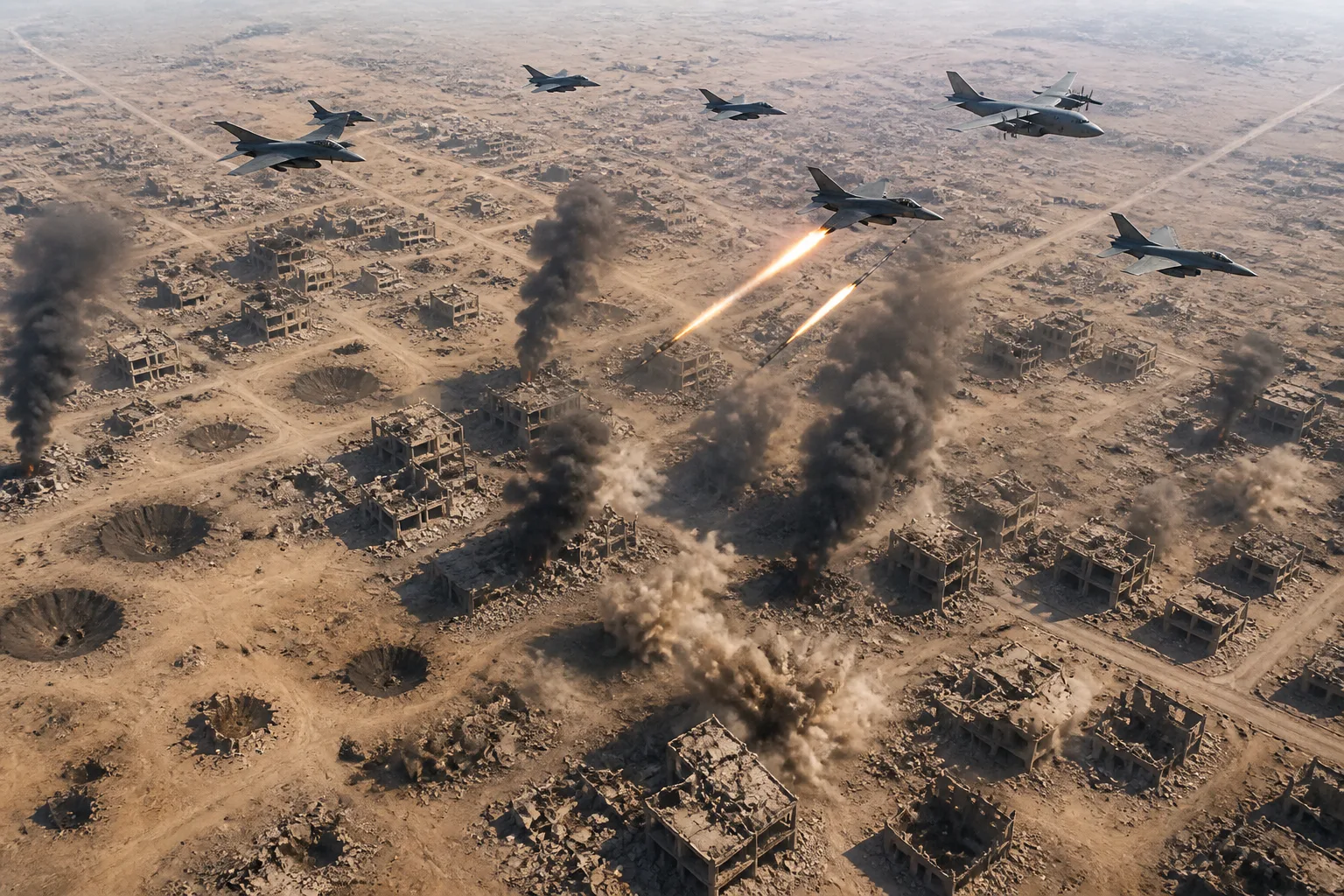
On 8 September 2026, Yemen’s Iran‑backed Houthi movement unleashed a coordinated volley of ballistic missiles and drones that struck four southern Saudi cities—Abha, Khamis Mushait, Jazan and Najran—and damaged several energy installations, leaving 73 civilians, including women and children, wounded.
The next day, the Saudi‑led Coalition to Support Legitimacy in Yemen condemned the assault. Maj. Gen. Turki Al‑Malki, the coalition’s spokesperson, said the strikes deliberately targeted civilian and economic sites, calling the escalation a “dangerous escalation that confirms the hostile and irresponsible approach of this terrorist militia.” He added that the attacks “deliberately harm the Kingdom’s national resources, facilities and civilian sites” and that the coalition’s Joint Forces Command would take “all necessary measures to respond to the sources of the threat and neutralise its danger.”
In its statement, the coalition described the Houthis’ use of ballistic missiles and drones to hit the cities and energy facilities as a “blatant violation” of Saudi sovereignty and a direct threat to the security of the kingdom’s citizens and residents.
The incidents broke a brief lull that had begun with the 2022 ceasefire between the Saudi‑led coalition and Houthi forces. The truce, which had largely halted fighting in Yemen, collapsed in late August 2026 when the Houthis resumed attacks on Saudi territory and threatened shipping at the mouth of the Red Sea. The renewed hostilities have heightened concerns about the stability of the region’s critical energy infrastructure.
Saudi Arabia’s Ministry of Interior reported that the missiles struck Jazan, a key oil‑refinery hub, and that the drones hit the airbase at Khamis Mushait, home to the King Khalid Air Base. The damaged energy facilities belong to the kingdom’s southern oil and gas network, which supplies a significant portion of domestic consumption.
The attacks drew swift condemnation from Saudi Arabia’s regional allies. A CNN report noted that Egypt described the barrage as a “dangerous escalation,” while Jordan and the United Arab Emirates said the strikes violated Saudi sovereignty. The United Nations has imposed a global arms embargo on the Houthis, and the coalition’s actions are framed as a response to that violation.
The Houthi movement, officially known as Ansar Allah, has been fighting the Saudi‑led coalition since 2015. Backed by Iran and designated by many states as a terrorist organization, the coalition’s statement that the attacks “confirm the hostile and irresponsible approach of this terrorist militia” echoes the broader narrative that the Houthis’ actions undermine regional stability.
The coalition’s Joint Forces Command has pledged to protect Saudi sovereignty and national assets and to safeguard civilians from further attacks. The spokesperson said the response would be “responsible” and aimed at neutralising the threat.
The assaults also expose the vulnerability of Saudi Arabia’s southern provinces, which border Yemen and have historically been the focus of Houthi operations. The targeted cities—Abha, Khamis Mushait, Jazan and Najran—are major population centres and economic hubs. Damage to energy facilities could ripple through the kingdom’s oil production and supply chains, potentially affecting domestic fuel availability and export schedules.
In a broader context, the renewed conflict threatens to disrupt shipping lanes in the Red Sea, a vital artery for global trade. The Houthis have previously threatened to attack tankers that use Saudi ports, and the current attacks may signal a broader strategy to pressure Saudi Arabia and its allies.
The coalition’s condemnation and pledge to respond come as it continues airstrikes against Houthi positions in Yemen. The coalition’s actions are part of a long‑running effort to restore the internationally recognised government of Yemen and to counter what it describes as Houthi aggression.
The attacks underscore the fragility of the ceasefire that had been in place since 2022 and raise questions about the prospects for a lasting resolution to the Yemen conflict. The coalition’s statement that it will take “all necessary measures” signals readiness to intensify military operations if further attacks occur.
The situation remains fluid, and further developments are expected as the coalition and the Houthis navigate the escalating tensions in the region.